
King Charles III Faces Stark NYC Welcome After Congressional Praise

UK monarch receives mixed reception during US visit as NYC mayor refuses meeting over disputed 106-carat Indian diamond seized in 1849.
The state visit of King Charles III to the United States has delivered a fascinating study in contrasts, showcasing both the ceremonial grandeur of international diplomacy and the growing calls for accountability regarding historical injustices. What began as a triumphant week of accolades and formal recognition has taken an unexpected turn, revealing deep divisions over colonial-era acquisitions and their rightful ownership.
Just days into his American tour, the British monarch experienced the full spectrum of official reception. He was welcomed with elaborate state dinners featuring gourmet cuisine served on golden plates, received standing ovations from members of Congress, and delivered a carefully crafted address that resonated with lawmakers and dignitaries across the political spectrum. The US president personally overseen the ceremonial aspects of his visit, underscoring the historically close relationship between the two nations and their shared democratic traditions.
However, beneath the surface of this royal pageantry, a more contentious narrative was unfolding. The arrival of King Charles in New York City prompted unexpected resistance from political leaders who view the monarchy not merely as a constitutional figurehead, but as a symbol of historical colonial exploitation. This friction represents a significant departure from the traditional diplomatic silence that typically characterizes such high-profile state visits.
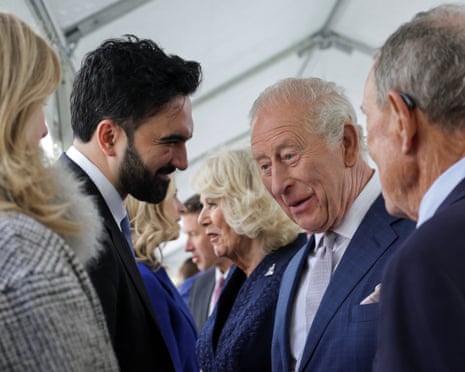
Zohran Mamdani, a prominent New York City official, made headlines by publicly declining to participate in any official meetings with the visiting monarch. His refusal was not merely procedural—it carried symbolic weight rooted in specific historical grievances. Mamdani's decision illuminated ongoing tensions regarding artifacts and valuables that were extracted from colonized nations during periods of British imperial dominance, issues that have increasingly moved from academic circles into mainstream political discourse.
At the heart of Mamdani's objection lies the 106-carat Indian diamond, a gemstone with a complicated and contested history. The diamond in question was allegedly taken by British colonial authorities in 1849 from an Indian child, representing one of countless cultural and material treasures removed from the Indian subcontinent during the height of British imperial expansion. The stone now resides within the Crown Jewels collection, where it remains one of the most visible symbols of colonial-era acquisitions.
The disputed diamond exemplifies a broader reckoning that has been gaining momentum across democratic nations. Museums, governments, and cultural institutions worldwide are increasingly confronted with demands to repatriate artifacts and precious objects to their countries of origin. India, in particular, has become increasingly vocal about recovering pieces of its cultural heritage that were dispersed during centuries of colonial rule, and the Indian government has made repatriation requests through both formal diplomatic channels and public advocacy campaigns.
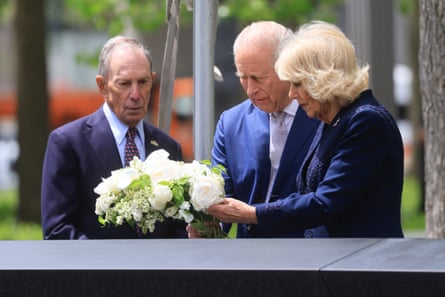
The NYC mayor's office decision to actively distance itself from official royal protocols represents a notable shift in how American cities approach such visits. Rather than adhering to standard diplomatic niceties that typically insulate political figures from controversial positions, New York's leadership chose to align itself with advocacy groups and communities concerned about historical justice. This approach signals a growing willingness among elected officials to use their platforms to highlight issues that transcend traditional state-to-state relations.
What makes this particular moment especially significant is the timing and the platform. King Charles has positioned himself as a forward-thinking monarch concerned with contemporary issues including climate change and social responsibility. Yet his visit highlighted the disconnect between progressive rhetoric and the material reality of institutions built upon historical exploitation. The collision between these two narratives created genuine tension within the carefully choreographed diplomatic schedule.
The broader context of Mamdani's stance reflects changing attitudes toward historical accountability in the United States. American society has become increasingly engaged with questions about how nations should reckon with the legacies of colonialism, slavery, and imperial expansion. The refusal to meet with King Charles on these grounds represents not merely a personal snub, but a deliberate statement about colonial restitution and the responsibilities of contemporary institutions to address historical wrongs.
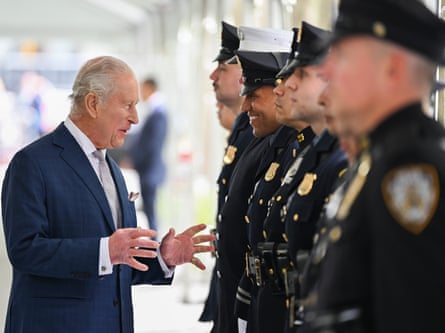
British officials and palace representatives have typically responded to repatriation requests with cautious diplomacy, emphasizing the universal significance of the Crown Jewels collection and arguing that the artifacts serve a global audience when displayed in London. However, this argument has faced increasing scrutiny from scholars, activists, and political figures who contend that cultural property should reside in the nations and communities from which it was taken, regardless of the logistical or cultural arguments for maintaining centralized collections.
The contrast between the Congressional reception and the NYC boycott underscores regional differences in how American political leadership approaches these historical questions. Washington's formal institutions prioritized the ceremonial aspects of the state visit and the opportunity to reinforce bilateral relationships. Meanwhile, New York's leadership, representing a city with substantial Indian American communities and progressive constituencies, chose to use the visit as an opportunity to amplify calls for artifact repatriation and historical justice.
For King Charles, navigating these conflicting messages required diplomatic dexterity. The monarch has previously expressed interest in cultural heritage issues and presided over conversations about modernizing the monarchy for contemporary sensibilities. Yet his continued custody of contested artifacts like the disputed Indian diamond presents an inherent contradiction that cannot be easily reconciled through rhetoric alone.
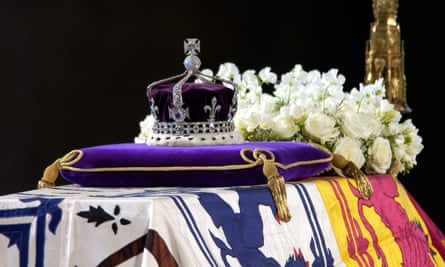
The incident also reflects broader patterns within the international art and antiquities world, where institutions increasingly face pressure from source countries and diaspora communities to return significant cultural objects. Museums in Europe and North America have begun establishing repatriation protocols, acknowledging moral and ethical obligations to return items acquired under colonial circumstances. The British Crown Jewels, however, remain largely exempt from such discussions, protected by their status as national symbols of sovereignty.
Looking forward, King Charles's visit will likely be remembered less for the Congressional applause or the elegant state dinners, and more for the public refusal by a major American city leader to engage in conventional diplomatic courtesies. This moment signals that the era of unquestioned deference to royal institutions may be waning, particularly when those institutions represent ongoing stewardship of contested historical acquisitions. The juxtaposition of official pageantry and political boycott encapsulates a fundamental tension in contemporary international relations—the challenge of maintaining diplomatic relationships while also pursuing historical accountability and justice.


