
King Charles III's US Visit: Can It Reset UK-America Relations?

King Charles III's historic US visit sparks hopes for strengthened diplomatic ties between Britain and America. Explore what lasting impact this royal tour could have on international relations.
As the final applause echoes through grand ballrooms and state dinners conclude with ceremonial toasts, a critical question looms over King Charles III's historic US visit: can this high-profile diplomatic engagement translate into a meaningful and lasting reset of relations between the United Kingdom and the United States? The pomp and pageantry of royal protocol have captured global attention, but the real work of strengthening bilateral ties now falls to political leaders on both sides of the Atlantic who must transform symbolic gestures into substantive policy initiatives.
King Charles's journey to America represents far more than a ceremonial obligation or nostalgic continuation of tradition. This royal visit to the United States arrives at a particularly significant moment in international relations, when both nations navigate complex geopolitical challenges, shifting global power dynamics, and the need to reaffirm their historical alliance. The monarch's presence carries symbolic weight that extends beyond typical diplomatic channels, offering an opportunity to engage the American public and reinvigorate the special relationship that has defined transatlantic cooperation for decades.
Throughout the visit, King Charles has demonstrated a keen awareness of contemporary issues affecting both nations. His public addresses have touched upon climate change, technological innovation, and the importance of cultural exchange—themes that resonate deeply with modern concerns while honoring the historical foundations of UK-US relations. The king's careful selection of venues and engagements reflects a strategic approach to reaffirming shared values and mutual interests during a time when such clarity is increasingly vital.

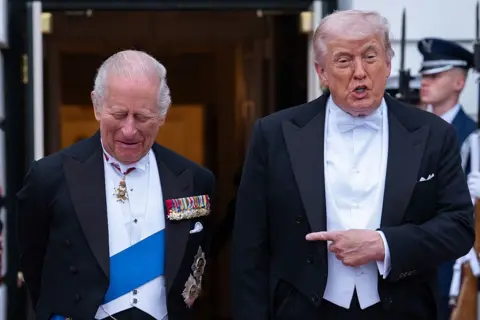
The ceremonial aspects of the visit, while impressive, represent only the surface layer of what could become a more profound diplomatic realignment. State banquets featuring elaborate protocols, military honors, and formal attire serve important functions in international relations by demonstrating respect and commitment to maintaining strong bonds. However, the true measure of this visit's success will depend on whether governmental bodies in Westminster and Washington translate these goodwill gestures into concrete agreements, enhanced cooperation frameworks, and renewed strategic partnerships that address current global challenges.
Political analysts have noted that the timing of this UK-US diplomatic visit is particularly strategic, coming at a moment when both nations are reassessing their international priorities. The British government seeks to strengthen trade relationships post-Brexit, while the American administration navigates shifting alliances and emerging threats in multiple regions simultaneously. King Charles's presence provides an ideal backdrop for these discussions, lending gravitas to negotiations while appealing to the broader public sentiment that values the historic bond between these two democracies.
One of the most significant opportunities presented by this royal visit involves expanding UK-US trade relations and economic cooperation. While ceremonial events capture headlines, behind-the-scenes discussions between government officials, business leaders, and policy experts address practical matters that will determine whether this visit produces enduring benefits. Potential areas of collaboration include technology development, financial services integration, renewable energy initiatives, and educational exchanges that can strengthen human connections between British and American institutions.
The challenge facing political leaders on both continents is substantial. Bilateral relations between the UK and US have experienced periods of tension alongside moments of profound cooperation. Recent years have witnessed disagreements over trade policy, defense spending commitments, and strategic priorities in various regions. King Charles's visit creates an opening to address these tensions constructively, but only if political representatives commit to serious dialogue and genuine compromise on contentious issues.
Security cooperation represents another critical domain where this visit could catalyze meaningful progress. The two nations have long collaborated on intelligence sharing, counterterrorism operations, and defense initiatives through established frameworks. Reinforcing these partnerships and modernizing them to address contemporary threats—including cybersecurity challenges, emerging technologies, and evolving geopolitical risks—would represent a concrete achievement emerging from this diplomatic engagement. Both governments recognize that their security interests remain fundamentally aligned despite occasional policy divergences.
Cultural and educational exchanges have historically served as important bridges between Britain and America, fostering understanding and creating networks of influence that transcend governmental structures. This visit presents opportunities to expand such programs, increase student mobility between universities, promote collaborative research initiatives, and strengthen the cultural ties that bind the two nations together. These human connections often prove more enduring than formal treaties, creating constituencies within each country invested in maintaining strong relationships.
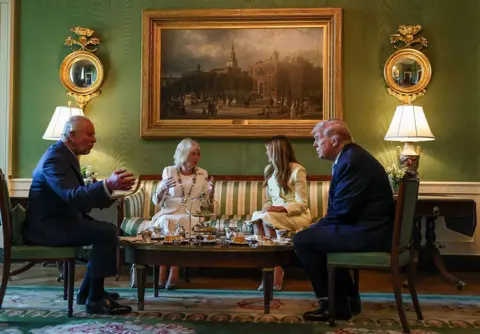
The role of the media in shaping perceptions of this visit cannot be underestimated. How British and American news outlets frame the king's journey, the enthusiasm or skepticism they portray in public reactions, and the narratives they construct around potential outcomes will influence public opinion on both sides of the Atlantic. Positive media coverage can build momentum for political initiatives, while critical analysis can highlight important questions about whether symbolic gestures translate into substantive changes that benefit ordinary citizens in both nations.
Looking forward, the effectiveness of King Charles's US visit will ultimately be measured not by the grandeur of state dinners or the eloquence of formal speeches, but by concrete outcomes that emerge in subsequent months and years. Will new trade agreements materialize? Will defense partnerships deepen? Will collaborative scientific research initiatives expand? These tangible results would demonstrate that the visit achieved its deeper purpose beyond the ceremonial realm.
The political establishment in both countries faces considerable pressure to demonstrate to their respective publics that this high-profile engagement produces meaningful benefits. In an era of skepticism toward international institutions and traditional diplomacy, political leaders must articulate clearly how strengthened UK-US relations serve the interests of British and American citizens. This requires moving beyond rhetorical flourishes to practical policies addressing jobs, security, health, and prosperity.
The historic nature of King Charles III's visit—the first reigning British monarch to address Congress in this century, the ceremonial acknowledgment of enduring ties between two nations with shared democratic values—creates a unique moment for political renewal. However, such moments are ephemeral unless sustained by committed action. The coming weeks and months will reveal whether politicians seize this opportunity to rebuild and strengthen a transatlantic relationship that remains crucial to addressing global challenges.
As the king's entourage departs and daily diplomatic routines resume, the question posed at the outset becomes increasingly urgent: will this visit represent merely another ceremonial milestone in the historical archives of both nations, or will it catalyze a genuine reset in UK-US relations? The answer depends entirely on the decisions made by political leaders who now carry the responsibility of transforming royal pageantry into lasting international cooperation that benefits both nations and contributes to global stability in an uncertain world.
Source: BBC News


