
Kodak Black Faces Florida Court on Felony Drug Charge

Rapper Kodak Black appears in Orlando court on felony MDMA trafficking charge related to November incident near school building.
Florida-based rapper Kodak Black, whose legal name is Bill Kahan Kapri, made a significant court appearance in Orlando on Thursday to address serious felony drug charges that have once again thrust the controversial artist into the legal spotlight. The charges stem from an incident that occurred in November of the previous year, during which gunshots were allegedly discharged in proximity to a children's educational facility, creating a dangerous situation that alarmed local authorities and community members alike.
The appearance marks another chapter in what has become an extensive criminal history for the rapper and musician. Kapri previously served time in federal prison following a 2019 conviction on firearms-related charges, receiving a substantial three-year sentence that significantly impacted his music career during that period. However, his legal troubles were temporarily resolved when he received a controversial pardon from former President Donald Trump during the final weeks of his administration in January 2021, allowing him to be released from incarceration.
According to multiple media reports and law enforcement sources, Kodak Black voluntarily surrendered himself to the Orange County jail facility on Wednesday, demonstrating cooperation with authorities ahead of his scheduled court proceedings. This proactive approach came in anticipation of his Thursday court appearance before a Florida judge who would oversee the drug trafficking case against him.
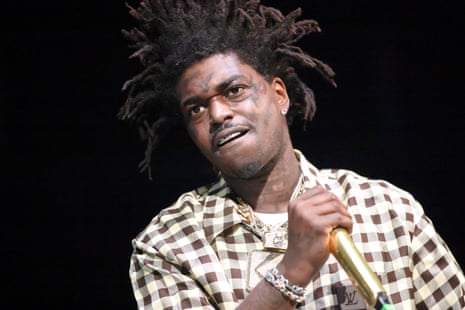
The specific charges against Kapri involve alleged MDMA trafficking, commonly known as ecstasy, which represents a serious federal crime carrying potentially substantial prison time if he is convicted. The November incident that prompted these charges allegedly involved not only drug-related activity but also the firing of weapons near a facility serving children, adding layers of complexity and severity to the overall legal situation.
The rapper's troubled history with law enforcement has been well-documented throughout his career, beginning well before his rise to prominence in the hip-hop industry. From his early years through his breakthrough in music, Kodak Black has faced numerous arrests and legal challenges covering various criminal allegations, establishing a pattern that has repeatedly drawn media attention and public scrutiny.
Prior to his 2019 firearms conviction, Kodak Black had accumulated multiple arrests on charges ranging from drug possession to violent crimes. His 2018 arrest on sexual assault charges in South Carolina, which he maintained were false accusations, added another controversial chapter to his legal record. Despite these challenges, the rapper has maintained a dedicated fanbase and continued to produce music, including several successful projects that have resonated with listeners despite his legal entanglements.
The Trump pardon that freed him from his three-year federal sentence became a watershed moment in his legal journey, allowing him to return to his music career with renewed focus and energy. However, this latest charge suggests that his troubles with the criminal justice system may not have concluded with his presidential pardon, raising questions about his ability to stay out of legal difficulty.
Legal experts and analysts have noted that drug trafficking charges in Florida carry some of the most severe penalties in the nation, with mandatory minimum sentences often applied in cases involving substantial quantities of controlled substances. The involvement of weapons in the alleged incident further complicates his legal position, as prosecutors may seek to enhance charges or pursue additional criminal allegations related to the firearm discharge near the school building.
The Orange County legal system where his case is being processed has a reputation for aggressively prosecuting drug-related crimes, particularly those involving trafficking rather than simple possession. This jurisdiction factor could significantly impact the trajectory and potential outcomes of his legal proceedings, making the specifics of local prosecution patterns particularly relevant to his situation.
Kodak Black's legal representation will likely focus on defending against the trafficking allegations while addressing the circumstances surrounding the alleged weapon discharge. The defense strategy may involve challenging evidence, questioning witness testimony, or negotiating potential plea agreements that could result in reduced charges or sentencing recommendations.
His case continues to draw attention from music industry observers, legal commentators, and entertainment news outlets who have monitored his career trajectory throughout his various legal challenges. The intersection of his status as a prominent rap artist and his repeated encounters with the criminal justice system creates a compelling narrative that resonates with broader discussions about criminal justice reform and second chances in America.
As the court proceedings move forward, the outcome will likely have significant implications not only for Kodak Black's personal freedom and future but also for his ability to continue his music career. The uncertainty surrounding his legal situation underscores the challenges that some artists face in maintaining professional momentum while navigating serious legal matters that demand significant time, resources, and emotional energy.
The case serves as a cautionary tale about the consequences of alleged criminal activity and the difficulty of completely leaving behind a troubled past, even after receiving executive clemency from the highest levels of government. Whether Kodak Black can successfully resolve these charges and chart a more stable legal path forward remains to be seen as his case progresses through the Florida court system.
Source: The Guardian


