
Korean Air Battles Soaring Fuel Costs Amid Iran Tensions

Korean Air, South Korea's national flag carrier, takes drastic measures to cut costs as energy prices spike due to the ongoing conflict in Iran.
Korean Air, South Korea's national flag carrier, has been forced to take emergency action as fuel prices continue to soar due to the ongoing tensions in Iran. The airline has announced a series of cost-cutting measures in an effort to mitigate the financial impact of the spiraling energy costs.
The Iran war has had a significant impact on global oil supplies, leading to a sharp rise in jet fuel prices. This has put significant strain on the aviation industry, with airlines around the world struggling to maintain profitability in the face of such volatile energy costs.
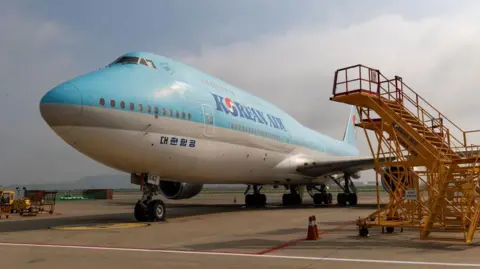
In response to the crisis, Korean Air has announced that it will be implementing a range of cost-saving initiatives. This includes reducing the number of flights, deferring non-essential expenditures, and reviewing staff levels to ensure the airline can weather the storm.
"We are facing an unprecedented challenge with the surge in fuel prices," said a spokesperson for Korean Air. "As a result, we have been forced to take emergency action to protect the long-term viability of our business."
The airline industry has long been vulnerable to fluctuations in energy costs, with fuel typically accounting for a significant portion of an airline's operating expenses. The conflict in Iran has exacerbated this issue, with oil prices rising sharply in recent months.
Despite the challenges, Korean Air remains committed to maintaining its high-quality service and connectivity for passengers. The airline has assured customers that it will do everything in its power to minimize the impact of the cost-cutting measures on their travel experience.
As the Iran war continues to unfold, the aviation industry will likely face further economic pressures. However, Korean Air and other airlines are taking proactive steps to ensure they can withstand the storm and emerge stronger on the other side.
Source: BBC News


