
Kumanjayi Baby Girl: Family Grieves 'Life Gone Too Soon'

Gurindji families mourn five-year-old Warlpiri girl found dead in Alice Springs, expressing helplessness as community unites in grief over the tragedy.
The Gurindji families of Kumanjayi Baby Girl have come forward with an emotional statement expressing the profound grief and sense of helplessness that gripped their community following the tragic discovery of the five-year-old Warlpiri girl in Alice Springs. The heartfelt message, released by relatives of the young child, reflects the deep sorrow felt across the community and extends a call for unity during this devastating time. The statement represents one of the first public expressions of grief from those closest to the deceased child, offering insight into the emotional toll this tragedy has taken on the extended family and broader Gurindji community networks.
"A life so precious, so full of innocence, gone far too soon," the Gurindji families said in their statement regarding the tragic loss. The five-year-old child was discovered deceased in Alice Springs on Thursday evening, marking the devastating conclusion to an agonizing five-day search that began when she went missing from her bed at the Old Timers town camp. This missing child case had captured public attention and mobilized search efforts throughout the Alice Springs region as authorities and community members worked desperately to locate the young girl.
The discovery of Kumanjayi Baby Girl's body brought an end to the frantic search efforts but opened a new chapter of grief and mourning for her family and community. The families expressed that they felt completely "helpless" when they first learned of her disappearance, highlighting the emotional turmoil experienced during those critical days when the child's whereabouts remained unknown. This sense of powerlessness during the search period has now transformed into collective mourning as the community grapples with the reality of her death.
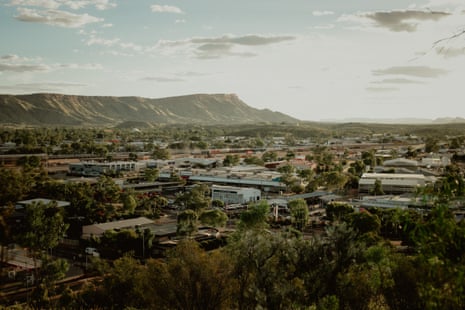
In the wake of this tragedy, NT chief minister comments have indicated that charges are anticipated to be laid in connection with the child's death. The foreshadowing of legal action suggests that the circumstances surrounding Kumanjayi Baby Girl's death may involve criminal responsibility. The statement from authorities about forthcoming charges has added another layer of complexity to an already heartbreaking situation, shifting the focus from a missing person investigation to a potential criminal inquiry.
The Old Timers town camp, where the child went missing from her bed, has been thrust into the spotlight as the epicenter of this tragedy. This community space, which serves as home to many Indigenous families, has become synonymous with the case as investigations continue. The circumstances of how a five-year-old came to go missing from this location during the nighttime hours remain a focal point for authorities and community members seeking answers and accountability.
Kumanjayi Baby Girl's death represents a profound loss that extends far beyond her immediate family to encompass the broader Gurindji community and the wider network of Indigenous Australians who understand the vulnerabilities and challenges facing young children in these communities. The loss of such a young life, described as "precious" and "innocent" in the family statement, resonates deeply with broader conversations about child safety, community welfare, and the responsibilities of those tasked with protecting vulnerable members of society.
The call for community unity expressed in the Gurindji families' statement reflects a desire for collective healing and shared strength during an intensely difficult period. Rather than allowing this tragedy to further fracture community bonds, the families are appealing for the community to come together in grief and support one another through the mourning process. This emphasis on unity suggests a recognition that collective resilience and mutual support will be essential as the community navigates this profound loss.
The child safety investigation into the circumstances surrounding Kumanjayi Baby Girl's death is ongoing, with authorities working to establish facts and determine responsibility. The involvement of the NT chief minister in making statements about anticipated charges indicates that this case is being treated with the seriousness and urgency it demands. The prospect of criminal proceedings may eventually provide some measure of accountability, though such legal outcomes can never compensate for the irreplaceable loss of a young life.
As investigations progress and the community enters a period of extended mourning, the memory of Kumanjayi Baby Girl will remain central to discussions about how Indigenous communities are supported and how vulnerable children are protected. The tragic circumstances of her death highlight the complex interplay between individual tragedy and systemic issues that affect Indigenous Australians, particularly in remote and regional areas where resources and support services may be limited.
The article contains references to an Indigenous Australian who has died, and readers should be aware of the sensitive and distressing nature of the content being discussed. This warning reflects an important cultural practice of acknowledging deceased Indigenous individuals and the impact such news has on Indigenous communities. The tragedy of Kumanjayi Baby Girl's death reverberates through these cultural sensitivities and community bonds that connect Indigenous families across geographical and kinship boundaries.
Looking forward, the Gurindji families and broader community will need to navigate the complex emotional and practical challenges that follow such a tragedy. Support services, counseling resources, and community-based assistance will likely play crucial roles in helping families and community members process their grief. The statement from Kumanjayi Baby Girl's relatives serves as a poignant reminder of the human cost of this tragedy and the urgent need for continued vigilance in protecting vulnerable children in all communities.
Source: The Guardian


