
Kumanjayi Little Baby Death: Australia's Outcry

Explore the tragic case of Kumanjayi Little Baby and the widespread outrage it sparked across Australia, examining cultural sensitivities and systemic issues.
The death of Kumanjayi Little Baby, a young Aboriginal child from remote Australia, has ignited a firestorm of grief, anger, and soul-searching across the nation. This tragic case has become a focal point for broader discussions about Indigenous rights in Australia, systemic inequality, and the urgent need for reform in how authorities handle vulnerable communities. The circumstances surrounding her death have exposed deep fractures in the support systems designed to protect some of Australia's most at-risk populations.
Kumanjayi Little Baby was a child whose life was marked by hardship and systemic failures that predated her death. Born into a community facing extraordinary challenges, she represented countless Indigenous children who navigate poverty, inadequate healthcare, and social services stretched beyond their capacity. Her story is not one of individual misfortune alone, but rather a reflection of systemic issues affecting Indigenous communities across Australia that demand urgent attention and comprehensive reform.
The case has resonated particularly strongly because it raises fundamental questions about duty of care, accountability, and whether authorities adequately prioritized the safety and wellbeing of a vulnerable child. Community members, advocates, and concerned Australians have called for investigations into the decisions made by various agencies and institutions that had contact with the family. These questions have transcended typical news cycles, becoming a rallying point for those seeking meaningful change in how Indigenous Australians are treated.

The cultural context surrounding this tragedy cannot be overstated. Indigenous Australians have experienced centuries of marginalization, dispossession, and systemic discrimination that continues to reverberate through communities today. Understanding why Kumanjayi Little Baby's death has caused such profound outrage requires acknowledging this historical backdrop and the ongoing vulnerabilities that Indigenous children in Australia face disproportionately. The case has become emblematic of these deeper, structural problems that persist despite decades of advocacy and reform efforts.
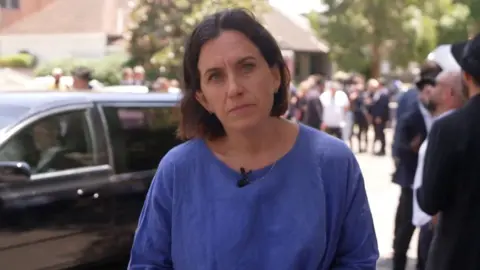
The BBC's Katy Watson has provided crucial analysis and reporting on this sensitive matter, helping international audiences understand the local significance and broader implications of the case. Watson's coverage has emphasized that this is not merely a tragic individual incident but rather symptomatic of larger patterns affecting Indigenous communities throughout Australia. Her reporting has highlighted the interconnected nature of poverty, healthcare access, educational opportunities, and government support that determines outcomes for vulnerable children.
Remote Indigenous communities face unique challenges that are often invisible to those living in major urban centers. Geographic isolation, limited access to healthcare facilities, inadequate funding for social services, and the lasting impacts of intergenerational trauma all contribute to the precarious situations many families navigate daily. These communities frequently lack resources that most Australians take for granted, from reliable transportation to qualified medical professionals to adequate housing, creating an environment where children's safety and development are perpetually at risk.

Child welfare services in Australia have faced mounting criticism following Kumanjayi Little Baby's death. Questions have emerged about whether case workers had sufficient training, resources, and cultural competency to address the unique needs of Indigenous families. The case has prompted reviews of protocols and procedures, with advocates arguing that mainstream child protection systems often fail to account for cultural differences and the specific vulnerabilities of Indigenous communities. These institutional failures have become central to understanding how a child could fall through so many safety nets.
The outrage extends beyond the immediate circumstances to encompass frustration with the government's historical and ongoing response to Indigenous disadvantage. Despite numerous reports, inquiries, and commitments to reform, Indigenous health disparities and social inequalities remain stubbornly persistent. Kumanjayi Little Baby's death has crystallized this frustration, with many arguing that meaningful change requires not incremental reforms but fundamental restructuring of how services are delivered and how resources are allocated to Indigenous communities.
Media coverage of the case has played a significant role in amplifying community voices that might otherwise go unheard. Journalists like Watson have prioritized reporting that centers Indigenous perspectives and expertise, rather than presenting the tragedy solely through a mainstream lens. This approach has helped ensure that the narrative remains grounded in the realities of the communities most affected, rather than being filtered through potentially dismissive or sensationalizing frameworks that have historically characterized media treatment of Indigenous issues.

The legal and investigative responses to Kumanjayi Little Baby's death have been closely watched. Various agencies have faced scrutiny regarding their interactions with the family and their decision-making processes. These investigations have become opportunities to examine whether Australia's institutional responses to Indigenous vulnerability are adequate, whether accountability mechanisms exist and function effectively, and whether there are meaningful consequences when systems fail to protect children. The outcomes of these investigations will likely influence policy discussions and reform efforts moving forward.
Community organizations and advocacy groups working in Indigenous affairs have used this moment to renew calls for systemic change. Many argue that adequately addressing the challenges facing Indigenous communities requires sustained political will, substantial resource allocation, and genuine partnership with Indigenous leaders and organizations. The tragedy has become a catalyst for broader conversations about priorities and values, forcing Australians to confront uncomfortable questions about national equity and justice.
The emotional impact of Kumanjayi Little Baby's death extends throughout affected communities and has also resonated with non-Indigenous Australians who recognize the moral imperative to address these failures. Many have expressed frustration that such preventable tragedies continue to occur despite decades of awareness about systemic issues. This broader outrage reflects a dawning recognition that the status quo is unacceptable and that failure to implement meaningful reforms represents a choice, not an inevitability.
As Australia's response to Indigenous disadvantage continues to evolve, Kumanjayi Little Baby's case will likely remain a significant reference point. The tragedy has highlighted the urgency of reform while also illuminating the complexity of solutions. Moving forward, effective change will require sustained commitment from government, civil society, and communities themselves, along with adequate resourcing and genuine accountability for outcomes that matter most to Indigenous Australians.
Source: BBC News


