
Kumanjayi Little Baby: Nation Mourns as Vigils Call for Unity

Hundreds gather across Australia for vigils honoring five-year-old Warlpiri girl Kumanjayi Little Baby, with Indigenous advocates urging end to politicization of her death.
The death of Kumanjayi Little Baby, a five-year-old Warlpiri girl from Alice Springs, has sparked an outpouring of grief across Australia, with community vigils and remembrance ceremonies taking place in towns and cities nationwide. The tragic loss of the young child, whose body was discovered following an intensive five-day search, has left an indelible mark on Indigenous communities and supporters throughout the country who came together on Thursday evening to stand in solidarity with her devastated family.
The national body representing First Nations children has issued a poignant call for unity and respect, urging Australians to resist the temptation to use this heartbreaking case as a political tool. Advocates emphasize that the focus should remain firmly on honoring Kumanjayi's memory and supporting her grieving family during this unimaginable time of sorrow. The message resonates deeply across Indigenous communities who have long felt that their losses are too often exploited for political gain rather than generating genuine, meaningful change.
Hundreds of community members, supporters, and advocates gathered in silent tribute throughout Thursday, creating powerful scenes of collective mourning across multiple locations. From Alice Springs to major metropolitan centers, people lit candles, shared flowers, and offered words of comfort to those closest to the young girl. These vigils for Kumanjayi Little Baby represented far more than simple gatherings; they served as profound expressions of solidarity with the Warlpiri community and broader Indigenous Australia facing repeated tragedies.

The circumstances surrounding Kumanjayi's death have drawn widespread attention to ongoing concerns about child safety in Indigenous communities and the systemic issues that continue to affect vulnerable populations across Australia. The five-day search that preceded the discovery of her body captured national attention, with countless volunteers and authorities mobilizing resources in desperate hope of finding her alive. The tragic outcome has reignited conversations about protection services, community support systems, and the need for sustained, genuine investment in Indigenous child welfare.
Indigenous leaders and child advocacy organizations have been particularly vocal about the importance of maintaining dignity and respect throughout this process. They stress that while discussions about systemic failures and necessary reforms are crucial, these conversations must be conducted with sensitivity and genuine intent to create change, rather than serving narrow political agendas. The call for depoliticization underscores the frustration many Indigenous Australians feel when their communities' deepest tragedies become fodder for partisan debate.
The Warlpiri community of Alice Springs, where Kumanjayi lived, has been particularly affected by this loss, with many members struggling to process the death of one so young. The region, like many remote Indigenous communities across Australia, faces unique challenges including geographic isolation, limited access to services, and ongoing socioeconomic disadvantages that can compromise child safety and welfare. The loss of Kumanjayi has thrown these systemic issues into sharp focus once again.

Religious leaders, cultural representatives, and community figures have come together to support the family and facilitate healing processes that respect Warlpiri traditions and cultural practices. Many vigils incorporated Indigenous cultural elements, with ceremonies and rituals honoring both Kumanjayi's memory and broader connection to Country and ancestors. These meaningful practices provide important pathways for grief processing within frameworks that hold deep cultural significance for Indigenous Australians.
The national response to Kumanjayi's death reflects broader societal recognition of the disproportionate vulnerabilities faced by Indigenous children in Australia. Statistics consistently demonstrate alarming disparities in child mortality rates, hospitalization rates, and experiences of trauma among Indigenous youth compared to non-Indigenous populations. These stark realities underscore why advocates continue to push for sustained, properly-funded interventions and systemic reforms.
Throughout the week leading up to the vigils, media coverage of the case intensified discussions about how tragedies affecting Indigenous Australians are reported and discussed in public discourse. Many commentators noted the importance of centering the voices, experiences, and agency of Indigenous communities rather than allowing external voices to dominate narratives about Indigenous issues. This principle of self-determination extends to how Indigenous Australians choose to grieve, remember, and move forward.
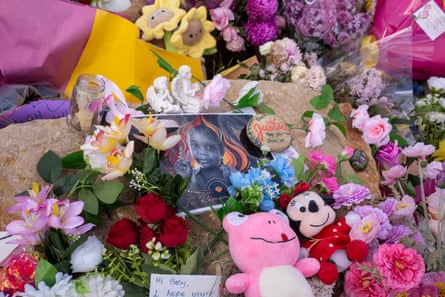
Child protection services and government agencies have faced renewed scrutiny following Kumanjayi's death, with advocates calling for comprehensive reviews of current systems and resource allocation. Questions have emerged about whether existing frameworks adequately address the unique needs and vulnerabilities of Indigenous children, and whether sufficient support exists for Indigenous families navigating child welfare systems. These critical conversations, when approached with genuine intent to reform rather than assign blame, can catalyze meaningful policy changes.
The vigils across Australia served as powerful reminders of the interconnectedness of grief within Indigenous communities, where tragedies affecting one community ripple across the entire nation. Participants from diverse backgrounds and regions demonstrated that support for Indigenous families extends far beyond immediate geographic areas, reflecting values of solidarity and recognition of shared humanity. This national outpouring of compassion provided important affirmation to grieving community members that their loss is witnessed and honored.
As Australia moves forward from this devastating incident, advocates continue emphasizing that meaningful change requires sustained commitment from all sectors of society. This includes adequate funding for child protection services, support for community-led initiatives, investment in preventative health and social programs, and genuine partnership with Indigenous communities in decision-making processes. Without these commitments, the risk remains that tragedies will continue repeating across Indigenous Australia.
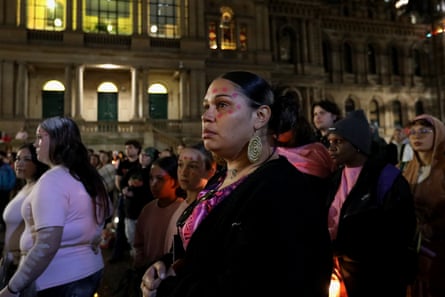
The call to resist politicization of Kumanjayi's death ultimately reflects Indigenous Australians' exhaustion with cycles of tragedy, media attention, political posturing, and minimal substantive change. Many community members have emphasized that genuine respect for Kumanjayi's memory means committing to tangible improvements in systems and services that protect vulnerable children. This perspective demands that political leaders and public figures approach Indigenous child welfare issues with authentic commitment to reform rather than opportunistic engagement.
In the weeks and months ahead, maintaining focus on the family's needs, supporting Warlpiri community healing processes, and channeling grief into constructive systemic change will be essential. The vigils that took place on Thursday represented important first steps in collective mourning and solidarity, but sustained attention and resource commitment will be necessary to honor Kumanjayi's memory meaningfully and work toward preventing future tragedies in Indigenous communities across Australia.
Source: The Guardian


