
Kyiv Mourns 24 Dead in Russian Strike as Prisoner Swap Proceeds

A devastating Russian missile strike kills 24 people in Kyiv, including a 12-year-old girl. Prisoner exchange continues amid ongoing conflict.
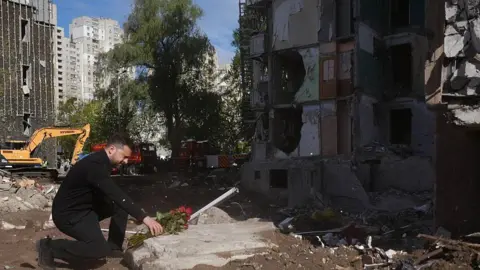
A tragic Russian strike on Kyiv has claimed the lives of at least 24 people, casting a shadow over the Ukrainian capital as the nation grapples with mounting civilian casualties. The attack targeted residential apartment buildings in the city, leaving families devastated and communities reeling from the sudden loss. Emergency services worked through the night to locate survivors trapped in the rubble and provide medical assistance to the wounded, while rescue operations continued in the hours following the assault.
Among the victims was 12-year-old Lyubava Yakovleva, whose father had already been killed earlier during the war. The young girl's death represents the compounding tragedy many Ukrainian families face, having already lost loved ones in the ongoing military conflict between Russia and Ukraine. Her story underscores the devastating human toll the war continues to exact on civilians, particularly children and youth who find themselves caught in the crossfire of geopolitical tensions.
The Kyiv apartment strike occurred during daylight hours, when residential areas are typically populated with families, workers, and schoolchildren. Eyewitness accounts describe a sudden explosion that shook entire neighborhoods, followed by emergency responders racing to the scene. The blast damaged multiple residential units, leaving some buildings partially collapsed and others rendered uninhabitable, displacing numerous families who lost their homes along with their loved ones.
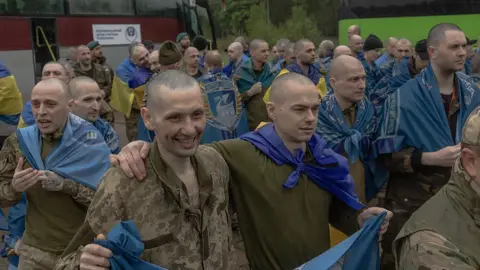
Despite the tragedy unfolding in the capital, prisoner exchange operations proceeded as scheduled between Ukrainian and Russian forces. The swap represented one of several negotiated exchanges between the two nations aimed at securing the release of captured military personnel and civilians. These humanitarian negotiations continue even as military operations intensify, reflecting ongoing diplomatic channels maintained by both sides despite the active conflict.
Ukrainian officials condemned the Russian military attack, characterizing it as another example of indiscriminate violence targeting civilian infrastructure. The strike adds to a growing list of incidents where residential areas have been hit during the conflict, raising international concerns about adherence to laws of war and protection of non-combatants. Kyiv's mayor and regional authorities called for increased international pressure on Russia to cease targeting civilian populations and infrastructure.
The casualty figures from Kyiv continue to mount as rescue teams complete their initial searches through the damaged buildings. Medical facilities across the city prepared to handle the influx of injured survivors, many suffering from severe burns, crushing injuries, and shrapnel wounds. Hospital officials reported that multiple victims remained in critical condition, with the death toll potentially rising as additional casualties were identified in subsequent hours.

International humanitarian organizations expressed grave concern over the escalating civilian toll in Ukraine's capital region. The United Nations and various human rights groups have documented numerous incidents of civilian buildings being struck during the conflict, calling for investigations into potential war crimes. These organizations emphasized the need for accountability and adherence to international humanitarian law by all parties involved in the armed conflict.
The prisoner swap agreement came through negotiations mediated by third parties, including Turkey and the United Nations, which have maintained their roles as neutral intermediaries throughout the conflict. These exchanges typically involve military personnel captured by both sides, and occasionally include civilians or those accused of war crimes. The timing of the exchange coinciding with the Kyiv strike highlighted the complex situation in which humanitarian efforts proceed amid ongoing violence and casualties.
Local residents of the affected neighborhoods described scenes of chaos and confusion immediately following the strike. Families searched frantically for missing loved ones, while volunteers and community members assisted with rescue efforts before professional emergency services fully mobilized. The psychological impact on survivors and witnesses was immediately apparent, with traumatized civilians struggling to cope with the sudden loss and destruction they had witnessed.
Ukrainian military analysts noted that the Russian missile attack on Kyiv represented another phase in Russia's strategy of targeting the capital city, despite previous Russian assertions about limiting strikes on civilian areas. Satellite imagery and intelligence reports suggested the missiles originated from Russian positions, though Moscow had not yet officially commented on the strike at the time of reporting. The attack underscored the persistent military threat facing Ukraine's urban centers throughout the ongoing conflict.
The war in Ukraine has resulted in hundreds of thousands of casualties since its escalation in early 2022, with civilian deaths remaining a persistent concern for international observers and humanitarian organizations. Each strike on populated areas adds to the trauma and grief affecting Ukrainian society, while also strengthening resolve among many Ukrainians to continue resisting what they view as an unjust invasion of their homeland. The combination of military losses and civilian casualties has prompted widespread calls for negotiated settlements and ceasefire agreements.
As evening fell over Kyiv, families mourned their losses while searching for missing relatives, and medical teams continued treating the wounded. The prisoner exchange proceeded in a separate location away from the immediate strike zone, reflecting the compartmentalization of diplomatic efforts even in the midst of active conflict. Ukrainian officials vowed to continue pursuing all available avenues for securing the release of captured citizens while simultaneously preparing their defenses against further Russian attacks on civilian populations.
Source: BBC News


