
Labour Eyes Burnham as Starmer Faces Growing Pressure

Westminster insiders reveal plans for Andy Burnham's political comeback as Labour MPs express concerns over Keir Starmer's leadership amid mounting electoral challenges.
The political landscape at Westminster has shifted dramatically this week, with Labour leadership questions dominating backbench conversations and informal meetings across parliament. While the attention of the media remained fixed on committee proceedings and parliamentary voting procedures, a more significant political development was unfolding behind the scenes in the corridors of power. Party insiders are quietly discussing alternatives to the current direction, signaling deep-seated anxieties about the trajectory of the government and its electoral prospects heading into a critical period.
The pressure on Keir Starmer has intensified considerably as Labour MPs gather in informal settings to discuss their concerns about the party's direction and electoral performance. Prominent figures within the party, including Wes Streeting and Angela Rayner, have been actively engaging with backbench colleagues in the Strangers' Bar at parliament, attempting to gauge sentiment and shore up support. These conversations reveal growing apprehension among party members about what some describe as an "existential" crisis facing the party, particularly with crucial electoral contests scheduled for the coming week that could significantly impact Labour's standing.
Central to these discussions is the emerging possibility of a political comeback for Andy Burnham, the influential Greater Manchester mayor whose track record in regional politics has earned him considerable respect among Labour colleagues. Allies of Burnham have begun making strategic preparations for his potential return to Westminster, suggesting this is no longer merely speculative gossip but rather a serious consideration being explored in party circles. According to sources close to the situation, these preparations could materialize into concrete action within a matter of weeks, indicating that planning has advanced beyond preliminary discussions into more substantive organizational groundwork.

The timing of these developments is particularly significant given the electoral challenges Labour faces in the immediate future. Party members are growing increasingly concerned about the party's ability to maintain its position and appeal to voters across different regions and demographics. The emergence of Burnham as a potential alternative reflects a broader anxiety within Labour circles about whether current leadership strategies will prove sufficient to navigate the political challenges ahead. Burnham's extensive experience in both national and regional politics, combined with his reputation for connecting with working-class voters, has made him an attractive figure to those questioning the current direction.
Sources within the party have indicated that Burnham's potential return represents what some consider to be "no other plan" that comes close in terms of viability and broad appeal. This assessment suggests that among the various options being discussed internally, a transition to Burnham-led political leadership is viewed as the most promising path forward by a significant faction within Labour. His tenure as mayor of Greater Manchester has been marked by initiatives focused on regional development, public health, and economic opportunity, earning him recognition beyond his immediate constituency and demonstrating his capacity for governance at a significant scale.
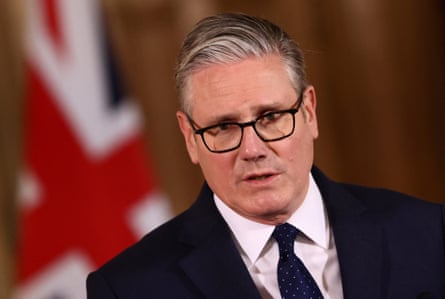
The discussions occurring within parliament this week have revealed the depth of concern among many Labour MPs about the party's electoral prospects and broader strategic direction. These conversations, conducted in the more relaxed atmosphere of parliamentary social spaces rather than formal settings, often indicate genuine rather than performative concerns among party members. The fact that senior figures like Streeting and Rayner are investing considerable effort into these informal discussions suggests that party leadership is itself aware of the fragility of the current political moment and the necessity of addressing backbench anxieties directly.
The backdrop to these developments includes the recognition that electoral challenges facing Labour are not merely temporary setbacks but potentially indicative of deeper structural issues with the party's current positioning and messaging. The upcoming elections represent a critical test of whether the party's strategies and leadership are resonating with voters or whether significant adjustments are required. Many MPs view this period as a potential inflection point that could determine not only the immediate electoral outcomes but also the longer-term trajectory of Labour's political fortunes and its ability to remain a viable governing force.
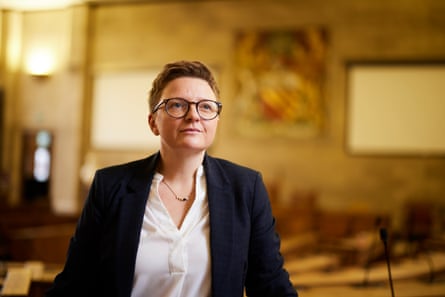
Burnham's political career has been characterized by a willingness to challenge orthodoxy and pursue unconventional solutions to entrenched problems. His work addressing public health inequalities in Greater Manchester, his efforts to negotiate devolution arrangements, and his advocacy for the regions outside London have established him as a figure with both principled convictions and practical political effectiveness. These qualities, combined with his demonstrated ability to work effectively across different levels of government, have contributed to the growing sense among some Labour figures that he represents a credible alternative pathway for the party's future direction.
The possibility of a Westminster return for Burnham raises important questions about party strategy and the mechanisms through which Labour might transition to different leadership if current circumstances continue to deteriorate. Political transitions of this nature typically require extensive groundwork, careful coalition-building, and strategic timing to succeed. The fact that allies of Burnham are already engaged in these preparatory activities suggests that the scenario is being treated with considerable seriousness by those involved, even if public acknowledgment remains circumspect and deniable.
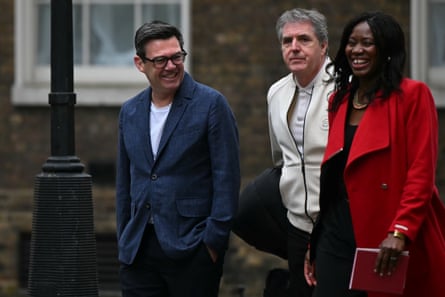
The broader context of these political maneuvers includes long-standing tensions within Labour between different regional interests, different visions for the party's policy direction, and different assessments of what will prove most effective in appealing to voters. Burnham has positioned himself somewhat outside the main Westminster establishment while maintaining sufficient connections and credibility to remain politically viable at the national level. This positioning, while sometimes keeping him at a certain remove from the highest levels of party decision-making, has also insulated him from some of the controversies and criticisms that have attached themselves to other senior party figures.
As these developments continue to unfold, the coming week will prove critical in determining whether the electoral results validate current leadership or intensify calls for significant strategic change within the party. The stakes are considerable not only for individual political figures but for the party's ability to maintain its position and effectively challenge the governing party. The Labour party's future direction may well depend significantly on how successfully current leadership navigates these challenges or how quickly and effectively potential alternatives like Burnham can be mobilized if current circumstances continue to deteriorate.
Source: The Guardian


