
Labour Groups Propose Tax Cuts Amid Leadership Pressure

Growth and Tribune groups allied to Streeting and Burnham unveil policy proposals including tax cuts and cost of living support as pressure mounts on Starmer.
As Prime Minister Keir Starmer faces mounting pressure to step down from his leadership position, influential Labour-linked factions have begun laying out their own visions for the country's future direction. The Growth Group, which maintains close ties to Health Secretary Wes Streeting, alongside the Tribune group of Labour MPs connected to Greater Manchester Mayor Andy Burnham, have both released comprehensive policy frameworks that signal potential shifts in government direction should either leader emerge as a successor to the current administration.
These Labour policy proposals represent more than routine party discussions; they reflect genuine jockeying for position within the party hierarchy during a period of significant political instability. Both groups have positioned themselves as modernizers willing to challenge the status quo, offering alternatives to current government approaches on key issues affecting British households. The timing of these publications, coming during a critical moment for the Starmer administration, suggests both factions are preparing for potential transition scenarios.
The Growth Group's platform emphasizes substantial tax cuts as a central pillar of economic policy, arguing that reducing the tax burden on individuals and businesses would stimulate growth and increase consumer spending. Their proposals outline specific mechanisms for delivering relief to households struggling with financial pressures while simultaneously creating conditions they believe would encourage business investment and job creation. The group contends that their approach represents a practical middle ground between continued high taxation and unfettered free-market policies.

Meanwhile, the Tribune group has emphasized broader concerns about cost of living support, presenting detailed plans for addressing the economic hardships facing ordinary British families. Their proposals include targeted interventions in energy pricing, housing affordability, and support for low-income households facing escalating expenses. Tribune has positioned itself as the voice of traditional Labour values while accepting the need for pragmatic, sustainable solutions rather than temporary fixes.
Both groups have proposed significant government reforms designed to improve efficiency and reduce wasteful spending across departments. These structural changes aim to demonstrate fiscal responsibility while freeing up resources for priority areas like healthcare, education, and social services. The proposed reforms suggest that both potential leadership contenders see modernization of the civil service as essential to delivering on promised improvements to public services.
The publication of these competing visions reflects deeper uncertainties within the Labour Party about its long-term direction and priorities. Streeting and Burnham represent different wings of the party and different geographical bases of support, with Streeting drawing backing from centrist and modernizing elements within Labour, while Burnham retains strong connections to traditional Labour heartlands and local government networks. Their respective policy proposals reflect these different constituencies and philosophical approaches.
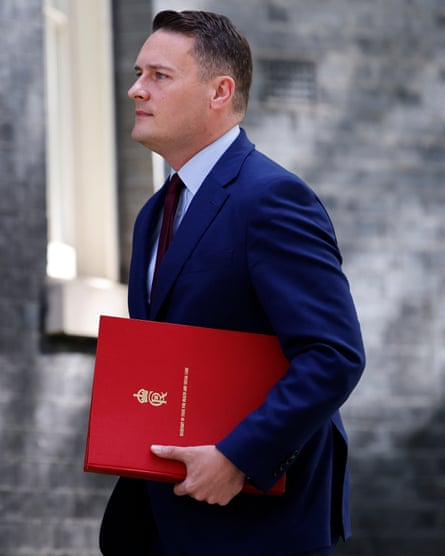
The Growth Group proposals have attracted particular attention for their detailed cost estimates and implementation timelines, suggesting a level of policy development beyond initial concept stages. These proposals include mechanisms for phasing in tax cuts while protecting public service funding, attempting to address concerns that reduced taxation might necessitate cuts to essential services. The group's approach emphasizes that economic growth generated by their policies would ultimately increase tax revenues despite lower rates.
Tribune's offerings emphasize social cohesion and community support alongside economic measures, reflecting Burnham's background in local government and his emphasis on place-based policies. Their proposals include enhanced support for local authorities, devolved decision-making powers, and targeted help for communities most severely affected by economic pressures. This approach appeals to Labour traditionalists who prioritize social solidarity and collective provision.
The emergence of these competing policy platforms during a period of leadership uncertainty reflects the reality that senior Labour figures must prepare for multiple scenarios. While Starmer currently holds the position of Prime Minister, the party operates in a context where leadership transitions can occur relatively quickly when party members and MPs lose confidence. Both Streeting and Burnham appear to be positioning themselves as serious alternatives should internal pressure for change intensify.
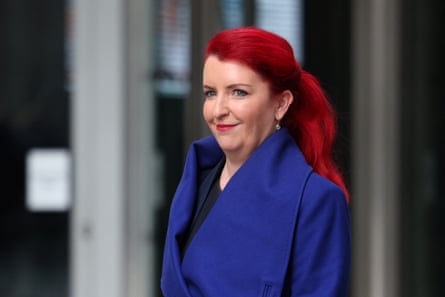
Observers of Labour politics note that these policy proposals serve multiple purposes simultaneously: they provide concrete ideas for improving governance, they demonstrate leadership capability and strategic thinking, and they build coalitions within the party by offering support for constituencies prioritizing particular issues. The detailed nature of both groups' proposals suggests substantial intellectual investment and the backing of skilled policy advisors.
The tax policy differences between the two groups highlight distinct economic philosophies within the Labour Party. While both support some reduction in the overall tax burden, they differ on implementation details, timelines, and which sectors should receive priority relief. These differences will likely become focal points for debate should party members eventually have to choose between competing leadership candidates.
Looking forward, these proposals establish benchmarks against which the current government's performance will be measured. They also signal to the wider electorate that Labour remains capable of detailed policy development and strategic thinking during periods of internal turbulence. Both groups appear intent on demonstrating that Labour can simultaneously address economic concerns while maintaining commitments to essential public services and social support.
The Labour Party policy landscape continues to evolve as these groups engage with party members and gather feedback on their proposals. Internal consultations and policy forums will likely refine these initial offerings, building consensus around key measures while addressing concerns raised by various party constituencies. The coming months will reveal whether these proposals gain traction within party structures or remain peripheral to mainstream Labour positioning.
Source: The Guardian


