
Labour Minister Faces Sacking Calls Over False Claims

Josh Simons under fire after Guardian investigation reveals he falsely linked journalists to pro-Kremlin network in GCHQ emails, sparking cross-party outrage.
A Labour minister is facing mounting pressure to resign after a damning Guardian investigation exposed how he made false accusations linking journalists to Russian intelligence operations. The revelations have sparked outrage across the political spectrum, with politicians from multiple parties demanding immediate action against Josh Simons over his unfounded claims.
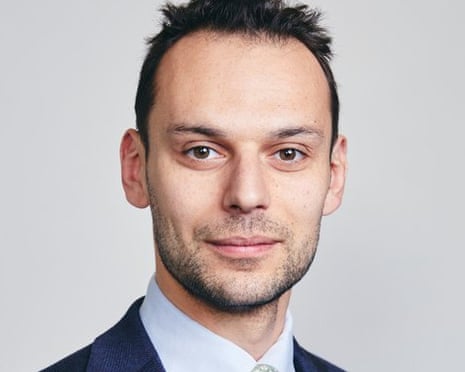
The controversy centers around Josh Simons, who at the time was leading Labour Together, a prominent political think tank. According to the Guardian's comprehensive investigation, Simons had sent communications to GCHQ, Britain's intelligence agency, in which he incorrectly alleged that certain journalists had connections to a 'pro-Kremlin' network. These serious accusations were made without proper evidence or verification, raising significant concerns about the minister's judgment and conduct.
The Guardian investigation revealed that Simons had drawn erroneous conclusions about how the journalists had obtained sensitive information regarding Labour Together's operations. Rather than conducting a thorough investigation or seeking proper verification, Simons apparently jumped to the conclusion that the information had been acquired through a Russian hack, subsequently linking the journalists to foreign intelligence operations.
Politicians from across the parliamentary divide have expressed their dismay at these revelations, with many calling for Simons to be removed from his ministerial position immediately. The cross-party condemnation highlights the serious nature of the allegations and the potential damage such unfounded accusations could cause to press freedom and journalistic integrity in the United Kingdom.
The implications of these false claims against journalists extend far beyond simple political embarrassment. By incorrectly linking media professionals to Russian intelligence operations, Simons potentially undermined their credibility and professional standing. Such accusations, particularly when made to intelligence agencies like GCHQ, could have serious consequences for the journalists involved, including damage to their reputations and potential security implications.
The Guardian's investigation appears to have been thorough and methodical, uncovering the chain of events that led to Simons making these unfounded allegations. The newspaper's reporting suggests that there was no legitimate basis for connecting the journalists to any pro-Kremlin network, and that the minister's conclusions were based on speculation rather than factual evidence.
This incident raises broader questions about the relationship between political figures and the media, particularly in an era where accusations of foreign interference have become increasingly common. The case highlights the importance of ensuring that such serious allegations are properly substantiated before being made, especially when they involve communications with intelligence agencies.
The timing of these revelations is particularly significant, coming at a time when press freedom and the independence of journalism are under scrutiny globally. The ability of journalists to investigate and report on political matters without fear of unfounded retribution is fundamental to democratic society, making Simons' actions all the more concerning to observers across the political landscape.
GCHQ communications involving allegations against journalists represent a serious breach of protocol and judgment. Intelligence agencies rely on accurate information to carry out their vital work protecting national security. When political figures provide misleading or false information to these agencies, it not only wastes valuable resources but also potentially misdirects important security operations.
The Labour Party now faces a difficult decision regarding Simons' future in government. While the party leadership has yet to make an official statement regarding the minister's position, the mounting pressure from opposition parties and the serious nature of the allegations suggest that swift action may be necessary to contain the political damage.
Opposition politicians have been quick to seize upon the revelations, with many arguing that the false accusations demonstrate a fundamental lack of judgment that makes Simons unsuitable for ministerial office. The cross-party nature of the criticism suggests that this is being viewed as a matter of principle rather than simple political point-scoring.
The journalists who were falsely accused in this case have yet to make detailed public statements about the impact of Simons' allegations. However, the potential consequences of being incorrectly linked to Russian intelligence operations could be significant, both professionally and personally. Such accusations could affect their ability to work effectively and might require them to take legal action to protect their reputations.
Labour Together, the organization Simons was leading at the time of the incident, has also found itself at the center of this controversy. As a think tank closely associated with the Labour Party, the organization's handling of sensitive information and its communications with intelligence agencies will likely face increased scrutiny following these revelations.
The broader implications for political accountability are significant. This case demonstrates the potential consequences when political figures make serious accusations without proper evidence or due process. It also highlights the importance of maintaining proper standards when dealing with intelligence agencies and ensuring that communications with such bodies are based on factual information rather than speculation or assumption.
As the story continues to develop, attention will likely focus on whether Simons will face any formal disciplinary action beyond the political pressure to resign. The incident also raises questions about the processes in place to prevent such situations from occurring in the future and whether additional safeguards are needed when political figures communicate with intelligence agencies.
The Guardian's investigation serves as an important reminder of the vital role that investigative journalism plays in holding public figures accountable for their actions. Without such scrutiny, the false accusations made by Simons might have gone undetected, potentially causing lasting damage to the journalists involved and undermining public trust in both the media and political institutions.
The resolution of this controversy will likely have implications for how similar cases are handled in the future. It may also influence the development of clearer protocols governing how political figures interact with intelligence agencies and the standards of evidence required when making serious allegations about individuals or organizations.
Source: The Guardian


