
Labour Rules Won't Bend for Burnham PM Bid

Labour NEC member warns against changing leadership rules for Andy Burnham as Wes Streeting prepares leadership challenge against Keir Starmer.
The Labour party leadership contest is heating up as internal divisions threaten to reshape the party's future direction. With significant developments unfolding at the highest levels of British politics, tensions are mounting between competing factions within the party's ranks, each eyeing the top job with calculated strategic moves and behind-the-scenes negotiations.
A member of Labour's National Executive Committee has made a forceful statement declaring that the party's leadership contest rules should absolutely not be altered or modified to accommodate Andy Burnham's potential candidacy for the party leadership. This position comes amid swirling speculation about who might ultimately replace current Prime Minister Keir Starmer if the party were to undergo a change in direction following mounting political pressures and internal party dynamics that have characterized recent weeks.
The remarks signal growing concern within Labour's governing structures about attempts to circumvent established procedural frameworks that have long governed how the party selects its leaders. Senior party figures have indicated that any deviation from these carefully established guidelines would set a dangerous precedent for future contests and undermine the democratic principles that Labour leadership selection processes are intended to uphold and maintain.
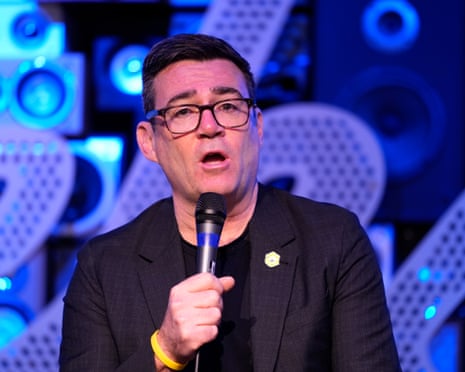
The situation has become increasingly complicated with Health Secretary Wes Streeting actively preparing to launch a formal leadership challenge against current Prime Minister Keir Starmer, contingent upon securing sufficient parliamentary support to trigger an official contest. Sources close to Streeting indicate that he has been building momentum among Labour MPs and has been engaging in strategic conversations to secure the necessary backing to force a formal leadership election process, which would represent a significant shift in party dynamics and political direction.
Meanwhile, supporters of Manchester Mayor Andy Burnham have been actively lobbying members of Labour's National Executive Committee, expressing serious concerns about what they characterize as an inevitable "coronation" scenario for Wes Streeting. Burnham's allies argue that without genuine competitive alternatives presented to the broader party membership, any leadership transition would lack legitimacy and fail to reflect the diverse perspectives and priorities that exist across Labour's base and parliamentary representatives.
The broader context for these developments involves significant tensions within the Labour party regarding its strategic direction, policy priorities, and leadership style under Starmer's tenure as Prime Minister. Several prominent figures within the party have grown increasingly vocal about their reservations regarding certain policy decisions and the overall management of party affairs, with some suggesting that a leadership change might be beneficial for party unity and electoral prospects.

Andy Burnham, who has established himself as a significant political figure through his tenure as Mayor of Greater Manchester, brings considerable experience in high-level governance and has cultivated a strong regional power base. His supporters argue that he represents a viable alternative to Streeting and could bring a different perspective and approach to party leadership that might resonate more effectively with Labour's traditional voter base and reflect concerns about regional inequality and public services.
The Labour party leadership rules in question have been subject to various reforms and adjustments over the years, designed to ensure both democratic participation and orderly succession planning. However, the current framework does contain specific requirements regarding MP nominations and party membership voting that would apply to any candidate seeking to contest for the party leadership position, regardless of their political profile or seniority within the party structure.
The NEC member's statement emphasizing that rules should not be "tweaked" appears to be a direct warning against efforts by Burnham's supporters to seek any procedural modifications that might lower barriers to entry or create special exemptions for his candidacy. This position reflects concern that bending established rules would undermine the legitimacy of the entire leadership selection process and potentially create additional divisions and grievances within the party.
The timing of these developments is significant, coming at a moment when Labour faces considerable political pressures both from opposition parties and from within its own ranks. The party is navigating complex policy challenges, public service delivery issues, and economic concerns that have created a volatile political environment where internal party stability has become increasingly important to maintain credibility with voters and media observers.
Keir Starmer's position as Prime Minister has been subject to growing scrutiny from multiple quarters, with critics pointing to various policy decisions, communications challenges, and perceived missteps in governance and party management. The prospect of a formal leadership challenge represents a significant test of his continued support among Labour MPs and party members, and would mark a dramatic reversal of the relatively stable period that has characterized his tenure at the party's helm.
Sources within Labour headquarters have indicated that there is significant anxiety about the prospect of an extended leadership contest, with many party officials concerned that public divisions at the top of the party could damage Labour's electoral standing and distract from messaging on key policy issues. The party's leadership has sought to project unity and focus public attention on government achievements and policy announcements rather than internal political maneuvering and personality-driven contestation.
The broader institutional context for these developments involves Labour's complex governance structures, which distribute power among the parliamentary party, the wider party membership, affiliated trade unions, and the National Executive Committee. These multiple centers of influence have historically been sources of both strength and potential conflict, requiring careful navigation by party leaders seeking to maintain cohesion while accommodating diverse perspectives and priorities within the broader Labour movement.
As events continue to unfold, the coming weeks will prove crucial in determining whether Wes Streeting can secure sufficient MP nominations to force a formal leadership election, and whether Andy Burnham might ultimately decide to enter the race despite challenges posed by existing party rules. The resolution of these political questions will likely have significant implications not only for Labour's immediate future but also for broader patterns of competition and alliance-building within British politics more generally.
Source: The Guardian


