
Labour's Coalition Fractures as Reform, Greens Gain Ground

Keir Starmer faces mounting pressure as Labour loses ground in working-class heartlands to Reform while Greens challenge progressive voters in local elections.
Prime Minister Keir Starmer confronts an increasingly difficult political landscape as Labour's local election performance reveals deepening fractures within the party's electoral coalition. The results, which began trickling in on Friday morning, paint a sobering picture for a government that entered office with considerable optimism and ambitious promises for transformational change across the United Kingdom.
When Starmer led Labour to a historic general election victory in July 2024, he secured one of the most decisive mandates in modern British politics. Upon crossing the threshold into Downing Street, the Prime Minister made sweeping commitments to the British public, vowing that his government would "fight every day until you believe again." This pledge encapsulated Labour's central promise: to restore faith in politics and deliver genuine improvements to the lives of ordinary citizens who had grown weary of Conservative governance.
However, the preliminary results from the local elections suggest that the carefully constructed coalition of voters who propelled Labour to power has begun to unravel with alarming speed. The working-class heartlands that have historically formed the bedrock of Labour support are showing troubling signs of erosion, with Reform UK making significant inroads in these traditionally loyal constituencies. Simultaneously, the party faces pressure from an unexpected direction as the Green Party chips away at Labour's progressive base, particularly among younger voters and environmental-conscious campaigners who are growing frustrated with the government's approach.

Starmer's well-documented competitive nature and fierce determination to succeed mean that accepting defeat has never come naturally to him. Throughout his career in law and politics, he has demonstrated an almost obsessive commitment to winning, whether in the courtroom as Director of Public Prosecutions or on the political stage. Walking away from challenges, or worse, conceding ground to rivals, runs contrary to his fundamental character. Yet the local election results force him to confront an uncomfortable reality that extends far beyond the typical midterm difficulties that governments routinely experience.
The coalition fracturing now unfolding represents something more profound than the usual pattern of protest voting or midterm dissatisfaction. When a government loses support simultaneously from multiple constituencies—blue-collar workers and progressives alike—it suggests that the fundamental political compact has broken down. Labour's working-class supporters, many of whom experienced decades of economic stagnation and declining public services, were promised tangible improvements. The Green Party surge, meanwhile, reflects impatience among left-leaning voters about environmental policy and social justice priorities.
The timing of these electoral losses is particularly consequential for Starmer's government, which has been in office for less than a year. Typically, newly elected governments enjoy a honeymoon period during which voters remain willing to give them time to implement their agenda. That this goodwill appears to be dissipating so quickly suggests that the government's messaging, policy delivery, or both have failed to meet public expectations. The discontent evidenced by the local election results cannot easily be dismissed as early midterm blues—the stock excuse politicians typically employ when facing temporary setbacks.
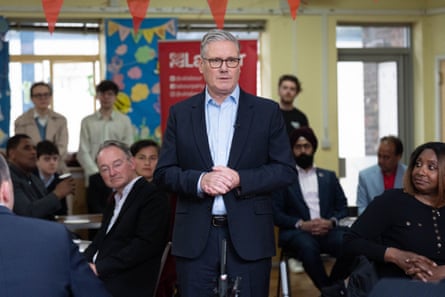
Reform UK's gains in Labour strongholds are particularly alarming from the government's perspective. Reform, led by Nigel Farage's political project, has positioned itself as an alternative for voters frustrated with centrist politics and mass immigration. By making headway in working-class constituencies—the communities most affected by economic pressures and rapid demographic change—Reform is executing a deliberate strategy to become the dominant force on the right and center-right of British politics. These gains suggest that voter realignment in British politics may be occurring faster than many predicted.
The concurrent challenge from the Greens underscores Labour's struggle to maintain a broad-based coalition. Labour's victory last summer depended on appealing across multiple groups: working-class voters seeking economic relief, progressive activists demanding bold action on climate change and social issues, and suburban middle-class voters seeking stable, competent governance. Holding these disparate groups together has proven considerably more difficult in government than in opposition. When voters feel disappointed by one aspect of a government's record, they possess numerous alternatives—from regional parties to single-issue movements.
The Prime Minister's famous phrase—that his government would "fight every day until you believe again"—now takes on a somewhat ironic tone. Starmer clearly intended these words to inspire confidence in Labour's commitment to delivering change. Yet for many voters, the government has either moved too slowly on key priorities, failed to communicate adequately about its achievements, or pursed policies that alienated important constituencies. Without a clear narrative about what the government has accomplished and where it intends to go, such statements ring hollow to increasingly skeptical voters.

Looking forward, Starmer and his senior team face significant strategic decisions. They must determine how to win back disaffected Labour voters in working-class constituencies while maintaining support among progressive activists. This requires a delicate balance: appearing strong and decisive enough to satisfy working-class concerns about immigration and community cohesion, while simultaneously demonstrating commitment to environmental and social justice priorities that energize younger, more progressive voters. Few political acts are more difficult than satisfying such competing demands simultaneously.
The local election results also carry implications for the government's broader political project. When a government elected with a substantial majority begins losing ground at the local level within months of taking office, it raises questions about whether the electoral victory was built on stable foundations or represented merely a rejection of the previous government rather than genuine enthusiasm for the new one. Labour's task now extends beyond surviving the midterm period; it must rebuild the fractured coalition that brought it to power and demonstrate that its promises of change will actually materialize.
For Starmer personally, these results represent a humbling moment. His reputation rests significantly on his perceived competence, his ability to unite diverse groups, and his determination to win. The Labour local election setbacks challenge all three dimensions of his political identity. Yet the Prime Minister's character suggests he will respond with the intensity and focus that have defined his career. Whether that determination proves sufficient to rebuild Labour's fractured coalition remains one of the central questions facing British politics in the coming months.

Source: The Guardian

