
Labour's Path to Removing Keir Starmer

Labour MPs explore four potential routes to remove party leader Keir Starmer following electoral setbacks. Discover how party rules complicate leadership changes.
Speculation intensifies within Labour Party circles regarding the future of Keir Starmer's leadership following a challenging electoral performance this week. Many senior Labour MPs have begun privately discussing whether the current party leader possesses sufficient political capital to lead the party into the next general election. However, despite widespread dissatisfaction and considerable anxiety about electoral prospects, there remains significant disagreement among MPs about the specific mechanisms through which a leadership transition could realistically occur.
The institutional framework governing Labour Party leadership changes presents substantial obstacles to any potential removal effort. The party's comprehensive rulebook establishes rigorous procedures that effectively protect sitting leaders from swift or straightforward challenges to their authority. Throughout the postwar period, no Labour leader has been formally ejected through official party procedures, making removal attempts exceptionally rare and procedurally cumbersome. Nevertheless, certain predecessors, including former Prime Minister Tony Blair, have departed from their positions following sustained pressure campaigns orchestrated by dissatisfied MPs within their own parliamentary party.

Understanding the four potential pathways to removing a Labour leader requires examining both formal constitutional procedures and informal political mechanisms that have historically proven effective within the party structure. The first route involves triggering the formal confidence vote mechanism, which demands coordination among a substantial proportion of the parliamentary Labour party to initiate proceedings. This approach, while technically available, carries significant political risks and requires unprecedented levels of unified opposition to succeed. The second pathway focuses on accumulating indirect pressure through public statements, media campaigns, and coordinated messaging that gradually erodes a leader's standing within the party and general public perception.
The third potential mechanism centers on leveraging significant electoral or political crises to manufacture circumstances that make leadership continuation untenable from a strategic perspective. This indirect approach allows MPs to avoid openly orchestrating removal while still creating conditions that encourage voluntary resignation. The fourth and final pathway involves mobilizing party membership and grassroots activists to signal dissatisfaction, though this approach requires sustained organizational effort and risks unpredictable outcomes depending on party membership composition and voting patterns.
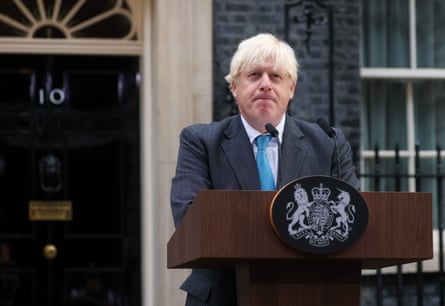
The formal confidence vote procedure represents the most direct constitutional method for challenging a sitting Labour Party leader. According to party regulations, a specified threshold of MPs must submit formal letters requesting a confidence motion before such a vote can be triggered. However, achieving the necessary parliamentary support requires unprecedented consensus among Labour MPs, many of whom fear repercussions or harbor political ambitions that depend on maintaining positive relationships with party leadership. Historical precedent suggests that organizing sufficient support for formal confidence procedures proves extraordinarily difficult, particularly when MPs must attach their names to official removal efforts.
Beyond formal constitutional procedures, informal pressure campaigns have historically proven more effective in achieving leadership transitions within Labour. MPs can coordinate public statements criticizing leadership decisions, grant interviews to sympathetic journalists highlighting concerns about electoral viability, and organize private meetings with party officials to express collective dissatisfaction. This gradual accumulation of public and private pressure can create an environment where continued leadership becomes politically untenable, even without triggering formal removal procedures. Tony Blair's eventual departure in 2004 resulted substantially from this type of sustained informal pressure rather than any formal confidence vote.
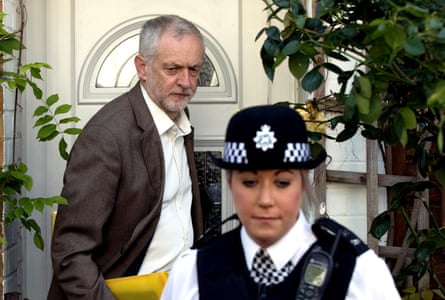
Electoral setbacks and external political events can accelerate leadership transitions by providing contextual justification for removal efforts that might otherwise appear nakedly ambitious or destabilizing. When election results reach sufficiently disastrous levels, MPs can plausibly argue that fresh leadership becomes necessary for party viability, thereby reframing removal efforts as principled responses to electoral realities rather than internal power struggles. This week's election results have intensified such discussions, with multiple MPs privately suggesting that continued underperformance could provide sufficient pretext for organized removal campaigns. The challenge for any coordinating group involves timing such efforts to maximize support while maintaining sufficient plausible deniability about coordination and strategic intent.
Grassroots membership mobilization represents a final potential mechanism for influencing leadership questions, though this approach introduces considerable uncertainty and unpredictability. Labour's membership structure includes substantial numbers of activists and party members who could theoretically be organized to signal dissatisfaction with current leadership. However, mobilizing grassroots support requires sustained organizational infrastructure and messaging discipline that may prove difficult to coordinate. Additionally, party membership composition has shifted considerably over recent years, making outcomes of any membership-based challenge inherently uncertain and potentially producing unexpected results that internal organizers neither predict nor control.
The profound difficulty of removing an incumbent Labour leader explains why organizational attempts remain historically exceptional rather than routine occurrences. Party rules deliberately construct high barriers to leadership challenges, reflecting institutional desires to maintain stability and prevent constant internal power struggles that could damage electoral prospects and party coherence. These protective mechanisms, while potentially frustrating to MPs dissatisfied with current direction, serve important functions in maintaining organizational continuity and preventing destabilizing leadership volatility. Understanding this context helps explain why even substantial dissatisfaction among MPs does not automatically translate into organized removal efforts.
Current circumstances within the Labour Party reflect broader tensions between institutional design protecting leadership stability and internal pressures for change following disappointing election results. MPs anxious about electoral prospects face difficult calculations regarding whether attempting leadership removal serves party interests or creates additional damage through destabilizing internal conflict. These considerations make predicting actual organizational outcomes exceptionally challenging, even when informal conversations reveal substantial private dissatisfaction with current leadership direction and electoral strategy.
Source: The Guardian


