
Lammy Leads Judiciary Diversity Push

David Lammy chairs new board with senior judge to boost recruitment of minority ethnic and working-class solicitors into judiciary.
In a significant move toward greater representation within the British legal system, David Lammy, the nation's first black lord chancellor, has chaired the inaugural meeting of a newly established judicial diversity board. The board, created in direct response to mounting criticism regarding potential bias in the legal system, brings together leading figures committed to fundamentally transforming how the judiciary recruits and develops talent from underrepresented communities.
The establishment of this judicial and legal diversity board marks a watershed moment for the English and Welsh legal profession. Working alongside Lammy is Sue Carr, the Lady Chief Justice and the most senior judge in England and Wales, signaling an unprecedented commitment from the highest echelons of the judiciary to address longstanding diversity gaps. This partnership between political leadership and judicial authority demonstrates a unified determination to dismantle systemic barriers that have historically prevented talented solicitors from minority ethnic backgrounds and working-class communities from ascending to judicial positions.
The board's formation comes amid heightened scrutiny of Lammy's broader judicial reform agenda. Critics had expressed deep concerns that his proposals to significantly reduce jury trials could disproportionately impact minority communities and exacerbate existing racial and class bias within the legal system. The new diversity initiative appears designed to address these concerns by proactively working to ensure the judiciary itself becomes more representative of the communities it serves.
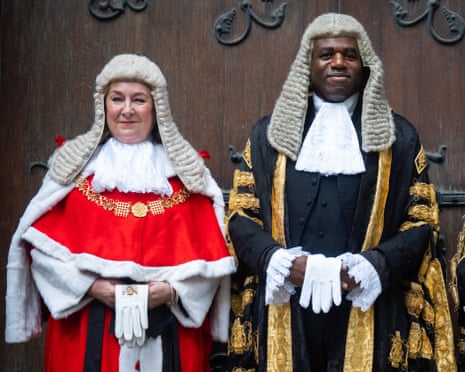
The first meeting of the board focused extensively on identifying and removing institutional barriers that have historically prevented diverse candidates from entering judicial roles. Members discussed concrete strategies to streamline recruitment processes, reduce unnecessary educational prerequisites that may disadvantage working-class applicants, and create mentorship pathways that support candidates from underrepresented backgrounds. These discussions represent more than symbolic gestures; they reflect a genuine commitment to structural reform within one of Britain's most traditionally homogeneous professions.
For decades, the English judiciary has been dominated by individuals from privileged educational backgrounds, with a significant overrepresentation of those educated at elite independent schools and Oxford and Cambridge universities. This lack of diversity has raised persistent questions about whether judges can adequately understand and fairly adjudicate cases involving individuals from different social and ethnic backgrounds. The new board's work directly addresses these concerns by examining how recruitment, training, and career progression systems can be reformed to create genuine pathways for talented individuals regardless of their socioeconomic origins.
The timing of this initiative is particularly significant given recent debates about the future direction of the criminal justice system. Lammy's proposals to reduce jury trials have triggered substantial debate within legal circles and among civil rights advocates. Supporters argue that judicial modernization could improve efficiency, while critics worry that removing juries—which provide representation from ordinary citizens—could lead to outcomes that disproportionately harm marginalized communities. By simultaneously advancing diversity measures, the government signals its intent to ensure that any changes to the judicial system occur alongside efforts to make the judiciary itself more representative.
Sue Carr's prominent role in leading this initiative alongside Lammy underscores the judiciary's institutional buy-in to this agenda. As the Lady Chief Justice, Carr wields significant influence over judicial culture and policy. Her participation signals that diversity improvements are not merely government-imposed mandates but represent genuine commitment from within the judicial establishment itself. This internal support is crucial for implementing meaningful change, as the judiciary has traditionally resisted external pressure for reform.
The board's work will likely focus on several key areas. First, it will examine recruitment practices for solicitors and barristers entering the judiciary, looking for ways to broaden the pool of applicants beyond traditional channels. Second, it will investigate whether existing qualifications and experience requirements inadvertently exclude qualified candidates from working-class and minority ethnic backgrounds. Third, the board will develop mentorship programs and support networks to help diverse candidates navigate the traditionally opaque process of judicial appointment. Finally, it will monitor progress and establish measurable targets for improving diversity across judicial ranks.
The creation of this board also reflects broader recognition that diversity within legal institutions is not merely a matter of social justice—though it certainly is—but also a functional necessity for the proper administration of law. Research consistently demonstrates that more diverse decision-making bodies produce better outcomes and are more trusted by the communities they serve. A judiciary that fails to reflect the diversity of modern Britain risks losing public confidence and legitimacy, particularly among communities that have historically experienced discrimination within the legal system.
This initiative arrives at a moment of considerable change within the British legal profession more broadly. Law firms across the country have increasingly committed to diversity and inclusion efforts, recognizing both moral imperatives and business benefits. However, the judiciary has traditionally lagged behind in these efforts, remaining one of Britain's least diverse professions. The new board's work could help accelerate progress and bring judicial diversity in line with shifting expectations across the broader legal sector.
Looking forward, the success of this initiative will depend on sustained commitment and concrete action beyond initial announcements. The board will need to move quickly from discussion to implementation, establishing clear timelines and measurable outcomes. Additionally, it will need to address not just recruitment but also retention and advancement of diverse professionals within the judiciary. Creating pathways into the profession means little if individuals from underrepresented backgrounds experience discrimination or barriers once they enter judicial roles.
The board's work also has significant implications for public confidence in the legal system. Communities that see themselves reflected in judicial decision-making are more likely to view legal outcomes as legitimate and fair. Conversely, a judiciary that fails to represent the communities it serves risks reinforcing perceptions of systemic bias and institutional exclusion. By prioritizing diversity, Lammy and Carr are making an investment not just in equality but in the fundamental legitimacy and effectiveness of English and Welsh justice.
The establishment of this board represents a meaningful acknowledgment that the British legal system must evolve to meet the expectations of a diverse, modern society. While the road to genuine diversity in the judiciary will undoubtedly be long and require sustained effort, this first meeting marks an important step toward a legal profession that truly represents the full breadth of British society. The commitment of figures as influential as Lammy and Carr suggests that meaningful progress may finally be within reach.
Source: The Guardian


