
Lavrov: US-Russia Ukraine Talks Stalled

Russian Foreign Minister Sergei Lavrov claims diplomatic progress on Ukraine has stalled despite early optimism under Trump administration. Peace negotiations remain deadlocked.
Russian Foreign Minister Sergei Lavrov has delivered a stark assessment of the ongoing diplomatic efforts to resolve the conflict in Ukraine, suggesting that despite initial optimistic rhetoric from the Trump administration regarding US-Russia relations, substantive progress remains elusive. Speaking candidly to Russian state media, Lavrov expressed frustration with what he characterized as a disconnect between promising statements and tangible action, indicating that the Ukraine peace process appears to have reached an impasse.
The comments from Moscow's top diplomat come at a critical moment in international relations, as diplomatic channels between Washington and Moscow have become increasingly scrutinized by global observers. Lavrov emphasized that while both sides have exchanged what he termed "good words" regarding potential cooperation and diplomatic engagement, the reality on the ground tells a different story. His assertion that "nothing is happening in real life" underscores the deep skepticism within Russian circles about the sincerity of American overtures toward resolving the protracted conflict.
The Russian foreign minister's statement reflects growing frustration in Moscow over the pace of US-Russia negotiations on the Ukraine conflict. Despite the change in American leadership and the initial signals of a willingness to engage with Russia on various diplomatic fronts, Lavrov suggested that meaningful dialogue has not translated into concrete steps toward de-escalation. This disconnect between rhetoric and reality has become a central point of contention in international efforts to broker a lasting peace settlement in Eastern Europe.
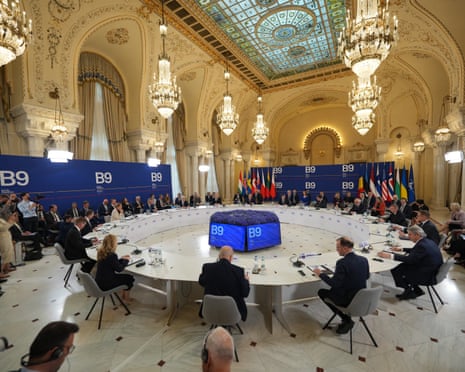
The timing of Lavrov's remarks is particularly significant as leaders from the "Bucharest Nine"—a coalition of Central and Eastern European NATO members—are scheduled to hold substantial discussions with NATO Secretary General Mark Rutte later in the day. This NATO gathering underscores the heightened tensions and strategic concerns that persist throughout the European region, particularly among nations that share borders with Russia or feel directly threatened by Russian military posturing. The convergence of these diplomatic events highlights the complex web of competing interests and security concerns that characterize the current geopolitical landscape.
The Bucharest Nine grouping comprises nine NATO member states that have historically aligned on issues related to Russian military aggression and the importance of maintaining strong collective defense mechanisms. Their anticipated meeting with Rutte is expected to focus on strengthening NATO's eastern flank and discussing continued support for Ukraine's defense capabilities. The alliance's commitment to standing against Russian aggression has remained unwavering, despite diplomatic overtures that suggest potential avenues for negotiation.
Lavrov's assessment of the diplomatic stalemate reflects deeper structural challenges in Russia-Ukraine conflict resolution efforts. The fundamental disagreements between Moscow and Kyiv on core issues—including territorial integrity, security guarantees, and the status of disputed regions—have proven resistant to compromise. Russian demands for recognition of territorial gains and NATO's commitment to exclude Ukraine from its membership have been consistently rejected by Western allies and Ukrainian leadership, creating seemingly insurmountable obstacles to negotiated settlement.
The international community's varied responses to the conflict have further complicated peace negotiations on Ukraine. While some nations have advocated for diplomatic engagement and dialogue, others have maintained firm positions supporting Ukraine's sovereignty and territorial integrity without compromise. The European Union and NATO member states have largely aligned with this latter perspective, viewing any territorial concessions as rewarding aggression and setting dangerous precedents for future conflicts.
Trump administration officials have previously indicated interest in facilitating negotiations to end the war, suggesting that they might pursue different diplomatic strategies than their predecessors. However, Lavrov's comments suggest that these overtures have not yet materialized into substantive negotiations or agreements. The gap between diplomatic ambitions and practical outcomes remains significant, reflecting the complexity of the underlying issues and the entrenched positions of the parties involved.
The broader context of European security concerns cannot be overlooked when evaluating these diplomatic developments. NATO's eastern member states have expressed deep anxiety about potential agreements that might compromise their security interests or set precedents for Russian aggression in other regions. The Bucharest Nine's engagement with NATO leadership suggests a desire to ensure that any diplomatic initiatives do not come at the expense of their collective security and sovereignty.
Historical precedent shapes current anxieties about diplomatic engagement with Russia. Past agreements and treaties have sometimes been interpreted differently by various parties or violated outright, leading to mistrust of purely diplomatic solutions without robust verification mechanisms and enforcement provisions. These historical lessons inform the cautious approach taken by many NATO members and Ukraine itself toward negotiations with Russia.
Looking forward, the diplomatic landscape appears likely to remain contested and difficult. Lavrov's statement serves as both a reflection of current stalled negotiations and a potential signal of Russia's assessment that the diplomatic opening with the Trump administration may not yield the outcomes Moscow had hoped for. As the international community continues to grapple with this protracted conflict, the gap between diplomatic hopes and geopolitical realities remains stark and challenging.
Source: The Guardian


