
Lebanon Accuses Israel of War Crimes in Journalist Airstrike

Lebanon's PM condemns Israel after journalist killed in airstrike. IDF attacks on Red Cross vehicles hamper rescue operations at the scene.
Lebanon's government has leveled serious accusations against Israel following a devastating airstrike that resulted in the death of a journalist and significantly impeded humanitarian rescue operations in the region. The incident involving the targeting of a journalist has intensified tensions between the two nations and raised international concerns about compliance with humanitarian law during military operations.
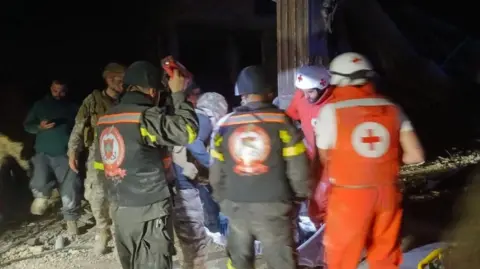
According to Lebanon's Prime Minister, the IDF attacks targeted not only the journalist but also struck Red Cross vehicles that were attempting to provide emergency assistance and conduct rescue operations at the scene. These coordinated strikes effectively prevented humanitarian workers from accessing the affected area, leaving casualties without immediate medical attention and emergency support during the critical hours following the initial attack.
The Prime Minister's office released a statement characterizing the military action as a violation of international humanitarian law and accusing Israel of committing war crimes through the deliberate targeting of both civilian personnel and humanitarian aid workers. The accusation centers on the apparent coordination of multiple strikes designed to maximize civilian impact while simultaneously preventing rescue and recovery operations from proceeding effectively.
The incident underscores the ongoing humanitarian challenges facing Lebanon amid escalating military tensions with Israel. The targeting of the Red Cross vehicles represents a particular concern for international humanitarian organizations, as it directly obstructed their ability to provide life-saving medical care and assistance to injured civilians in the immediate aftermath of the airstrike.
Red Cross operations have become increasingly critical in providing emergency medical services and humanitarian assistance throughout the region. The organization's presence is typically protected under international law, and attacks on their vehicles or personnel are considered serious violations of the Geneva Conventions. The deliberate obstruction of Red Cross operations represents a concerning escalation in the conflict's intensity and scope.
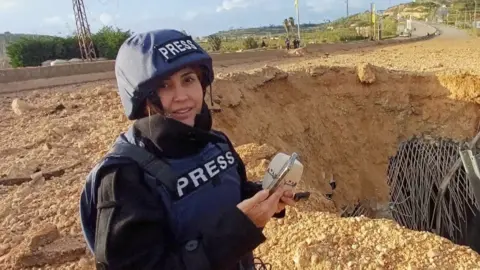
The journalist killed in the strike was reportedly covering the humanitarian crisis and military operations in the region, documenting the impact of the conflict on civilian populations. Journalists operating in conflict zones perform an essential function in bearing witness to events and informing the global community about the humanitarian consequences of warfare. The targeting of media personnel raises alarming questions about freedom of the press and the safety of those reporting from dangerous areas.
International bodies and human rights organizations have expressed serious concern about the escalating military actions affecting civilian populations and humanitarian infrastructure. Multiple independent observers are calling for comprehensive investigations into the circumstances surrounding the airstrike and the subsequent obstruction of rescue operations to determine whether international humanitarian law has been violated.
Lebanon's government has indicated that it intends to pursue accountability through international channels, including appeals to the United Nations and other international organizations. The escalation represents a significant moment in the ongoing dispute between the two nations, with potential implications for regional stability and international humanitarian law precedents.
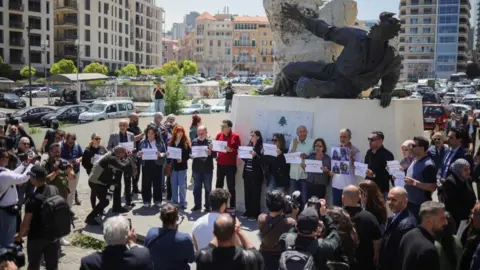
The incident has sparked widespread condemnation from humanitarian organizations and human rights advocates who emphasize the paramount importance of protecting civilian infrastructure, medical personnel, and rescue workers during armed conflicts. These protections are fundamental principles enshrined in international humanitarian law and the Geneva Conventions, which seek to minimize civilian suffering during periods of military conflict.
The blocking of humanitarian access and rescue efforts compounds the immediate tragedy of the journalist's death by preventing other potential survivors from receiving emergency medical treatment. This dual impact demonstrates a coordinated strategy that humanitarian observers view as deliberately exacerbating the civilian toll of the military operations and preventing life-saving interventions.
Regional analysts suggest that the incident may further deteriorate already tense relations between Lebanon and Israel, potentially leading to expanded conflict and additional civilian casualties. The international community has called for restraint and a return to diplomatic channels to address the underlying disputes that have contributed to the escalation of military hostilities in the region.
The Prime Minister's accusation of war crimes allegations places significant diplomatic pressure on Israel and could trigger international investigations. Such formal accusations typically lead to requests for independent assessments and potential interventions by international legal bodies focused on accountability for violations of humanitarian law and protection of civilian populations during armed conflicts.
As the situation develops, both humanitarian organizations and international observers are monitoring the region closely for additional incidents and evaluating the broader implications for civilian protection standards. The apparent targeting of rescue and humanitarian operations suggests a concerning pattern that warrants immediate international attention and intervention to ensure compliance with established international humanitarian law and the protection of civilian populations and humanitarian workers.
Source: BBC News


