
Lebanon Claims Israel Blocked Rescue of Trapped Journalist

Israeli strikes in southern Lebanon injure journalists and trap one under rubble. Lebanon accuses Israel of blocking rescue efforts while military denies allegations.
A significant escalation in the ongoing conflict between Israel and Lebanon has resulted in journalists becoming casualties of military operations, raising serious concerns about press freedom and humanitarian access during active combat situations. On Wednesday, Israeli strikes in southern Lebanon left two journalists injured, with one trapped beneath debris for several hours in a dangerous situation that drew international attention to the risks facing media professionals in conflict zones.
According to statements from Lebanon's health ministry and senior military officials, the Israeli military attack directly targeted an area where journalists were operating, leaving one reporter, Amal Khalil, buried under rubble while her colleague Zeinab Faraj sustained injuries from the blast. The incident has prompted urgent calls from press advocacy groups and Lebanese authorities for clarification regarding military operations and civilian protection protocols in active war zones.
The most contentious aspect of the incident involves accusations that rescue operations were deliberately obstructed by ongoing Israeli fire, preventing emergency responders from safely accessing the trapped journalist and providing immediate medical assistance. Lebanese officials claim that rescue teams attempting to reach the scene faced sustained bombardment, creating an impossible situation for first responders trying to extract survivors from the rubble.
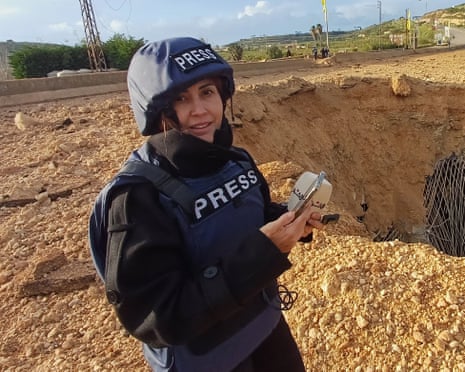
In response to these allegations, Israel's military issued a formal statement acknowledging that it had received reports indicating two journalists were injured during its military operations in the region. The Israeli Defense Forces categorically denied the accusations that it was intentionally preventing rescue and humanitarian efforts from reaching the affected area, describing such claims as inaccurate characterizations of their operational procedures.
The Israeli military statement emphasized that it operates under strict protocols designed to minimize civilian casualties and allow for humanitarian access whenever possible during active military campaigns. A spokesperson for the Israeli Defense Forces indicated that any reports of blocked rescue operations may have been the result of misunderstandings about the active combat zone rather than deliberate obstruction of emergency response efforts.
This incident underscores the dangerous environment that journalists operating in conflict zones face while attempting to document events and provide crucial information to the international community. Media professionals undertaking reporting assignments in active war zones operate under extraordinary risk, often finding themselves in situations where military operations and news gathering activities intersect with tragic consequences.
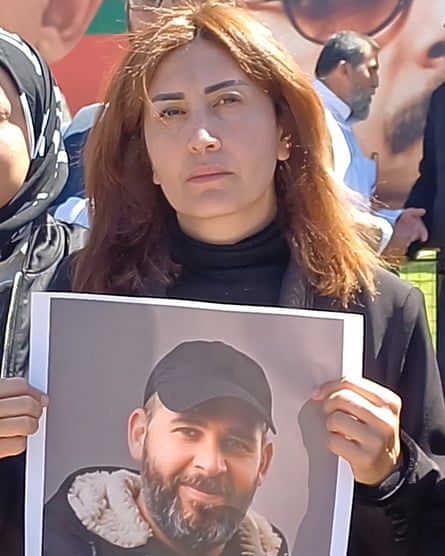
The situation highlights ongoing tensions between military operations and press freedom, a critical issue that international humanitarian organizations and press freedom advocates have emphasized repeatedly. The ability of journalists to safely conduct their work while documenting conflict is essential for maintaining informed public discourse and accountability regarding military actions and their humanitarian impact.
Lebanese authorities and international press organizations have called for immediate investigation into the circumstances surrounding the incident, demanding clarity on whether appropriate measures were taken to protect journalists and facilitate rescue operations. These demands reflect broader concerns about adherence to international humanitarian law and the Geneva Conventions, which establish specific protections for civilians and medical personnel during armed conflicts.
The trapped journalist's ordeal lasted several hours before rescue teams were eventually able to extract her from the rubble, though the exact timeline and circumstances of her eventual rescue remain subjects of dispute between Israeli and Lebanese accounts. Medical teams provided emergency treatment to both injured journalists, with reports indicating varying degrees of injury severity requiring ongoing medical evaluation and care.
This incident contributes to an increasingly troubling pattern of civilian casualties in the Israeli-Lebanon conflict, where mounting tensions have resulted in repeated escalations and mutual accusations of violations. Both parties have blamed each other for disregarding civilian protection responsibilities, creating a situation where independent verification of claims becomes increasingly difficult.
International human rights organizations have called for urgent intervention to establish safe corridors for humanitarian workers and journalists, emphasizing the need for all parties to the conflict to respect international law regarding civilian protection. The incident raises fundamental questions about the feasibility of independent journalism in active conflict zones and the measures necessary to ensure journalists can perform their essential function safely.
As tensions between Israel and Lebanon continue to escalate, the situation of journalists and other civilian workers in the region remains precarious. The competing claims regarding rescue operation obstruction highlight the challenges in obtaining accurate information during active military operations and the need for independent investigation and transparent reporting from all parties involved in the conflict.
Source: The Guardian


