
Lebanon Death Toll Exceeds 3,000 in Israel Conflict

Israeli strikes on Lebanon have killed over 3,000 people since March. The death toll marks a tragic milestone despite an ongoing ceasefire agreement.
The humanitarian crisis in Lebanon has reached a devastating new threshold as the death toll from Israeli strikes has surpassed 3,000 people, according to Lebanese government officials and health authorities. This grim milestone represents one of the most significant loss of life in the region's recent conflict history, underscoring the severe human cost of the ongoing military operations between Israel and the militant organization Hezbollah. The figure comes amid international concern about civilian casualties and the humanitarian situation affecting millions of Lebanese residents.
The escalation of violence between Israel and Hezbollah began in March of this year, marking a significant intensification of hostilities that had previously remained relatively contained. What makes this current phase particularly alarming is that the casualty figures continue to mount even as a nominal ceasefire agreement has been formally established between the two parties. The persistence of deaths despite the supposed ceasefire suggests either continued violations of the agreement or delays in its full implementation across all affected areas.
Officials from the Lebanese Ministry of Health and various international humanitarian organizations have been documenting the casualties with meticulous detail, categorizing victims by location, time of incident, and cause of death. The Israeli military strikes on Lebanon have targeted various locations including civilian areas, infrastructure, and suspected militant positions. Medical professionals working in Lebanese hospitals have reported being overwhelmed by the volume of injured patients requiring treatment, with many facilities operating beyond capacity.
The conflict between Israel and Hezbollah, a Lebanese political party and armed organization backed by Iran, has deep historical roots extending back decades. However, the intensity of the current Israel-Hezbollah conflict represents a significant escalation from previous years. The military engagements have expanded beyond border skirmishes to include large-scale bombing campaigns and coordinated strikes affecting populated civilian centers throughout Lebanon.
Hezbollah, which maintains a significant political presence in the Lebanese government while also operating as a military force, has responded to Israeli strikes with its own attacks, creating a cycle of escalating violence. The organization has launched rockets and drone strikes into Israeli territory, prompting retaliatory responses from the Israeli Air Force and military. This tit-for-tat dynamic has characterized much of the conflict since March, with each side claiming to be responding to provocations from the other.
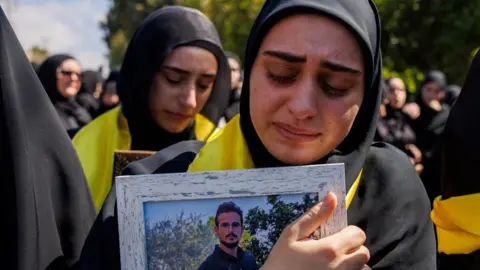
The human impact of the Lebanese casualties extends far beyond the death toll figures. Thousands more have been injured, many suffering from severe wounds that will require long-term medical care and rehabilitation. Entire families have been displaced from their homes, creating a refugee crisis within Lebanon as people flee affected areas seeking safety. The destruction of homes, hospitals, schools, and other essential infrastructure has compounded the humanitarian emergency facing the Lebanese population.
International humanitarian organizations, including the United Nations and various non-governmental aid groups, have expressed grave concerns about the humanitarian situation in Lebanon. These organizations have called for stronger protections for civilians and greater adherence to international humanitarian law. The ceasefire agreement, while intended to halt the violence, has proven fragile, with reports of continued military operations in certain regions despite the official truce.
The Lebanese government has faced criticism both domestically and internationally regarding its capacity to respond to the crisis. The country has been grappling with severe economic challenges, political instability, and a weakened state apparatus even before the current conflict intensified. These pre-existing conditions have made it significantly harder for authorities to provide adequate medical care, shelter, and humanitarian assistance to those affected by the military operations.
Regional powers have watched the conflict with varying degrees of concern and involvement. Iran, Syria, and other actors have maintained their own interests in the outcome, while Western nations and the broader international community have called for de-escalation. The Israel-Lebanon crisis threatens to destabilize the entire Middle Eastern region if it continues to escalate beyond current levels. Diplomatic efforts from various international mediators have attempted to strengthen and enforce the ceasefire agreement.
The accuracy of casualty figures remains a point of discussion among various organizations monitoring the conflict. While Lebanese officials report over 3,000 deaths, different sources may compile statistics using different methodologies or have access to varying levels of information. International fact-checking organizations and human rights groups continue to investigate individual incidents to establish reliable death toll figures and document potential war crimes or violations of international law.
Medical facilities throughout Lebanon have been severely strained by the influx of casualties resulting from the Israeli military operations. Many hospitals have reported shortages of critical medical supplies, blood supplies, and surgical equipment. Healthcare workers, many of whom have themselves been affected by the violence or lost colleagues, continue to work under extreme stress and dangerous conditions to treat the wounded. Several medical facilities have themselves become targets or been damaged in the strikes.
The psychological toll on the Lebanese population cannot be underestimated as a consequence of the prolonged conflict. Trauma, anxiety, and post-traumatic stress disorder affect not only direct victims but entire communities exposed to the violence. Children have been particularly affected, with many experiencing disrupted education and developmental impacts from the ongoing crisis. Mental health services, already limited in Lebanon, have become even more strained as demand surges.
The economic consequences of the conflict compound the humanitarian crisis affecting Lebanon. Businesses have been destroyed, employment opportunities have disappeared, and trade has been disrupted. The Lebanese currency has faced additional pressure, making it even harder for ordinary citizens to afford basic necessities. The broader regional stability concerns created by the death toll and continued violence have also impacted investor confidence and economic activity throughout the Middle East.
Looking forward, the international community faces critical questions about how to enforce the ceasefire agreement and prevent further escalation. Calls for stronger United Nations involvement, expanded monitoring mechanisms, and robust diplomatic engagement have grown more urgent. The Lebanon humanitarian crisis serves as a stark reminder of the human cost of military conflict and the importance of sustained diplomatic efforts to achieve lasting peace in one of the world's most volatile regions.
Source: BBC News


