
Lebanon's South Stands by Hezbollah Despite Israeli Conflict

As ceasefire efforts collapse, southern Lebanese communities maintain unwavering support for Hezbollah, viewing the group as their sole defense against Israeli military operations.
In the aftermath of repeated ceasefire collapses and ongoing Israeli military operations, the southern regions of Lebanon continue to demonstrate remarkable resilience and steadfast support for Hezbollah. Despite the devastating toll of sustained conflict, prolonged occupation concerns, and the daily threat of aerial bombardments, residents in these war-torn communities remain convinced that the armed organization represents their only viable defense mechanism against external aggression. This deep-rooted trust reflects decades of complex historical relationships and the perceived absence of alternative protective forces in the region.
The persistence of Hezbollah support in south Lebanon despite deteriorating security conditions reveals the intricate dynamics of community trust and survival strategies in conflict zones. Residents frequently articulate their belief that only the well-organized militant infrastructure maintained by Hezbollah can effectively counter Israeli military capabilities. This conviction has been reinforced through generations of conflict, creating a cultural and political framework where the organization is viewed not merely as a political entity but as an essential institution for survival and territorial sovereignty.
Throughout the southern Lebanese villages and towns that have endured repeated cycles of violence, community leaders and ordinary citizens alike continue to emphasize that despite the ceasefire collapse, Hezbollah remains indispensable to their security architecture. The group's military wings have established themselves as the primary resistance force capable of responding to Israeli incursions, a reality that shapes public opinion and political consciousness throughout the region. Even families who have lost loved ones to the escalating conflict frequently maintain their conviction that the organization's deterrence capability provides essential protection.
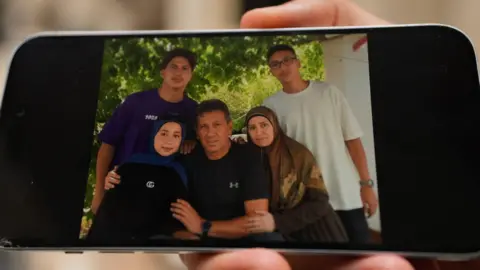
The Israeli-Hezbollah conflict dynamics have created a unique situation where civilian populations find themselves caught between military operations yet simultaneously supportive of one of the primary combatants. This paradoxical relationship stems from a combination of factors including historical grievances, perceived external threats, and the absence of robust state institutions capable of providing adequate defense. Southern Lebanese communities have historically borne the brunt of regional tensions, making them particularly susceptible to narratives emphasizing Hezbollah's role as a protective force against what they perceive as existential threats.
Analysis of public sentiment in these regions demonstrates that civilian support for Hezbollah persists even when military activities generate significant collateral damage and economic hardship. Multiple interviews with residents reveal a complex understanding of their situation—acknowledging the dangers posed by ongoing conflict while simultaneously maintaining that surrender of Hezbollah's military capabilities would render them defenseless against Israeli military superiority. This calculation reflects rational assessment of regional power dynamics and historical patterns of intervention.
The failure of successive ceasefire initiatives has paradoxically strengthened public conviction that negotiated settlements cannot adequately protect southern Lebanese interests. Each collapsed agreement reinforces community belief that only maintaining military deterrence through Hezbollah provides genuine security guarantees. The organization has successfully cultivated a narrative positioning itself as the guardian of Lebanese sovereignty, a role that resonates powerfully with populations experiencing prolonged insecurity and military threats.
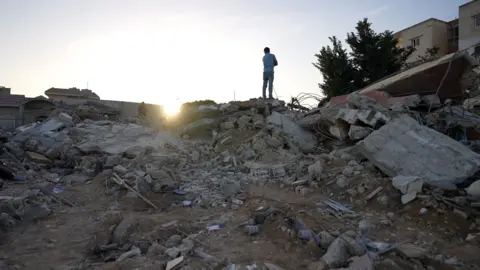
The occupation concerns in southern Lebanon remain paramount in shaping public opinion regarding Hezbollah's continued relevance. Residents frequently reference historical periods of Israeli military presence and territorial control, viewing Hezbollah's armed capacity as the primary mechanism preventing renewed occupation scenarios. This historical consciousness creates a powerful constituency supporting the organization's military activities, even when such support entails accepting significant personal risks and economic costs.
Socioeconomic dimensions of the conflict further entrench Hezbollah support within southern communities. The organization provides extensive social services, healthcare, educational facilities, and welfare programs that function as substitutes for inadequate state institutions. This comprehensive welfare architecture creates multiple layers of institutional dependence and genuine gratitude that extend beyond security considerations into basic social provision. Families relying on Hezbollah-affiliated clinics, schools, and charitable organizations maintain loyalty rooted in practical necessity as much as political conviction.
The ceasefire failure impact on civilian populations has been severe, yet communities consistently blame external actors rather than directing frustration toward Hezbollah. This attribution pattern reflects sophisticated understanding of asymmetric power relationships and perceived external responsibility for regional instability. Residents articulate arguments that Israel, as the militarily dominant party with greater capacity to impose peace, bears primary responsibility for ceasefire breakdowns and sustained conflict perpetuation.
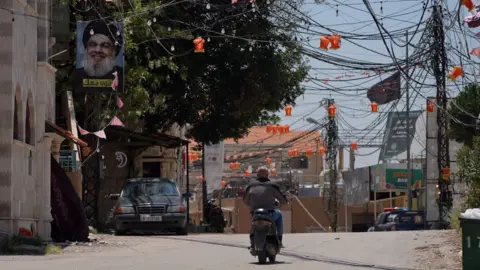
Youth populations in southern Lebanon demonstrate particularly robust support for Hezbollah, viewing the organization as representative of resistance to perceived foreign domination. This generational dimension suggests that Lebanese resistance movements will likely maintain substantial popular backing even as immediate conflict episodes conclude. Young people frequently express pride in Hezbollah's military capabilities and view support for the organization as compatible with Lebanese national identity and regional dignity.
International humanitarian assessments have documented the severe civilian toll of ongoing conflict, yet this documentation does not substantially alter public support for Hezbollah within affected communities. Instead, such reports often intensify conviction that military capacity must be preserved to prevent even more devastating outcomes. The logic of deterrence appears stronger than concerns about escalation, suggesting that security calculations dominate ethical considerations within populations experiencing prolonged conflict exposure.
Political analysts specializing in Levantine dynamics argue that southern Lebanese communities face genuinely constrained choices regarding security arrangements. Without credible international guarantees, robust Lebanese state military capacity, or alternative protective frameworks, many residents conclude that Hezbollah represents their least-bad option for ensuring territorial integrity and personal safety. This assessment reflects pragmatic rather than ideological positioning, though the distinction often proves difficult to maintain in conflict environments.
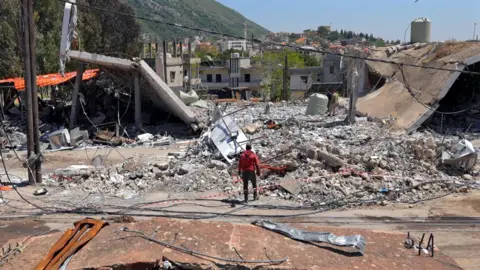
The enduring support for Hezbollah in southern Lebanon reveals fundamental realities about conflict dynamics, community resilience, and the limitations of external conflict resolution efforts. As long as underlying security concerns persist without alternative solutions, populations will continue supporting organizations they perceive as capable of addressing existential threats. The Israeli-Lebanese tensions therefore appear positioned to generate sustained institutional support for Hezbollah regardless of short-term military outcomes or diplomatic initiatives, reflecting deeper patterns of regional instability and community determination to preserve autonomy.
Source: BBC News


