
Lebanon Seeks Diplomatic Solution to Hezbollah Conflict with Israel

Lebanon's President Aoun proposes talks with Israel to find a path towards long-term security and stability, as Israel continues airstrikes targeting Hezbollah.
In a bold move to address the ongoing tensions between Lebanon and Israel, President Michel Aoun has called for diplomatic talks to find a solution to the conflict with Hezbollah. The announcement comes amid a series of Israeli airstrikes targeting the Iran-backed militant group, which has been a source of instability in the region for years.
Aoun outlined a plan that he believes could lead to "permanent security and stability" in the area, a crucial step towards restoring normalcy and prosperity in a country that has long been ravaged by conflict. The proposed talks would aim to address the root causes of the tensions, finding a mutually acceptable resolution that satisfies the concerns of both Lebanon and Israel.
"We are ready to engage in serious and constructive discussions with our neighbor Israel, under the auspices of the United Nations, to reach a permanent ceasefire agreement and establish lasting peace," Aoun said in a statement. The president emphasized the importance of international involvement and oversight to ensure the integrity of the process and the implementation of any resulting agreements.
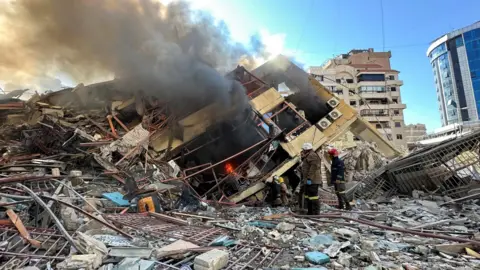
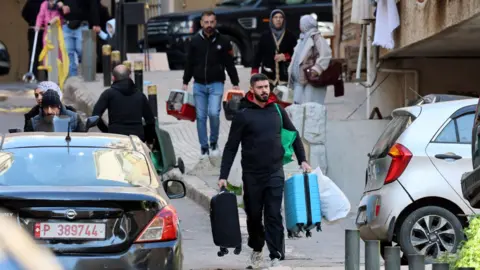
The call for talks comes as Israeli airstrikes continue to target Hezbollah positions and infrastructure in Lebanon, raising concerns about the escalation of the conflict. Israel has long regarded Hezbollah as a major threat to its security, and has carried out numerous attacks against the group's facilities and personnel over the years.

Hezbollah, for its part, has vowed to retaliate against any Israeli aggression, further heightening the tensions. The group's vast arsenal of rockets and missiles, as well as its deep-rooted presence in Lebanon, have made it a formidable adversary for the Israeli military.
Analysts believe that the proposed talks, if successful, could pave the way for a more stable and secure future in the region. By addressing the underlying causes of the conflict and finding a diplomatic solution, both Lebanon and Israel could potentially avoid further bloodshed and destruction.
However, the path to a lasting peace is likely to be fraught with challenges, as both sides have deeply entrenched positions and a history of mistrust. The involvement of the international community, including the United Nations, will be crucial in facilitating the negotiations and ensuring that any agreement is respected and implemented.
As the world watches closely, the fate of Lebanon and the future of the region hang in the balance. The success or failure of these proposed talks could have far-reaching consequences, not only for the two countries involved but for the broader Middle East as well.
Source: BBC News


