
Lee Lai Makes History: First Non-Binary Stella Prize Winner

Lee Lai becomes first non-binary person and graphic novelist to win prestigious Stella Prize 2026 for her groundbreaking work Cannon.
In a landmark moment for Australian literature, Lee Lai has achieved a historic double distinction by becoming the first non-binary writer to win the prestigious Stella Prize in 2026. Her innovative graphic novel Cannon also marks the first time a graphic novel has ever claimed the coveted $60,000 award, which celebrates the most outstanding literary work by women and non-binary writers in Australia. This groundbreaking achievement represents a significant step forward in recognizing diverse voices and artistic formats within the contemporary literary landscape.
The Stella Prize has long served as a beacon for emerging and established female voices in Australian publishing, and Lai's win expands the boundaries of what constitutes literary excellence within the award's framework. Her work demonstrates that genre-bending storytelling and innovative visual narratives deserve equal recognition alongside traditional prose-based literature. The award itself, valued at $60,000, provides crucial financial support and prestige for the winning author, elevating their profile within both Australian and international literary circles. Lai's selection by the judging panel signals a fundamental shift in how the literary establishment evaluates and celebrates creative expression.
Cannon presents a deeply introspective examination of contemporary life through the eyes of its protagonist, a queer Chinese-Canadian woman navigating the complexities of identity, family obligation, and personal agency. The narrative follows Lucy—known to the world as Cannon, a nickname she inherited along with the burdensome expectations it carries—as she moves through her days in Montreal, perpetually caught between the demands of others and her own suppressed desires. Through Lai's distinctive visual storytelling approach, readers witness the internal struggles of a young woman caught in a web of familial responsibility, emotional labor, and unspoken resentment.

At the heart of Cannon's narrative lies a exploration of female repression and the quiet rage that accompanies the perpetual sacrifice of one's own needs for the welfare of others. The protagonist's life is structured around caregiving and servitude—by day, she tends to her gung-gung, her maternal grandfather, a once-authoritative figure now diminished by age and illness. This responsibility falls entirely on her shoulders, with her emotionally distant mother conspicuously absent from any meaningful participation in his care. The graphic novel captures the silent frustration that accumulates through these daily interactions, the small indignities and exhaustions that compose a life lived in service to others rather than for oneself.
Beyond her family obligations, Cannon's evenings are consumed by her employment in the kitchen of an upscale restaurant, where she must transform chaos into culinary precision and order. Her professional life demands the same qualities her family extracts from her—competence, reliability, and an almost supernatural ability to manage complexity with minimal recognition. The restaurant setting becomes a metaphor for the broader systems that exploit her labor and require her compliance, whether through economic necessity or social expectation. Lai's visual representation of these spaces—the cramped domestic quarters of her grandfather's room, the high-pressure kitchen environment—communicates the psychological weight of these obligations through artistic composition and visual narrative.
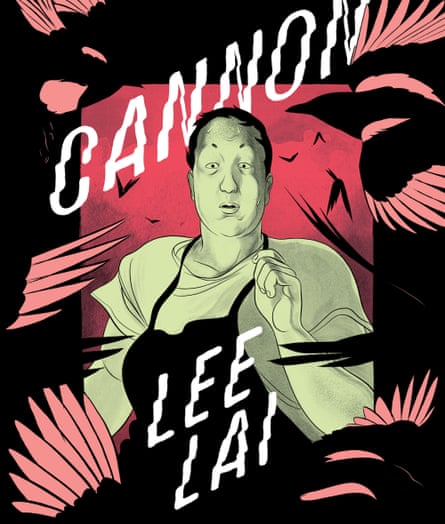
Complicating Cannon's already fraught emotional landscape is her relationship with her longtime best friend Trish, a relationship that reveals itself to be more transactional than reciprocal. Trish uses Cannon as an emotional repository, unloading her anxieties, frustrations, and personal crises onto her friend with the assumption of unconditional support. However, what Cannon doesn't initially realize—and what Lai gradually reveals through the graphic narrative—is that Trish is simultaneously mining Cannon's life for material, transmuting her friend's genuine suffering and complicated experiences into creative content for her own writing career. This betrayal-within-intimacy adds another layer to the novel's examination of how women, particularly women from marginalized communities, have their experiences commodified and repurposed by those around them.
Lai's achievement with Cannon represents a crucial validation of graphic storytelling as a legitimate and powerful medium for exploring complex emotional and social themes. For decades, graphic novels occupied an ambiguous space within literary hierarchies, often dismissed as commercial entertainment rather than serious art or literature. Yet Lai's work demonstrates the unique capacity of visual narrative to communicate psychological interiority, emotional nuance, and social critique in ways that complement and sometimes exceed what prose alone can accomplish. The combination of text and image creates a multi-layered reading experience that engages both intellectual and intuitive faculties.
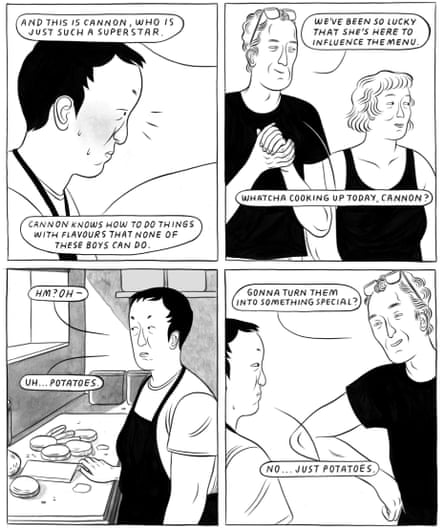
The significance of Lai's non-binary identity being publicly recognized through this prestigious award cannot be overstated. For too long, literary prizes and cultural institutions have operated within narrow definitions of identity and experience, often excluding or marginalizing non-binary voices and perspectives. By honoring Lai's work, the Stella Prize acknowledges that non-binary writers contribute essential narratives and artistic innovations to the literary ecosystem. This recognition has immediate practical implications—increased publication opportunities, speaking engagements, academic interest, and financial security—but it also carries symbolic weight for the broader community of non-binary artists seeking validation and visibility within mainstream cultural institutions.
The $60,000 prize money provides tangible support that allows Lai to continue her creative practice without the financial pressures that often force artists into compromising employment or silence their voices. This financial recognition acknowledges the years of work, artistic development, and emotional labor that culminated in Cannon's completion and publication. For many writers and artists, particularly those from marginalized communities, financial support is essential for sustainable creative practice. The prize money can fund further projects, provide time for research and development, or simply offer the breathing room necessary for artistic growth and experimentation.
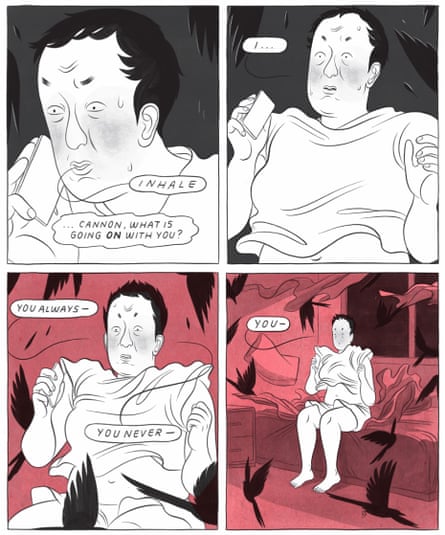
Looking forward, Lai's Stella Prize win is likely to open doors within the Australian and international literary publishing industries. Publishers will be more invested in her future work, literary festivals and academic institutions will seek her participation, and readers who might not have discovered Cannon otherwise will now have access to her distinctive voice and artistic vision. The award functions as a kind of literary endorsement, signaling to broader audiences that this work merits serious attention and engagement. This increased visibility and opportunity represents a tangible outcome of institutional recognition, transforming the abstract prestige of the award into concrete professional advancement.
The 2026 Stella Prize decision also reflects evolving conversations within literary communities about what stories matter, whose voices deserve amplification, and how we define literary achievement in the contemporary moment. By selecting a graphic novel by a non-binary writer, the award's judging panel demonstrated commitment to expanding rather than contracting the boundaries of what literature encompasses. This openness to innovation and diversity in both form and identity strengthens the literary establishment, bringing fresh perspectives and previously excluded narratives into conversation with the broader cultural conversation. Lee Lai's historic win represents not merely an individual achievement but a meaningful shift in how Australian literary institutions recognize and celebrate creative excellence.
Source: The Guardian


