
Legendary Composer Sues Comedian Over Iconic 'Lion King' Song Misrepresentation

Grammy winner Lebo M seeks over $20M in damages from Zimbabwean comedian Learnmore Jonasi for allegedly misrepresenting the meaning of 'Circle of Life' chant from 'The Lion King'.
Lebo M, the Grammy-winning South African composer who wrote and performed the opening chant in Circle of Life for Disney's The Lion King, is suing a comedian for allegedly damaging his reputation by intentionally misrepresenting the song's meaning on a podcast and in his standup routine.
Lebohang Morake's lawsuit accuses the Zimbabwean comedian Learnmore Mwanyenyeka, known as Learnmore Jonasi, of intentionally mistranslating the chant, which launches the 1994 movie and is central to staged versions as well as Disney's 2019 remake.
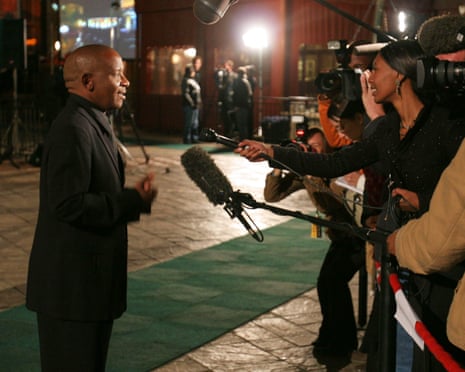
The lawsuit seeks more than $20 million in damages, alleging that Jonasi's misrepresentation of the Circle of Life chant has damaged Lebo M's reputation and earning potential. Lebo M, who has worked on numerous The Lion King projects over the years, claims Jonasi's comments on podcasts and in his comedy routines have spread misinformation about the iconic song's meaning and origin.
In the lawsuit, Lebo M states that the chant is a celebration of the "circle of life" concept central to the The Lion King story, and that Jonasi's claims that it actually refers to something more vulgar or controversial are false and defamatory. The composer is seeking damages for lost income, as well as an injunction to prevent Jonasi from continuing to misrepresent the song.
This legal battle underscores the importance of accurately representing and respecting the creative work of artists, especially when it comes to beloved cultural touchstones like The Lion King. Lebo M's lawsuit aims to protect both his reputation and the integrity of the iconic music he helped create for one of Disney's most successful franchises.
As the dispute unfolds, it will be interesting to see how the courts rule on the matter and whether Lebo M is able to obtain the substantial damages he is seeking. The outcome could have broader implications for how artists' work is portrayed and the legal recourse available when that work is allegedly misrepresented.
Source: The Guardian


