
Lego Batman: Dark Knight's New Open World Adventure

Lego Batman reimagines the Dark Knight with Arkham-style gameplay, fan-favorite moments, and innovative mechanics. Explore the evolution of this anticipated game.
Lego Batman: Legacy of the Dark Knight arrives as an ambitious reimagining that weaves together the beloved character's most iconic moments while introducing a revolutionary open-world experience. This latest entry in the Lego gaming franchise represents a significant departure from traditional linear Lego game design, instead drawing inspiration from the critically acclaimed Arkham series to create an immersive Gotham City experience that fans have long anticipated.
The game takes players on a comprehensive journey through Batman's legendary history, presenting his origin story as the central narrative framework. Rather than simply retelling familiar tales, the developers have carefully curated a selection of the Dark Knight's greatest hits, weaving them together into a cohesive narrative that respects both longtime fans and newcomers to the franchise. This approach allows the game to serve as both a love letter to Batman enthusiasts and an accessible entry point for players unfamiliar with the character's extensive cinematic and comic book legacy.
One of the most striking features of Legacy of the Dark Knight is its integration of Arkham-style open world gameplay mechanics. The developers recognized that the traditional Lego formula, while charming and successful, had reached a point where evolution was necessary. By adopting the exploration and progression systems popularized by Rocksteady's Arkham games, the new Lego Batman title offers players unprecedented freedom in how they approach missions and interact with Gotham City's sprawling environments.
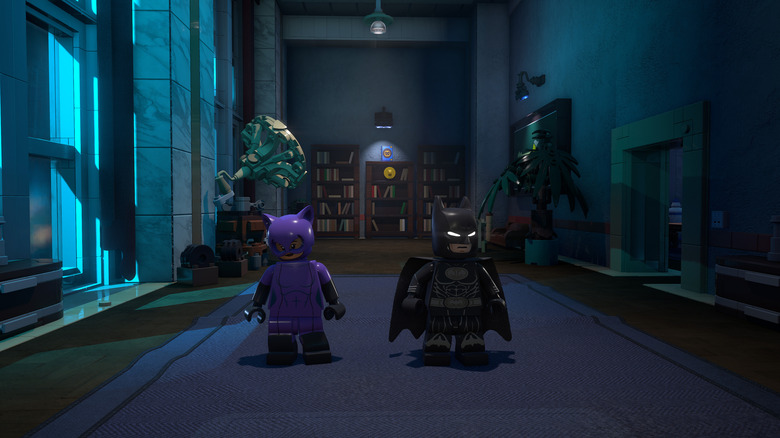
The gameplay upgrades present in this iteration go far beyond mere cosmetic changes or incremental improvements. The development team has fundamentally restructured how players interact with the game world, introducing dynamic mission systems that allow for multiple approaches to objectives. Whether you prefer direct confrontation, stealth infiltration, or puzzle-solving, the game accommodates various playstyles with surprising depth and flexibility.
Gotham City itself has been meticulously recreated as a living, breathing environment filled with fan service elements that celebrate Batman's rich cultural history. From iconic locations like Wayne Manor and the Batcave to lesser-known landmarks from the comics and films, every corner of the map rewards exploration with collectibles, side quests, and character encounters. This level of environmental detail transforms the open world from a mere backdrop into a character itself, one that tells the story of Batman's world through its architecture and design.
Character progression has also received significant attention in Legacy of the Dark Knight. Rather than simply unlocking new characters, players now engage with a deep progression system that allows Batman and his allies to develop meaningful skills and abilities. The implementation of this system maintains the Lego franchise's trademark accessibility while introducing layers of complexity that appeal to veteran players seeking greater strategic depth.
The roster of playable characters extends well beyond Batman himself, encompassing a comprehensive selection of allies and adversaries from across the DC Universe. From Robin and Batgirl to characters like Red Hood and Nightwing, each hero brings unique abilities and perspectives to gameplay. The developers have balanced fan expectations with creative decision-making, ensuring that beloved characters feel authentic while maintaining the lighthearted tone the Lego franchise is known for.
Combat mechanics have been substantially refined to accommodate the game's expanded scope and open-world design philosophy. Rather than the simple button-mashing sequences that characterized earlier Lego games, Legacy of the Dark Knight introduces timing-based combat, environmental interactions, and character-specific special abilities. This creates a combat experience that feels more immediate and satisfying while remaining accessible to players of varying skill levels.
Mission design in the game reflects careful consideration of player agency and narrative pacing. Rather than forcing players down linear paths toward predetermined objectives, the game presents challenges with multiple solutions. This approach aligns perfectly with the open-world structure, allowing players to tackle missions in whatever order they choose and solve problems using tools and characters they prefer. The result is a game that feels genuinely responsive to player choice rather than simply simulating player agency.
Collectibles and side content have been designed with the obsessive nature of Lego game enthusiasts in mind. Hidden throughout Gotham City are minikit pieces, character tokens, and easter eggs that reference everything from the Tim Burton films to modern DC animated series. These aren't mere padding; they're thoughtfully integrated into the world and reward curious exploration with genuine surprises and fan moments.
The Dark Knight's legacy extends beyond single-player content into cooperative gameplay experiences. The game supports both local and online multiplayer, allowing friends to explore Gotham City together and tackle challenges as a team. This multiplayer focus maintains the series' tradition of being accessible and entertaining for players of all ages while introducing mechanics that genuinely enhance the collaborative experience.
Technical performance and visual presentation have received appropriate investment for a game of this scope and ambition. The open world maintains consistent performance across platforms while delivering vibrant, detailed environments that capture the essence of Gotham City through Lego's distinctive visual language. This balance between technical prowess and artistic style demonstrates the developers' commitment to delivering a flagship Lego experience.
The narrative structure of Legacy of the Dark Knight proves particularly effective in how it manages Batman's extensive history. Rather than treating the origin story as a simple prologue, the game weaves origin elements throughout its narrative, creating a experience that constantly reinforces and expands upon how Bruce Wayne became the Dark Knight. This approach demonstrates a sophisticated understanding of storytelling within the constraints and strengths of the Lego format.
Player progression feels meaningful and rewarding, with clear advancement markers that motivate continued exploration and mission completion. The game strikes an admirable balance between providing accessibility for casual players and creating sufficient depth for those seeking to unlock everything and master all gameplay systems. This careful calibration reflects extensive playtesting and a deep understanding of the Lego gaming audience.
Looking at the broader context of open-world game design, Lego Batman's implementation deserves recognition for how it adapts established open-world principles to the franchise's unique identity. While the influence of the Arkham series is evident, the game doesn't simply copy that formula; instead, it thoughtfully interprets open-world design through the lens of Lego's accessible, humor-driven approach to gaming.
The success of Legacy of the Dark Knight ultimately hinges on how effectively it balances these competing priorities: honoring Batman's legacy while innovating within the genre, providing fan service while remaining accessible to newcomers, and delivering a substantial open-world experience while maintaining the charm and humor fans expect from Lego games. Early indications suggest the development team has navigated these challenges with considerable skill and understanding of what makes both Batman and Lego games special to their respective audiences.
Source: Engadget


