
Lib Dems Call for Ban on MPs Taking X Payments

Liberal Democrats push for legislation banning MPs from accepting money from X, citing threats to UK democracy from far-right influence and Elon Musk.
The Liberal Democrats have launched a significant political initiative demanding a comprehensive ban on Members of Parliament accepting financial payments from the social media platform X, signaling growing concerns about foreign influence and far-right ideological infiltration into British politics. This announcement represents a pivotal moment in the ongoing debate about parliamentary integrity and the influence of international actors on UK political processes.
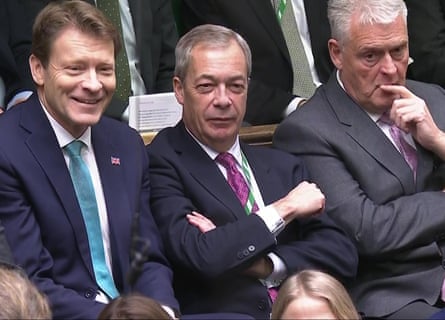
Ed Davey, the Liberal Democrat leader, has intensified his criticism of Reform UK, characterizing the party as fundamentally a "franchise of Maga politics" rather than an authentic British political movement rooted in domestic values and concerns. His remarks come amid revelations that several Reform UK MPs have accepted substantial payments from X, the platform formerly known as Twitter, which is owned by billionaire entrepreneur Elon Musk.
The proposed ban is positioned as part of a broader defensive strategy against what Davey describes as a "serious threat" to the stability and integrity of UK democracy emanating from American political movements and international interests. This initiative reflects escalating alarm among senior Liberal Democrat figures about the mechanisms through which foreign-backed ideologies and funding sources attempt to influence British parliamentary politics.
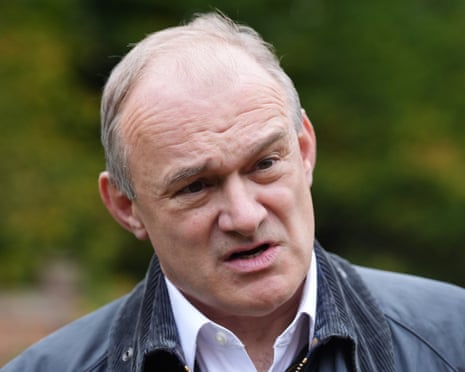
Davey's arguments center on the relationship between Elon Musk and the dissemination of far-right political content through X, contending that the billionaire entrepreneur actively facilitates the spread of ideologically extreme material into the British political sphere. According to the Liberal Democrat narrative, this represents an unacceptable form of foreign interference that undermines the democratic process by introducing foreign-financed perspectives into parliamentary discourse.
The timing of this announcement aligns with broader international concerns about the influence of American political movements on other democracies, particularly regarding the spread of populist and nationalist ideologies that challenge traditional political establishments. Liberal Democrats argue that the acceptance of payments from X by British politicians creates perverse incentives that may encourage the promotion of far-right content and policies that would not ordinarily gain traction within mainstream British politics.
Reform UK has emerged as a significant political force in recent years, positioning itself as a challenger to traditional Conservative Party orthodoxy and appealing to voters dissatisfied with mainstream political offerings. However, the party's financial connections to X and its ideological alignment with certain American political movements have drawn scrutiny from competing political parties and commentators concerned about foreign influence in British elections.
The proposed legislation would establish clear prohibitions against Members of Parliament receiving compensation, sponsorships, or other financial benefits directly from X or entities controlled by X's leadership. This would represent a new frontier in parliamentary ethics regulations, extending beyond traditional lobbying disclosures to address concerns about social media platform influence on political behavior and messaging.
Davey's characterization of Reform UK as a "Maga franchise" references Donald Trump's "Make America Great Again" political movement, suggesting that the British party functions primarily as an extension of American conservative populism rather than a genuinely independent British political organization. This critique implies that Reform UK's policy positions and political strategy are substantially influenced by or derivative of American right-wing political models and funding.
The Liberal Democrat initiative also reflects broader anxieties within European democracies about American tech billionaires' influence on political discourse and election outcomes. Musk's ownership of X and his demonstrated willingness to use the platform as a vehicle for promoting particular political viewpoints has made him a focal point for discussions about the concentration of media power and its implications for democratic governance.
The proposal addresses a significant gap in existing parliamentary regulations, which have traditionally focused on preventing conflicts of interest through transparency and disclosure requirements rather than categorical bans on certain types of funding. By proposing an outright prohibition rather than merely enhanced disclosure, the Liberal Democrats are arguing for a more stringent approach to protecting parliamentary independence from external influence.
This policy initiative comes as UK politics continues to grapple with questions about the appropriate relationship between social media platforms and political institutions. As these platforms have become increasingly central to political communication and voter engagement, concerns about their influence on electoral outcomes and policy-making have intensified across the political spectrum.
The Liberal Democrat proposal also implicitly raises questions about the definition and scope of foreign influence in British politics. While traditional concerns about foreign interference have focused on state actors like Russia or China, this initiative highlights anxieties about influence from non-state actors, particularly wealthy technology entrepreneurs with significant control over communication platforms.
Reform UK and its supporters have characterized such criticisms as attacks on free speech and legitimate political participation, arguing that accepting payments from media platforms does not inherently constitute problematic foreign influence. The debate thus reflects deeper disagreements about where to draw lines between legitimate political funding and problematic external interference in democratic processes.
The ban proposal would require legislative action and would need to navigate through Parliament's complex legislative process, facing potential challenges regarding its scope, enforceability, and compatibility with existing parliamentary regulations. Implementation would also require establishing clear definitions of what constitutes payment from X and mechanisms for monitoring and enforcement.
As this debate continues to unfold, it underscores the growing recognition among British political elites that democratic institutions require updated safeguards to address challenges posed by digital platforms and international actors in the contemporary political environment. The Liberal Democrats' initiative represents one of the first major parliamentary attempts to directly address these emerging threats through legislative action rather than mere rhetoric or voluntary compliance measures.
Source: The Guardian


