
Liberal Party 'Corroded by Hate' Over Immigration

Liberal MPs express deep concerns over immigration policy, with one claiming the party's soul is being 'corroded by hate' amid accusations of dog whistling.
In an exclusive report, multiple Liberal Party members have raised serious concerns about the direction of their party's immigration policy, with one prominent MP making a stark claim that the party's fundamental values are being undermined by divisive rhetoric. The allegations emerge amid growing tensions within the Coalition over how immigration issues are being framed and communicated to the Australian public, with particular scrutiny falling on recent policy announcements and the language used to describe them.
According to insiders within the Liberal Party, there is a widespread perception that Pauline Hanson's One Nation party has gained considerable influence over the Coalition's policy direction, particularly regarding immigration reform. This concern reflects broader anxieties about the party's ideological positioning and whether it is adequately distinguishing itself from more populist or nationalist movements. The belief that One Nation's agenda is dictating Liberal positions has sparked uncomfortable conversations among party members who fear the party is compromising its traditional values.
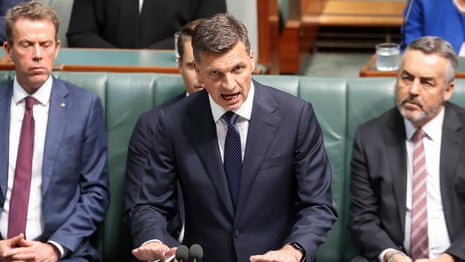
The specific focus of concern centers on Angus Taylor's immigration policy proposal, which has drawn criticism from within Liberal ranks for what some characterize as veiled or coded language about immigration. The term "dog whistling"—referring to coded messaging that appeals to certain audiences while maintaining plausible deniability—has been used by critics to describe aspects of the policy presentation. These accusations suggest that rather than engaging in direct, transparent debate about immigration, the party may be employing rhetoric designed to resonate with voters harboring specific prejudices.

One Liberal MP, speaking on condition of anonymity due to party loyalty concerns, made the particularly damning statement that the party's soul is being "corroded by hate." This characterization goes beyond typical policy disagreements, suggesting a fundamental deterioration in the party's moral standing and cultural identity. The MP's comment reflects a deeper malaise within the party—a sense that the pursuit of electoral advantage through divisive messaging is eroding the foundational principles upon which the Liberal Party was established. Such internal criticism is noteworthy because it indicates the depth of concern among party members about the trajectory being taken.
The tensions around immigration policy reflect broader debates within Australian politics about how to address complex demographic and economic challenges. While immigration policy is a legitimate area of political debate, the concern being raised by these Liberal MPs centers on the manner in which the issue is being addressed and the potential consequences of particular rhetorical approaches. The distinction between substantive policy critiques and divisive messaging has become increasingly blurred in contemporary politics, making it difficult for voters to discern genuine policy analysis from inflammatory rhetoric.
Multiple sources within the Liberal Party have indicated that they view the current situation as untenable, suggesting that the party risks losing its identity if it continues to allow its agenda to be shaped by what they perceive as external pressure from One Nation. This perspective highlights a fundamental tension within the Coalition—the question of how to engage with legitimate community concerns about immigration without resorting to inflammatory language that could marginalize vulnerable groups or inflame social divisions. Some Liberal members fear that the party is failing this crucial test.
The internal party conflict also reflects generational and ideological divisions within the Liberal Party itself. Younger members and those from more diverse backgrounds may feel particularly concerned about immigration rhetoric that could be perceived as hostile or exclusionary. These members may see the party's engagement with populist messaging as incompatible with the inclusive, merit-based approach to immigration that they believe should define modern Australian liberalism. The generational gap in perspectives on these issues threatens to create lasting divisions if not addressed thoughtfully.
Critics of the immigration policy have suggested that rather than addressing the root causes of community concerns—such as housing affordability, wage stagnation, or infrastructure pressures—the focus on immigration as a scapegoat diverts attention from more complex systemic issues. This approach, they argue, is not only misleading but also counterproductive to genuine problem-solving. By framing immigration as the central problem requiring urgent action, the narrative potentially oversimplifies intricate economic and social challenges that require sophisticated policy responses.
The concerns being raised within the Liberal Party also speak to broader questions about political culture and democratic discourse in Australia. How political parties choose to communicate about sensitive issues like immigration has profound implications for social cohesion and the health of democratic institutions. When politicians resort to coded language or inflammatory rhetoric, it can contribute to the erosion of public trust and the polarization of political debate. Several party members fear that the Liberal Party's current trajectory is contributing to this broader deterioration.
The exclusive nature of these revelations suggests that party members felt compelled to voice their concerns despite the risks associated with public criticism of party leadership and policy. Their willingness to speak out, even anonymously, indicates the depth of their conviction that the party is heading in a problematic direction. This internal dissent, though not always visible to the general public, represents an important check on organizational power and a reminder that political parties are not monolithic entities but contain diverse perspectives and values.
Moving forward, the Liberal Party faces a critical decision about how it will respond to these internal criticisms and the broader questions being raised about its direction on immigration policy and related issues. Whether party leadership will engage seriously with these concerns or attempt to suppress internal dissent may have significant implications for party unity and electoral prospects. The challenge for party leaders is to find a way to address legitimate community concerns while maintaining the party's commitment to democratic values and social cohesion.
The controversy also highlights the importance of media scrutiny and investigative journalism in bringing internal party debates into public view. By reporting on these exclusive revelations, news organizations are performing an essential democratic function—ensuring that citizens have access to information about how their political representatives and institutions actually function. This transparency can facilitate more informed public debate and hold political leaders accountable for their actions and rhetoric.
As the debate continues to unfold, it will be worth monitoring how the Liberal Party responds to both external criticism and these internal voices of concern. The party's handling of this situation will provide important signals about its values and its commitment to inclusive, democratic politics. For voters concerned about the direction of Australian politics and the tone of public discourse, these developments represent an important moment to engage with and scrutinize the positions and rhetoric of political parties seeking their support.


