
Lidl Loyalty Program Overhaul Leaves Shoppers Disappointed

Lidl's redesigned loyalty scheme shifts from reward coupons to points-based system. Customers question generosity of new £1 per point structure.
Discount supermarket chain Lidl has implemented a significant overhaul of its loyalty program, transitioning from a traditional coupon-based rewards system to a modern points-based approach. The transformation marks a notable shift in how the retailer incentivizes repeat purchases and customer engagement, though early reactions from shoppers suggest the changes may not be universally welcomed across their customer base.
Under the new loyalty scheme, customers accumulate points with each purchase rather than collecting physical reward coupons as they did previously. The conversion rate is straightforward: for every £1 spent at Lidl stores, customers earn exactly one point toward their account. This simplified structure aims to modernize the rewards experience and align with digital-first retail trends that many competitors have already adopted.
The shift from coupon-based rewards to a points system represents a fundamental change in how Lidl customers interact with promotional offers and discounts. Historically, the coupon method allowed shoppers to collect physical vouchers that could be redeemed for specific discounts or special offers on selected products. This tangible approach had become familiar to millions of UK shoppers who appreciated the visible accumulation of savings.
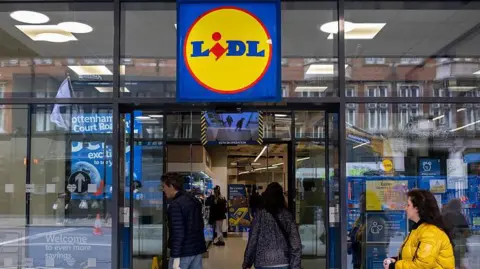
Many shoppers have expressed concerns about the perceived reduction in generosity under this new framework. Consumer sentiment suggests that the points-to-value conversion rate may not provide equivalent benefits to what customers received through the previous coupon system. The transition has sparked discussions among Lidl's customer base about whether the change represents genuine modernization or simply a rebalancing of rewards in favor of the retailer.
The timing of this loyalty scheme redesign comes as Lidl continues to expand its presence across the United Kingdom and strengthen its competitive position against larger supermarket chains. By adopting a points-based model, the company joins numerous retailers who have already embraced this technology-driven approach to customer retention and engagement. The system allows for easier tracking through digital platforms and provides valuable data insights for both the retailer and customers.
Industry analysts note that points-based loyalty systems have become increasingly common in the supermarket sector, with major retailers recognizing the benefits of digital integration and customer data collection. However, the critical factor determining success lies not in the mechanism itself but in the actual value proposition offered to customers. If points accumulate slowly or redemption options are limited, shoppers may perceive the program as less attractive than its predecessor.
The £1-to-one-point conversion rate established by Lidl requires careful scrutiny when compared against the benefits previously available through coupon redemption. Customers attempting to assess the genuine value of the new system must consider what their accumulated points can actually purchase or what discounts they unlock. Without clear communication about redemption values and achievable rewards, the program risks losing customer enthusiasm and participation rates.
Digital integration represents one potential advantage of the new system that Lidl is likely emphasizing to justify the transition. Points can be tracked in real-time through mobile applications, customers can receive personalized offers based on their purchasing history, and the accumulation process occurs automatically without requiring customers to physically retain coupons. This convenience factor may appeal to younger, tech-savvy shoppers even if the raw value proposition appears diminished.
Lidl's decision to implement this change reflects broader trends within the retail industry toward data-driven customer loyalty programs. By collecting information about purchasing patterns and preferences, the supermarket can tailor marketing messages and special offers more effectively. This targeted approach theoretically benefits both the retailer through improved conversion rates and customers through more relevant promotional content.
Consumer advocacy groups and retail analysts continue to monitor how this transition affects customer retention and satisfaction levels at Lidl stores nationwide. Early indicators suggest that transparency regarding redemption rates and available rewards will be crucial for maintaining confidence in the program. Retailers who fail to clearly communicate the value of their rewards system often experience declining participation rates and reduced customer loyalty.
The company has positioned the new system as a modernization effort designed to enhance the shopping experience and provide greater convenience to loyal customers. Lidl emphasizes that the points-based approach integrates seamlessly with their digital platforms and allows for more flexible redemption options. However, without demonstrating equivalent or superior value compared to the previous coupon system, such messaging may struggle to resonate with skeptical shoppers.
Moving forward, Lidl faces the challenge of managing customer expectations while proving that the new loyalty scheme delivers genuine benefits despite initial perceptions of reduced generosity. The success of this program will depend on how effectively the company communicates its value proposition, ensures easy redemption processes, and maintains competitive offers relative to other supermarket loyalty initiatives in the market.
As the loyalty scheme continues to roll out across Lidl's store network, customer feedback will play an essential role in shaping any adjustments or improvements to the program. The discount supermarket sector remains highly competitive, and retailers must constantly evaluate whether their customer rewards are compelling enough to drive repeat visits and increase basket sizes. Lidl's ability to balance profitability with customer satisfaction through this new points system will significantly influence its long-term market performance and customer relationships.
Source: BBC News


