
Light Phone III Gets Third-Party App Support Soon

Light Phone III expands functionality with curated third-party apps. Developers can now access SDK to build non-commercial tools for the minimalist device.
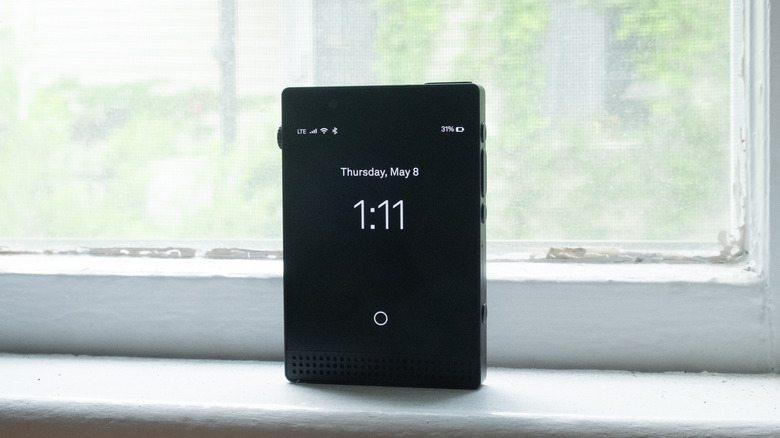
The Light Phone III, known for its minimalist design and commitment to reducing digital distractions, is taking a significant step forward by opening its ecosystem to third-party app development. This move represents a strategic balance between maintaining the device's core philosophy of simplicity while acknowledging user demand for expanded functionality beyond its basic offerings.
The company has announced plans to release a software development kit (SDK) that will enable developers to begin creating applications specifically tailored for the Light Phone III platform. Importantly, this initiative emphasizes non-commercial development, ensuring that the app ecosystem remains aligned with the device's values of minimalism and intentional usage patterns. Developers interested in building for the platform will soon have access to the necessary tools and documentation required to create meaningful applications.
This announcement comes as the Light Phone III has gained considerable traction among users seeking alternatives to feature-heavy smartphones that often prioritize engagement metrics over user wellbeing. The device's stripped-down interface and limited functionality have resonated with a growing segment of consumers who are increasingly concerned about smartphone addiction and the psychological impacts of constant connectivity. By introducing a curated app framework, Light is attempting to preserve this minimalist ethos while addressing legitimate use cases that users have identified.
The curation approach to app selection is particularly noteworthy in this context. Rather than adopting an open app store model like traditional smartphone platforms, Light Phone III will maintain strict guidelines about which applications can be distributed through its ecosystem. This means that developers will need to demonstrate that their applications serve genuine utility purposes without introducing unnecessary distraction or contributing to problematic usage patterns. The company plans to review submissions carefully to ensure alignment with the device's core mission.
The timing of this announcement suggests that Light has been carefully monitoring user feedback and market demand. While the company's original vision centered on essential functionality only, the company recognizes that different users have legitimate needs that extend slightly beyond the most basic features. The SDK release represents a pragmatic evolution of this philosophy, one that acknowledges complexity without abandoning the core commitment to digital wellness and mindful technology use.
The non-commercial nature of the initial app development initiative is particularly important to understanding Light's strategy. By explicitly restricting commercial applications, the company is preventing the emergence of revenue-driven incentive structures that could gradually transform the Light Phone III into something resembling conventional smartphones. This approach ensures that developers are motivated by genuine utility rather than profitability, which theoretically results in more thoughtfully designed applications that serve real user needs.
For the technology development community, the Light Phone III SDK represents an intriguing new platform for exploration. Developers have historically gravitated toward platforms with massive user bases and commercial potential, but the Light Phone III offers something different: an opportunity to work within meaningful constraints and create software that prioritizes genuine user benefit over engagement metrics. This could attract a particular category of developers who are frustrated with the incentive structures of mainstream platforms and seek to contribute to alternative technological visions.
The broader implications of this move extend beyond the Light Phone III itself. The decision to open the platform to curated third-party applications may inspire other minimalist device manufacturers to consider similar approaches. As more consumers express dissatisfaction with the attention-economy dynamics of conventional smartphones, companies in this space are increasingly tasked with balancing user desires for functionality against the core mission of digital wellness. Light's curated SDK approach offers one possible model for achieving this balance.
The release timeline for the SDK has not been specified with precision, but the company has indicated that developers should expect access in the coming months. When the SDK does launch, it will likely be accompanied by detailed guidelines outlining which types of applications are acceptable for the Light Phone III ecosystem. These guidelines will presumably address concerns about addictive design patterns, privacy implications, and alignment with the device's overall philosophy.
Early candidates for Light Phone III applications might include productivity tools, simple note-taking applications, basic utilities, and potentially health or wellness-focused software. The company has already demonstrated willingness to bundle certain specialized applications with the device, so the SDK likely extends beyond what Light itself develops. By opening this process to external developers, the company can expand its application offerings without diluting its internal focus on hardware design and core software development.
The Light Phone III's evolution toward selective third-party app support also reflects changing market expectations around smartphone capabilities. While the device's target demographic values minimalism, there exists a practical spectrum of needs that even minimalist users experience. Some individuals may require specific productivity applications for work, while others might want basic utilities that don't compromise the overall user experience or battery life of the device. The SDK approach allows the company to address these needs in a controlled manner.
This development also raises interesting questions about the future trajectory of alternative smartphone platforms. If the Light Phone III successfully maintains its minimalist philosophy while gradually expanding functionality through carefully curated applications, it could establish a template for other manufacturers pursuing similar visions. Conversely, if the introduction of third-party apps gradually leads to feature creep and a departure from core principles, it could underscore the inherent tension between user demands for functionality and the desire for digital wellness.
Looking forward, the success of the Light Phone III app ecosystem will likely depend heavily on the company's execution of its curation strategy. The developers and the broader community will be watching closely to see whether Light maintains sufficient boundaries to preserve the device's distinguishing characteristics or whether commercial and functional pressures gradually expand the platform beyond its original scope. The SDK release represents the beginning of this important experiment in alternative smartphone design and philosophy.
Source: Engadget


