
Lime Files for IPO: E-Scooter Giant Eyes Public Markets

Electric scooter rental company Lime has filed for IPO despite profitability challenges. The startup operates in 230+ cities globally.
Lime, the leading electric scooter rental company, has officially filed for an Initial Public Offering (IPO), marking a significant milestone in the micromobility sector's evolution. This move signals the company's ambitions to transition from private venture-backed startup status to a publicly traded corporation, opening doors to broader investor participation and capital markets access. The IPO filing represents a major moment for the sharing economy and urban transportation solutions that have fundamentally reshaped how millions of people commute in cities worldwide.
The San Francisco-based electric scooter platform has achieved remarkable geographic expansion since its founding, now operating across more than 230 cities spanning multiple continents. From North America to Europe, Asia, and beyond, Lime has established itself as a dominant force in the micromobility market, competing with rivals like Bird and various municipal bike-sharing programs. This expansive footprint demonstrates the global appetite for convenient, affordable, and environmentally friendly last-mile transportation solutions that bridge gaps between public transit and final destinations.
Despite its impressive scale and market presence, Lime has yet to achieve consistent profitability—a critical concern that will likely dominate discussions during the IPO process. The company faces ongoing challenges including high operational costs, vehicle maintenance and replacement expenses, regulatory compliance across diverse jurisdictions, and intense competition within the urban mobility sector. Investors will scrutinize the company's path to profitability and whether the expanding user base can generate sufficient revenue to overcome these substantial operational hurdles.
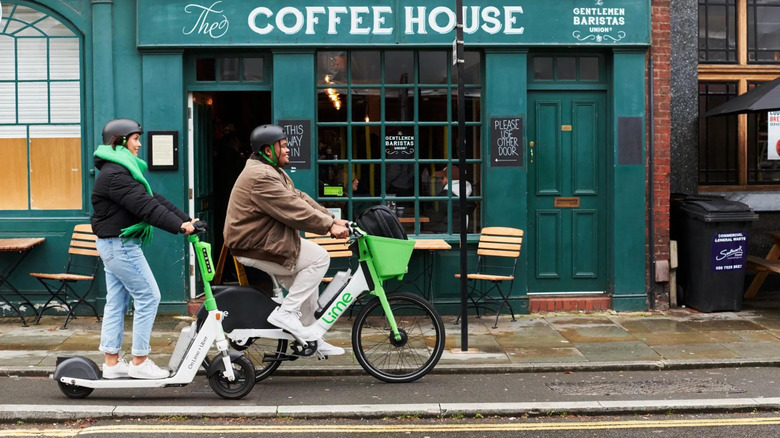
The decision to pursue an IPO comes at a time when the shared mobility industry is experiencing both tremendous growth and increased regulatory scrutiny. Cities worldwide are grappling with questions about scooter safety, sidewalk congestion, rider behavior, and environmental impact. Some municipalities have welcomed Lime's services with favorable regulations, while others have implemented strict licensing requirements or temporary bans. This patchwork regulatory landscape adds complexity to Lime's operations and financial projections, as the company must navigate vastly different rules across jurisdictions.
Lime's IPO filing will likely highlight the company's revenue growth trajectory and the expanding addressable market for micromobility solutions. The company generates revenue through ride-per-minute pricing models, monthly subscriptions, and various partnership arrangements with cities and other transportation entities. Additionally, the company has diversified beyond scooters to include electric bikes and mopeds, creating multiple revenue streams within the broader urban transportation ecosystem. These diversification efforts demonstrate management's strategic thinking about long-term sustainability.
The electric scooter market represents one of the fastest-growing segments in urban transportation, with analysts projecting continued expansion over the coming years. Environmental concerns about carbon emissions have accelerated adoption of zero-emission micromobility options, particularly among younger urban dwellers seeking alternatives to car ownership. Lime's timing for the IPO capitalizes on this growing momentum, though market conditions and economic factors will ultimately determine investor appetite and valuation expectations.
The company's IPO process will require detailed financial disclosures that reveal operational metrics, user acquisition costs, customer lifetime value, and detailed breakdowns of revenue by geography and product category. These disclosures will provide unprecedented transparency into Lime's business model and offer insights into the broader health of the micromobility sector. Investors will pay particular attention to metrics like monthly active users, average revenue per user, and customer retention rates—all critical indicators of sustainable growth potential.
Lime's journey from startup to IPO-ready company reflects the broader evolution of venture-backed transportation companies seeking public market validation. The company has raised significant capital from prominent investors including Google's parent company Alphabet, Uber, and various venture capital firms. However, going public will expose Lime to new scrutiny from public market investors who may demand faster paths to profitability compared to private investors who typically have longer time horizons.
Regulatory compliance represents another crucial factor that will influence Lime's valuation and future prospects. The company operates under different regulatory regimes in each city, requiring sophisticated compliance operations and legal expertise. Some jurisdictions require permits, insurance coverage, helmet provisions, and parking area designations, while others have more permissive frameworks. Lime's ability to navigate this complex regulatory environment while maintaining operational efficiency will be essential to demonstrating sustainable business practices to public investors.
The IPO represents not just a financial milestone for Lime but also a potential inflection point for the entire micromobility industry. A successful public offering could validate the sector's long-term viability and attract additional investment and attention to sustainable transportation solutions. Conversely, disappointing market reception could signal investor skepticism about profitability timelines and raise questions about the sector's maturity and sustainability.
Looking ahead, Lime's performance as a public company will likely influence how investors and regulators view the broader sharing economy. The company will need to demonstrate that micromobility can generate meaningful returns while operating responsibly and serving urban communities effectively. Success would validate years of investment and innovation in this space, while also encouraging further development of integrated urban transportation networks that combine scooters, bikes, public transit, and other solutions into seamless mobility ecosystems.
Source: Engadget


