
LIV Golf's Future in Doubt After Saudi Funding Ends

Saudi Arabia's PIF withdraws funding from LIV Golf. Explore what this means for players like DeChambeau, Rahm, and the sport's future.
The golf landscape faces unprecedented upheaval following the announcement that Saudi Arabia's Public Investment Fund will terminate its financial backing of the LIV Golf tour. This seismic shift in the sport's competitive ecosystem raises critical questions about the viability of the controversial league, the fate of its roster of elite players, and the broader implications for professional golf's organizational structure.
The PIF withdrawal represents a dramatic reversal for a venture that launched with seemingly unlimited financial resources just years earlier. The Saudi sovereign wealth fund, which had positioned itself as the driving force behind LIV Golf's ambitious expansion and recruitment efforts, has decided to redirect its investments elsewhere. This decision sends shockwaves through the professional golfing community and forces stakeholders to confront uncomfortable realities about the tour's sustainability and long-term viability.
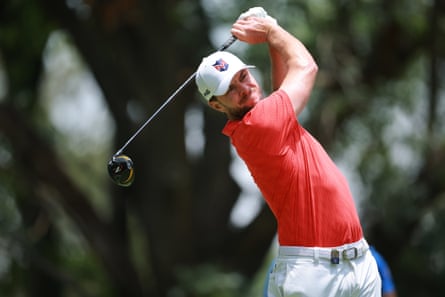
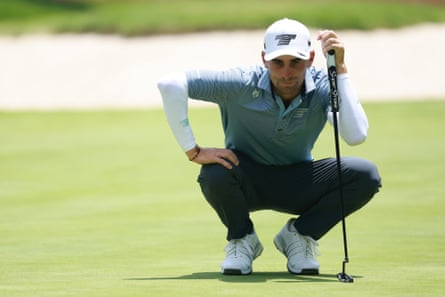
For prominent players who made the controversial switch to LIV Golf, including Bryson DeChambeau, Jon Rahm, and Lee Westwood, the situation presents an immediate crisis of considerable proportions. These athletes invested significant career capital and reputation in joining a startup league that promised to revolutionize professional golf. Their decisions to leave established tours and lucrative traditional pathways now appear increasingly questionable as the financial foundation crumbles beneath the venture.
Bryson DeChambeau, who captured headlines with his high-profile defection to LIV Golf, faces uncertain prospects regarding his competitive future and earning potential. The American golfer, known for his aggressive playing style and innovative approaches to the sport, had positioned himself as a central figure in the league's vision. His involvement lent credibility to the tour during its formative years, but the sudden withdrawal of Saudi funding jeopardizes the financial commitments that underpinned his participation agreement.

Jon Rahm's situation is particularly complex given his recent recruitment and the magnitude of investment made to secure his participation. The Spanish golfer commanded one of the largest signing bonuses in sports history when he joined LIV Golf, making his contractual position both enviable and precarious simultaneously. Should the tour collapse or significantly restructure, Rahm's substantial financial guarantees could face renegotiation or potential reduction, creating considerable financial uncertainty for the former World Golf champion.
Lee Westwood, the veteran English golfer, brings decades of professional experience to bear on this challenging situation. Having spent his entire career navigating golf's traditional structures and competing at the highest levels, Westwood's decision to join LIV Golf represented a significant statement about his beliefs in the tour's potential. His age and career stage make the implications of the PIF withdrawal particularly significant, as alternative opportunities may be more limited than for younger competitors.
The broader roster of LIV Golf participants faces comparable predicaments, though their individual circumstances vary considerably based on contract terms, career stage, and marketability. Players who abandoned positions on the PGA Tour and DP World Tour to chase LIV Golf's financial incentives now confront the prospect of potentially trying to return to traditional circuits, where their previous departures may not be welcomed with open arms. The professional golf establishment has demonstrated willingness to punish defectors, and many players may face suspensions, fines, or permanent restrictions from competing in traditional tournaments.
The question of alternative investors becomes paramount for LIV Golf's continued existence. The tour must identify replacement funding sources capable of maintaining competitive purses, operational expenses, and player compensation packages. Potential backers might include wealthy individuals, investment firms with sports interests, or perhaps even traditional golf organizations seeking to absorb the tour. The challenge lies in finding investors willing to bankroll a venture that has already demonstrated financial uncertainty and competitive complications.
Some analysts suggest that merger discussions between LIV Golf and the PGA Tour represent a plausible resolution to the current crisis. The two organizations have engaged in exploratory talks regarding potential consolidation, and the withdrawal of Saudi funding might accelerate these negotiations. Such a merger could preserve positions for LIV Golf players while streamlining golf's fractured governance structure. However, significant regulatory, competitive, and philosophical obstacles remain to be overcome before any such arrangement could materialize.
The geopolitical dimensions of this situation cannot be overlooked. Saudi Arabia's Public Investment Fund faced mounting criticism regarding sportswashing—using sports investments to improve the kingdom's international reputation amid human rights concerns. The withdrawal of funding might reflect not only financial reassessment but also recognition that the strategy had failed to achieve its intended public relations objectives. International criticism of LIV Golf's Saudi backing intensified rather than diminished over time, suggesting that the reputational benefits never materialized as anticipated.
The implications for professional golf governance extend well beyond the immediate crisis facing LIV Golf's players and operations. The sport's fragmented structure, divided between competing tours and organizations, has created inefficiencies and contradictions that have frustrated players, fans, and governing bodies alike. The potential resolution of LIV Golf's funding crisis might finally force comprehensive restructuring of how professional golf organizes itself globally, potentially creating a more unified and coherent competitive landscape.
Traditional golf organizations must carefully navigate this moment, balancing their desire to restore the sport's unity against resentment toward players who departed for LIV Golf's significant financial inducements. The PGA Tour, in particular, faces pressure to demonstrate that players cannot simply abandon established structures and institutions for lucrative alternative ventures without consequences. Yet excessive punishment of returning players could further fragment the professional golf community and undermine efforts toward consolidation and unity.
The broader implications for golf's competitive integrity and global rankings remain uncertain. LIV Golf's contentious status within golf's official ranking systems has been a persistent source of controversy and debate. Should the tour collapse or fundamentally restructure, questions about the legitimacy of victories, career records, and competitive credentials established through LIV Golf participation will persist for years. Players may find their achievements diminished in historical records or public perception, adding another layer of professional consequence to their participation decisions.
Looking forward, the situation demands urgent action from all stakeholders within professional golf. LIV Golf leadership must explore every viable option for securing replacement funding or negotiating favorable terms for potential mergers or partnerships. Players require clarity regarding their professional futures and financial security, which may necessitate difficult negotiations or concessions regarding previously agreed contract terms. Traditional golf organizations must prepare contingency plans for various scenarios, from complete LIV Golf dissolution to strategic integration of the tour's assets and participants.
The withdrawal of Saudi Arabia's Public Investment Fund marks a critical juncture in professional golf's evolution. Whether this development ultimately strengthens the sport through consolidation and restructuring or accelerates fragmentation and instability remains to be determined. The coming months will prove decisive in shaping professional golf's future direction, competitive structure, and global positioning.
Source: The Guardian


