
Liza Minnelli Memoir Signed Copies Face Authenticity Questions

Buyers of premium editions of Liza Minnelli's memoir claim signatures are fake. Collectors seek refunds for $250 copies marketed as hand-signed.
Collectors and fans of legendary entertainer Liza Minnelli are raising serious questions about the authenticity of signed copies of her highly anticipated memoir, Kids, Wait Till You Hear This! The controversy has sparked widespread concern among book collectors and casual readers alike who invested substantial sums for what they believed to be genuine, hand-signed collectibles. Premium editions of the memoir were marketed globally as hand-signed collectibles, commanding prices up to $250 (£185) per copy, making them premium offerings in the book market.
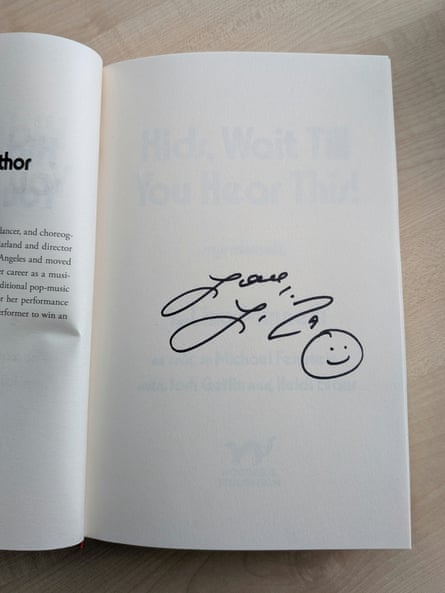
The 80-year-old entertainment icon's memoir was positioned as a collector's item, with publishers emphasizing the authenticity of signatures as a key selling point to justify the elevated pricing. Buyers who paid premium prices for these special editions now claim that the signatures appearing on their copies are unnaturally identical, suggesting they may have been produced mechanically rather than penned by hand. This assertion has raised significant questions about whether mass-produced autopen machines were used to create the signatures instead of Minnelli personally signing each copy, as buyers were led to believe.
The issue has become increasingly prominent in the book collecting community, where authentication and provenance are paramount concerns. Multiple purchasers have come forward with photographic evidence comparing their signed copies, pointing out suspicious similarities in signature placement, size, and formation that would be virtually impossible if each copy had been individually signed. These observations have fueled growing skepticism about the legitimacy of the marketing claims surrounding these special editions.

Fans seeking refunds for signed copies have begun organizing online, sharing their concerns across social media platforms and book collector forums. The collective voice of disappointed purchasers has prompted retailers and publishers to acknowledge the growing complaints and concerns regarding signature authenticity. Many buyers expressed feeling deceived after spending substantial amounts of money on what they understood to be personally signed memorabilia that would hold significant collector's value.
The controversy surrounding the Liza Minnelli memoir signatures touches on broader issues within the publishing industry regarding how special editions are authenticated and marketed to consumers. Publishers face increasing scrutiny over their claims regarding hand-signed copies, particularly when premium prices are charged and specific authentication claims are made. The memoir, which delves into Minnelli's legendary career spanning decades in entertainment, was intended to be a major release accompanied by these exclusive signed editions.
Industry experts have weighed in on the matter, noting that while some publishers do use mechanical signing devices to produce signed copies more efficiently, this practice should be disclosed transparently to potential buyers. The failure to adequately communicate such production methods to consumers can lead to legitimate concerns about false advertising and consumer protection violations. Many argue that if signatures were produced using autopen technology, buyers should have been informed of this process before making their purchasing decisions.
The situation has prompted various booksellers and retailers to reassess their quality control procedures and verification processes before marketing special edition books as hand-signed. Customers who have contacted publishers and retailers demanding authentication verification have received mixed responses, with some companies offering refunds while others have been slower to acknowledge the validity of concerns. This inconsistency in responses has only amplified frustration among the affected customer base.
For Liza Minnelli enthusiasts and serious book collectors, this controversy represents a significant disappointment given the cultural importance and collector's appeal of a memoir from such an iconic entertainment figure. The 80-year-old performer has had a legendary career highlighted by iconic performances and personal stories that fans were eager to discover in written form. The premium-priced signed editions were intended to serve as treasured keepsakes and valuable collectibles for devoted admirers of her work.
Legal experts have suggested that consumers who purchased these books based on specific claims of hand-signed authenticity may have grounds for action under consumer protection laws. Documentation of the marketing claims made at the point of sale, combined with photographic evidence of signature similarities, could potentially support refund requests or legal complaints. Several consumer advocacy groups have begun investigating the matter to determine whether broader deceptive marketing practices were involved.
The memoir itself, Kids, Wait Till You Hear This!, was released with significant fanfare and represented a major publishing event in the entertainment world. Beyond the signature controversy, the book contains what publishers describe as intimate revelations about Minnelli's personal life, career highs and lows, and her relationships with other entertainment industry figures. The content of the memoir has been well-received by readers and critics who have focused on the substance of her storytelling and reflections on her remarkable life.
As this controversy continues to unfold, it serves as a cautionary tale for both publishers and consumers in the collectibles market. The incident highlights the importance of transparency in marketing special edition books and the need for clear communication about how signatures are produced. Moving forward, industry standards may need to be established to better protect consumers and ensure that claims of hand-signed authenticity are accurately represented and verified.
For those who have already purchased signed copies of Kids, Wait Till You Hear This!, the path forward remains uncertain as negotiations between buyers, retailers, and publishers continue. The resolution of this matter may set important precedents for how special edition books are marketed and authenticated in the future. Ultimately, this situation underscores the vital importance of consumer due diligence and the need for publishers to maintain the highest standards of honesty in their marketing practices.


