
London Bridge Hero Cop Fired for Offensive Messages

DC Mark Luker, first responder to 2017 London Bridge terror attack, dismissed from British Transport Police for derogatory WhatsApp messages targeting minorities.
A British Transport Police officer who courageously responded as one of the first on scene during the devastating 2017 London Bridge terror attack has been terminated from his position following a disciplinary hearing that found him guilty of gross misconduct. DC Mark Luker's dismissal stems from his use of deeply offensive and derogatory language targeting Roma, Gypsy, and Traveller communities in private WhatsApp communications with fellow officers.
The case highlights the ongoing challenges within UK policing regarding discriminatory behavior and the use of social media platforms by law enforcement personnel. Luker's actions came to light through an internal investigation that examined communications within a WhatsApp group containing multiple police officers, raising serious questions about the culture and conduct standards within certain segments of the force.
The 2017 London Bridge attack remains one of the most harrowing terrorist incidents in recent British history, occurring on June 3, 2017, when three attackers drove a van into pedestrians on London Bridge before launching a knife attack in Borough Market. The coordinated assault resulted in eight fatalities and left 48 people injured, with the attackers ultimately shot dead by police within eight minutes of the first emergency call.
DC Luker was among the brave first responders who rushed to the scene during those critical moments, demonstrating the courage and dedication expected of law enforcement officers in the face of extreme danger. His role in responding to this national tragedy makes his subsequent misconduct all the more disappointing to both his colleagues and the communities he served.
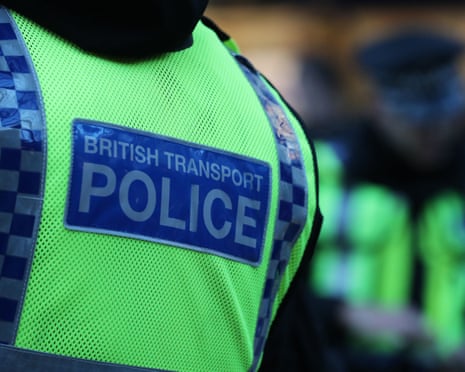
The gross misconduct charges against Luker were substantiated during a formal disciplinary hearing conducted by the British Transport Police. The tribunal examined evidence of his participation in WhatsApp group conversations where he used language that was deemed offensive, discriminatory, and wholly inappropriate for a serving police officer. The specific nature of his comments targeted Roma, Gypsy, and Traveller communities, groups that have historically faced significant discrimination and prejudice.
This case represents part of a broader pattern of concerning behavior within UK police forces that has come under intense scrutiny in recent years. Social media communications between officers have repeatedly exposed problematic attitudes and discriminatory views that run counter to the principles of modern policing and community relations.
The British Transport Police has faced increasing pressure to address cultural issues within its ranks, particularly following several high-profile cases involving officer misconduct. The force, which is responsible for policing Britain's railway network, has implemented new training programs and oversight mechanisms designed to prevent such incidents and maintain professional standards.
Roma, Gypsy, and Traveller communities have long been subject to discrimination and hate speech, both from members of the public and, disturbingly, from those in positions of authority. These communities represent some of the most marginalized groups in British society, facing significant barriers to education, healthcare, and housing, often compounded by prejudicial attitudes and stereotyping.
The disciplinary process that led to Luker's dismissal involved a comprehensive investigation into his WhatsApp communications and their impact on community relations and police integrity. The hearing panel concluded that his language was not only offensive but fundamentally incompatible with his role as a public servant and protector of all community members, regardless of their background or ethnicity.
Legal experts note that this case demonstrates the increasing willingness of police oversight bodies to take decisive action against officers who engage in discriminatory behavior, even when such behavior occurs in what officers might consider private communications. The principle that police officers are held to higher standards of conduct, both on and off duty, has been reinforced through this decision.
The timing of this revelation is particularly significant given ongoing national conversations about police accountability and the need for comprehensive reform within law enforcement agencies. Recent years have seen numerous instances of police officers being disciplined or dismissed for inappropriate social media use, racist comments, and other forms of misconduct that undermine public trust.
Community leaders representing Roma, Gypsy, and Traveller populations have welcomed the decisive action taken against DC Luker, while emphasizing that this case likely represents just the tip of the iceberg regarding discriminatory attitudes within policing. They have called for more comprehensive training and cultural change initiatives to address underlying prejudices and ensure equal treatment for all communities.
The misconduct case also raises important questions about supervision and oversight of police communications, particularly in informal settings like WhatsApp groups. Many forces are now implementing stricter guidelines regarding officer communications and social media use, recognizing that private conversations can have public consequences and impact community relations.
Former colleagues of DC Luker have expressed mixed reactions to his dismissal, with some defending his record as a first responder while others acknowledging that his language was inexcusable regardless of his previous service. This division reflects broader tensions within policing about accountability, standards of conduct, and the balance between supporting officers and maintaining public trust.
The British Transport Police has indicated that this case will inform future training programs and policy development, particularly around diversity, inclusion, and appropriate communication standards. The force has committed to working more closely with community representatives to rebuild trust and ensure that all officers understand their responsibilities regarding respectful treatment of minority communities.
This incident serves as a stark reminder that heroic actions in one context cannot excuse discriminatory behavior in another, and that all police officers must be held accountable for maintaining professional standards throughout their service. The decision to dismiss DC Luker, despite his role in responding to the London Bridge attack, demonstrates that misconduct will be addressed regardless of an officer's previous commendable actions.
Source: The Guardian


