
London's Most Valuable Auction Features Klimt, Matisse & Freud

Discover masterpieces including Lucian Freud's Woman in a Grey Sweater heading to London's most valuable auction ever. Iconic works from art history.
London's prestigious auction houses are preparing to showcase an extraordinary collection of artistic masterpieces that collectively represent some of the most significant works in modern and contemporary art history. Among the featured pieces is Lucian Freud's celebrated portrait "Woman in a Grey Sweater," a work that exemplifies the British painter's distinctive approach to figurative representation and psychological depth. This remarkable London auction is positioned to become the most valuable ever held in the British capital, attracting collectors, museums, and art enthusiasts from around the globe.
The inclusion of works by three towering figures of twentieth-century art—Gustav Klimt, Henri Matisse, and Lucian Freud—underscores the exceptional caliber of pieces being offered. These artists have fundamentally shaped the trajectory of modern art, each bringing their unique vision and technique to their respective disciplines. Klimt's contributions to the Vienna Secession movement, Matisse's revolutionary approach to color and form, and Freud's unflinching portraiture have all secured their positions as canonical figures whose works command significant attention in the contemporary art market.
Lucian Freud's "Woman in a Grey Sweater" stands as a testament to the painter's meticulous observational skills and his ability to capture the psychological essence of his subjects. Known for working from live sitters and employing thick, expressive brushwork, Freud created intimate portraits that reveal layers of personality and emotion. This particular work demonstrates his mature period, where his technical mastery and psychological insight reached their zenith, making it one of the most anticipated high-value artworks in the upcoming sale.

The auction represents a convergence of several major factors in the contemporary art market, including the increasing globalization of art collecting and the sustained demand for museum-quality works by established masters. London has historically served as one of the world's premier centers for art commerce, with auction houses such as Christie's and Sotheby's maintaining their headquarters in the city. This upcoming sale reinforces London's continued prominence as a nexus for fine art transactions and cultural commerce at the highest levels.
Gustav Klimt's inclusion in the auction catalog brings significant historical weight and prestige to the collection. The Austrian painter's distinctive style, characterized by ornamental patterns, gold leaf, and sensual imagery, has made his works among the most coveted in the world. Pieces attributed to Klimt, particularly those from his middle period, consistently achieve record-breaking prices at auction, reflecting the enduring fascination with his unique synthesis of Art Nouveau aesthetics and modernist innovation. The presence of a Klimt work signals the caliber and significance of the entire collection being offered.
Henri Matisse, the French innovator whose investigations into color theory and compositional balance revolutionized modern art, provides another cornerstone of the sale. Matisse's career spanning multiple decades and diverse styles—from Fauvism to his late paper cutouts—demonstrates an artist constantly evolving and pushing the boundaries of artistic expression. His works in museum collections worldwide are treasured for their joyful vitality and formal sophistication, and his presence in this London auction underscores its international significance.

The economic implications of this auction extend beyond the immediate financial figures involved in the transactions. Major art sales like this one have ripple effects throughout the global art market, influencing valuations of comparable works and shaping collector sentiment about particular artists or periods. The estimated total value reaching unprecedented levels for a London auction suggests robust demand among wealthy collectors, despite broader economic uncertainties. Such resilience in the top tier of the art market indicates the enduring appeal of blue-chip artworks as both aesthetic objects and investment vehicles.
Preparation for an auction of this magnitude involves extensive research, authentication, condition assessment, and marketing to potential bidders worldwide. Auction house specialists spend months examining provenance records, consulting with experts, and documenting each work's history and significance. This curatorial approach ensures that buyers have comprehensive information to inform their decisions, while also establishing the historical and artistic credentials that justify the anticipated price ranges. The thoroughness of this process reflects the professional standards expected in the international art market.
The coming together of these masterworks also raises questions about the nature of art market trends and collecting priorities in the contemporary moment. Works by historically significant artists continue to attract substantial investment, yet the market also shows growing interest in emerging artists and previously undervalued creators. This sale, however, focuses firmly on established canonical figures whose market positions are secure and whose works have demonstrated consistent appreciation over decades. For collectors seeking works of proven significance and enduring value, such offerings represent rare opportunities to acquire pieces of historical importance.
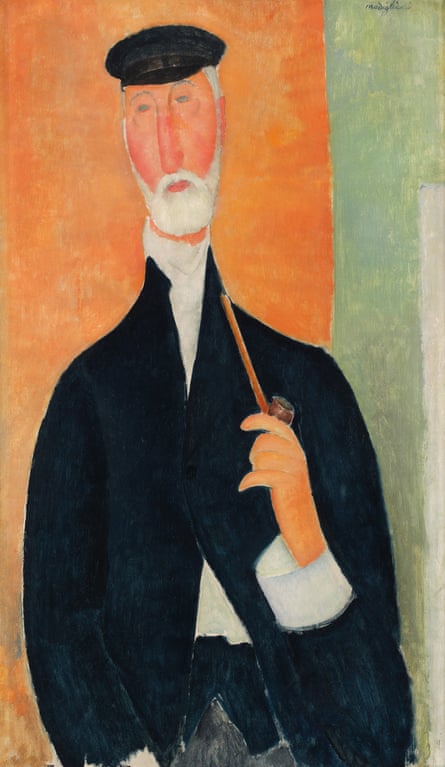
The cultural significance of maintaining and trading these masterpieces in public venues like auction houses cannot be overstated. Each sale creates a moment of heightened public awareness about important works of art, even if the eventual ownership passes to private collectors. The media attention surrounding major auctions, combined with the catalogs and research produced by auction houses, contributes substantially to art historical scholarship and public appreciation of significant cultural artifacts. These transactions, while fundamentally commercial in nature, serve important functions in maintaining the visibility and discourse surrounding crucial works of modern art.
Beyond the specific works mentioned, the broader context of London as an auction destination speaks to the city's enduring importance in the global art world. The presence of major auction houses, established galleries, prestigious museums, and a sophisticated collector base has made London an essential hub for art market activities. This reputation has been built over centuries and continues to attract consignments of exceptional quality, ensuring that London remains at the forefront of international art commerce.
As the auction approaches, anticipation builds among collectors, curators, and art market observers eager to witness the results. The final prices realized will provide important benchmarks for these artists' market valuations and may influence collecting priorities in the months and years ahead. Whether the sale achieves its lofty estimates will depend on the enthusiasm of bidders in the room and online, the economic climate facing major collectors, and the intangible factor of market sentiment toward these particular works. Regardless of the final outcomes, the historic auction represents a significant moment in the annual calendar of international art commerce and a testament to the enduring power of these canonical masterpieces to command attention and investment capital.
The convergence of Klimt, Matisse, and Freud's works in a single London auction event underscores the global significance of these artists and the continued vitality of the market for museum-quality works. Collectors and institutions worldwide will undoubtedly monitor this sale closely, recognizing it as an important indicator of broader trends in how contemporary society values and preserves the artistic achievements of the modern era. The upcoming event promises to be not merely a commercial transaction but a cultural moment that reinforces the enduring relevance of these magnificent artistic achievements.
Source: The Guardian


