
Looksmaxxing Influencer Faces Charges for Alleged Airboat Alligator Shooting

Popular looksmaxxing influencer Clavicular charged after allegedly livestreaming himself shooting at an alligator from an airboat in controversial incident.
A prominent looksmaxxing influencer known online as Clavicular has found himself at the center of a legal controversy following allegations that he livestreamed himself firing gunshots at an alligator while operating an airboat. The incident has sparked widespread debate about wildlife protection laws, social media responsibility, and the lengths to which content creators will go for engagement and viral moments. Authorities have launched an investigation into the matter, which allegedly occurred during a live broadcast that was viewed by thousands of followers in real-time.
The alleged airboat incident represents a troubling convergence of extreme content creation and potential wildlife violations. According to reports, Clavicular livestreamed the entire encounter to his substantial social media following, documenting the moment he allegedly discharged firearms toward the alligator. The content creator, who has built his platform around the looksmaxxing movement—a subculture focused on maximizing physical attractiveness through various means—appears to have prioritized entertainment value over legal and ethical considerations. The livestream reportedly garnered significant viewership, with hundreds of viewers tuning in to watch the controversial incident unfold in real-time.
Looksmaxxing communities have grown exponentially across social media platforms in recent years, with influencers like Clavicular accumulating hundreds of thousands of followers through content focused on fitness, aesthetic enhancement, and lifestyle optimization. However, this incident highlights the potential dangers when such platforms intersect with reckless behavior and wildlife endangerment. The shooting allegations have raised serious questions about the boundaries of acceptable content creation and whether platform algorithms inadvertently incentivize increasingly extreme and dangerous behavior among content creators seeking attention and views.
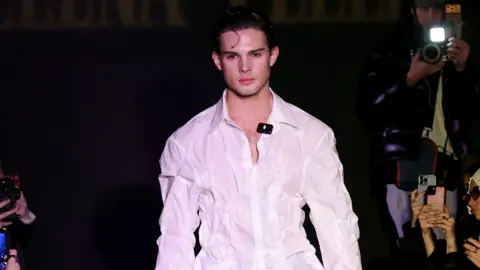
Wildlife protection agencies have taken the allegations seriously, with investigators examining the livestream footage and interviewing witnesses who may have observed or recorded the incident. The charges against Clavicular could involve multiple violations depending on the jurisdiction where the incident occurred, potentially including illegal hunting, animal cruelty statutes, and improper discharge of firearms in sensitive wildlife areas. Alligator shooting is heavily regulated in most states where these reptiles are found, with strict licensing requirements and designated hunting seasons designed to protect the species and maintain ecological balance.
Environmental advocates have used the incident as a case study in why stronger social media regulation and platform accountability are necessary. The influencer controversy demonstrates how the pursuit of viral content can lead creators to ignore laws designed to protect endangered ecosystems and wildlife populations. Many observers have called for social media platforms to implement stronger policies preventing the promotion and monetization of content depicting animal harm or illegal activities. The incident also raises questions about the responsibility platforms bear when their algorithms amplify dangerous content.
Clavicular's case is not isolated within the influencer community, where numerous creators have faced legal consequences for wildlife-related offenses documented on social media. From illegal animal possession to endangered species violations, the trend of content creators pushing legal and ethical boundaries for engagement has become increasingly common. This particular incident, however, has garnered exceptional attention due to the combination of the looksmaxxing influencer's substantial following and the shocking nature of the alleged livestreamed animal shooting. The case serves as a cautionary tale about the potential consequences of prioritizing views over responsibility.
The charges against the content creator are pending further investigation, with authorities working to establish the timeline of events and gather additional evidence from the livestream recording. Legal experts suggest that Clavicular could face significant penalties if convicted, potentially including substantial fines, probation, and even jail time depending on the severity of the charges and any resulting harm to the alligator. Additionally, civil suits from environmental organizations or wildlife protection groups are possible, further complicating the legal landscape the influencer now faces.
This case highlights the ongoing tension between social media freedom and responsible content creation. The wildlife endangerment allegedly documented in the livestream has prompted broader conversations about influencer accountability and the need for clearer guidelines governing what constitutes acceptable content. Many in the digital media community have called for educational initiatives to help content creators understand the legal and ethical implications of their actions, particularly when those actions are broadcast to potentially millions of viewers worldwide.
The looksmaxxing community itself has been somewhat divided in response to the allegations. While some followers have defended Clavicular or questioned the seriousness of the charges, others have expressed disappointment and criticized the alleged behavior as harmful to both wildlife and the reputation of the broader movement. Fitness influencers and content creators within the space have distanced themselves from Clavicular, emphasizing that responsible content creation should always take precedence over viral moments. This fracturing within the community reflects larger debates about standards and conduct within influencer spaces.
The incident also underscores the need for stronger media literacy education, particularly among younger audiences who consume influencer content regularly. Teaching viewers to critically evaluate the content they watch and understand the potential consequences of sensationalized behavior could help reduce demand for such extreme content. Additionally, platforms themselves bear responsibility for moderating content that depicts animal harm or illegal activities, as their monetization systems often directly incentivize creators to produce increasingly shocking and dangerous material.
As the case proceeds through legal channels, the alligator incident will likely serve as a reference point for future discussions about influencer responsibility and platform accountability. The outcome could potentially set precedents for how similar cases are handled moving forward. Whether the charges result in conviction or acquittal, the incident has already damaged Clavicular's reputation and raised important questions about the boundaries of content creation in the digital age. The situation represents a critical moment for social media platforms and the influencer community to collectively reassess their standards and implement meaningful changes to prevent similar incidents.
Source: BBC News


