
Lotus Shifts Strategy: Combustion Engines Make Comeback

Luxury automaker Lotus announces major strategic pivot, returning to traditional combustion engines alongside electric vehicles in its future lineup.
Lotus, the legendary British luxury automaker, has announced a significant strategic shift that marks another dramatic transformation for the company. In a move that surprised many industry observers, the Norfolk-based manufacturer has committed to reintroducing combustion engines into its vehicle portfolio, departing from its previous exclusive focus on electric vehicle development that had dominated corporate strategy in recent years.
This announcement represents the latest in a series of ambitious pivots that have characterized Lotus's operational direction under its current ownership structure. The decision comes after the company invested heavily in transitioning its entire lineup toward battery-electric technology, signaling a complete overhaul of its manufacturing philosophy and product development roadmap.
The return to internal combustion engine technology reflects broader trends within the global automotive industry, where several premium manufacturers have reconsidered aggressive all-electric timelines. Industry analysts suggest that this recalibration indicates changing market demands and the practical challenges that luxury car makers face in transitioning their entire production capabilities within compressed timeframes.
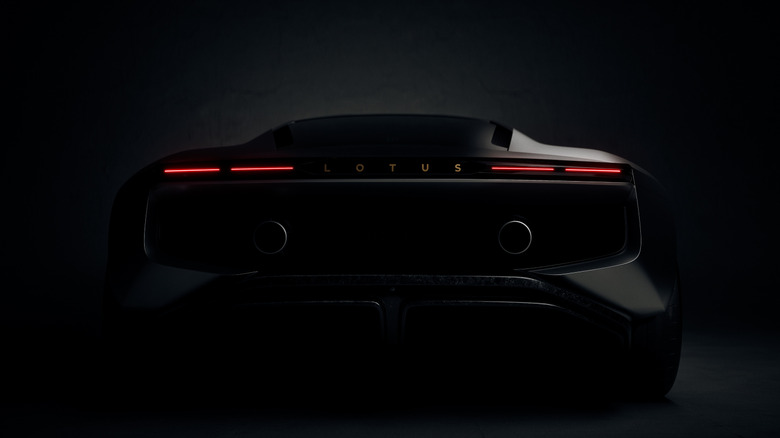
Lotus's leadership team has emphasized that this strategic reorientation does not represent an abandonment of electric vehicle development, but rather a more balanced approach to meeting diverse customer preferences and market conditions across different geographic regions. The company plans to maintain its commitment to sustainable mobility while acknowledging the continued demand for high-performance combustion-engine vehicles among its traditional customer base.
The UK car manufacturer's decision reflects practical considerations regarding production capacity, supply chain constraints, and the timeline required for developing and manufacturing sufficient quantities of battery-electric vehicles to sustain profitability. By maintaining a hybrid portfolio strategy, Lotus aims to bridge the gap between its long-term electrification goals and near-term revenue requirements.
This latest pivot demonstrates the complexity facing luxury automotive brands as they navigate the energy transition. While governments worldwide have set ambitious timelines for phasing out combustion engine vehicles, many manufacturers recognize that customer adoption rates and charging infrastructure development may not align with these regulatory expectations in all markets.
Industry observers note that Lotus has experienced considerable organizational turbulence over the past several years, with multiple strategic reorientations affecting everything from corporate structure to product development priorities. The return to combustion engines suggests that the company's leadership has reassessed fundamental assumptions about market timing and customer demand that guided previous planning cycles.
The automotive industry landscape continues to evolve rapidly, with different manufacturers adopting varied approaches to electrification timelines and technology deployment. Some established luxury brands have committed to full electrification by specific target dates, while others have opted for more flexible approaches that accommodate both traditional powertrains and electric options during transition periods.
Lotus's announcement may influence broader industry discussions about the realistic pace of automotive electrification. The company's experience suggests that maintaining production volumes and market competitiveness during technological transitions requires flexibility and pragmatic decision-making, even when such decisions contradict previously announced strategic commitments.
Looking forward, Lotus faces the significant challenge of developing and launching new combustion engine vehicles while simultaneously advancing its electric vehicle program. This dual-track approach requires substantial capital investment, engineering resources, and manufacturing flexibility to accommodate different powertrain technologies across multiple production facilities and supply chains.
The company's strategic flexibility demonstrates the ongoing complexity of managing large manufacturing organizations during periods of transformative technological change. While sustainability and emissions reduction remain important industry imperatives, Lotus's latest pivot reflects the practical reality that market transformation occurs more gradually than regulatory frameworks might suggest.
As the automotive sector continues evolving, Lotus's experience will likely provide valuable insights into how established manufacturers balance long-term environmental commitments with near-term business imperatives and customer expectations.
Source: Engadget


