
Lunar Landers Prepare for Artemis: New Plan Unveiled

NASA shakes up Artemis program, increases launch cadence and emphasizes lunar surface activities. Landers like SpaceX's Starship and Blue Origin's Blue Moon MK2 to play crucial role.
NASA Administrator Jared Isaacman recently unveiled a major shakeup in the Artemis Program, aimed at putting the nation back on a better path to the Moon. The changes focused primarily on increasing the launch frequency of NASA's massive SLS rocket and placing a greater emphasis on lunar surface operations.
Shortly after, the US Senate indicated that it broadly supported these plans, signaling a renewed commitment to the Artemis initiative. However, a critical element of the program has not received as much attention: the lunar landers capable of transporting astronauts from orbit to the lunar surface and back.

NASA has contracted with SpaceX and Blue Origin to develop these essential landers, known as Starship and Blue Moon MK2, respectively. As part of the revamped Artemis III mission, Isaacman stated that one or both of these landers will now be tested near Earth before being called upon to land humans on the Moon later this decade.
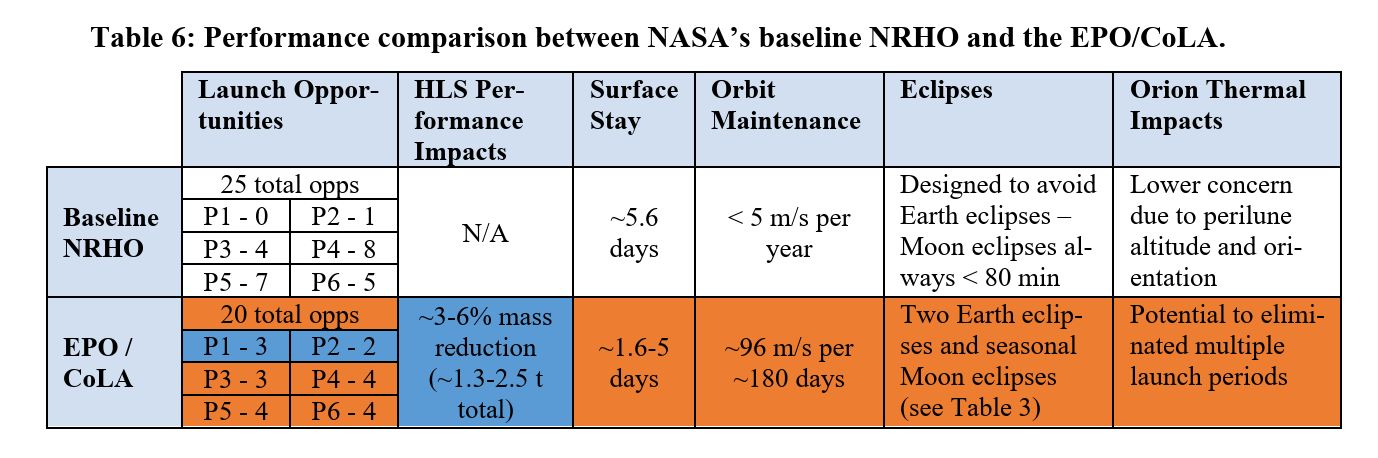
This move represents a significant shift in the Artemis timeline, as the initial plan was to utilize the Gateway orbiting lunar outpost as the rendezvous point for the Orion spacecraft and the lunar landers. With the Gateway's future now uncertain, the question arises: where will these lunar landers meet up with Orion?

The revamped Artemis approach aims to accelerate the timeline for lunar surface activities, placing a greater emphasis on the crucial role of the lunar landers. This shift underscores the importance of these vehicles in the overall success of the Artemis program, as they will be responsible for the final and most critical leg of the journey to the lunar surface.
As NASA continues to refine its Artemis strategy, the relationship between the Orion spacecraft, the lunar landers, and the potential role of the Gateway will be a key focus area. The outcome of these decisions will have a significant impact on the future of crewed lunar exploration and the overall timeline for the Artemis program.
The shakeup in the Artemis program underscores the dynamic and evolving nature of the mission to return humans to the Moon. With increased launch cadence, a greater emphasis on lunar surface activities, and the crucial role of the lunar landers, the Artemis program is poised to take significant steps forward in the coming years. As the plan continues to unfold, the interplay between the various components of the mission will be a closely watched and pivotal aspect of this historic endeavor.
Source: Ars Technica


