
Luxury Cruise Hantavirus Crisis: 8 Cases, 3 Deaths

A deadly hantavirus outbreak aboard the MV Hondius cruise ship off West Africa has claimed 3 lives. Learn what happened and health implications.
A luxury cruise ship hantavirus outbreak of unprecedented proportions has unfolded off the coast of West Africa, capturing international headlines and reigniting pandemic-era health concerns among travelers worldwide. The situation aboard the Dutch-flagged vessel represents a rare and alarming public health emergency that has prompted swift action from maritime and health authorities across multiple continents. This developing crisis underscores the unique vulnerabilities of cruise ship environments and the challenges modern medicine faces when containing infectious diseases in confined, mobile settings.
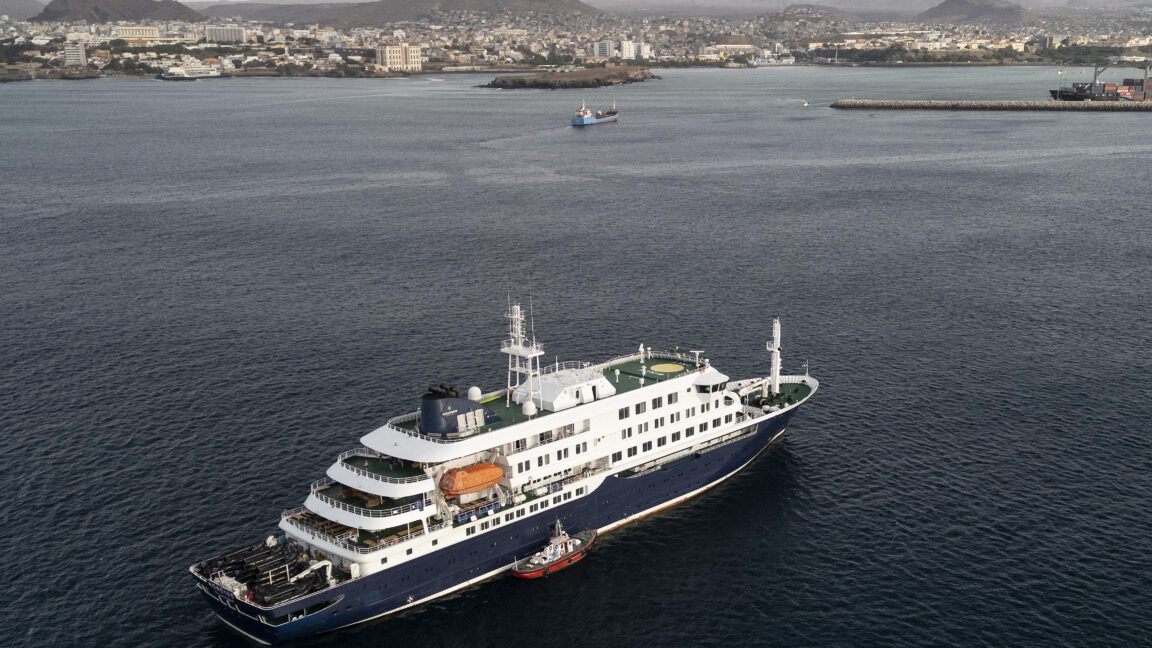
The MV Hondius cruise ship incident involves eight confirmed cases of hantavirus infection, with three individuals succumbing to the disease. The vessel, which departed from Ushuaia, Argentina, on April 1 as part of an expedition cruise, continues to carry 147 passengers and crew members who remain under strict quarantine protocols. All individuals currently aboard the ship are being monitored closely for any symptoms, with instructions to remain isolated in their cabins until further notice. The situation has evolved into a critical maritime health emergency that demands coordinated international response and specialized medical expertise.
The cruise ship is currently navigating a three to four-day voyage that commenced on the evening of May 6, traveling from Cape Verde toward the Canary Islands. Spanish authorities have committed to providing assistance when the vessel reaches its destination, preparing facilities and medical resources for the affected passengers and crew. This intermediate destination represents a crucial checkpoint in the management of the outbreak, offering an opportunity for proper disembarkation protocols and comprehensive medical evaluations. The journey toward the Canary Islands has become a critical window for health officials to finalize safety procedures and prepare quarantine facilities.
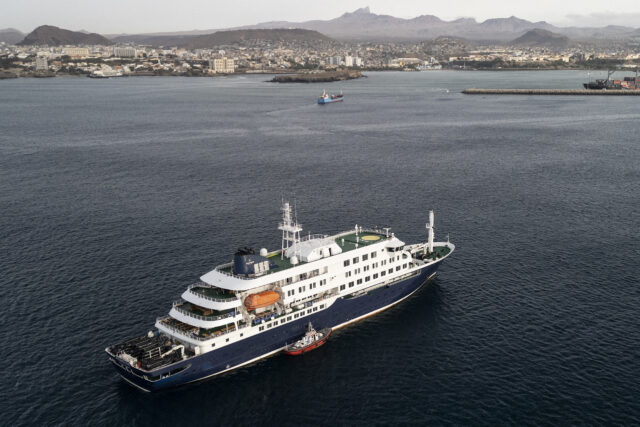
Hantavirus outbreak response teams assembled by the World Health Organization are working at an accelerated pace to develop novel protocols ensuring safe disembarkation of the remaining passengers and crew. These expert teams are collaborating with Spanish health authorities, maritime organizations, and epidemiologists to create comprehensive procedures that minimize transmission risk while allowing individuals to leave the ship safely. The development of these unprecedented protocols reflects the serious nature of the outbreak and the necessity for innovative solutions in maritime health emergencies. Every aspect of the disembarkation process is being meticulously planned to prevent further spread while maintaining the dignity and wellbeing of those aboard.
Health authorities are simultaneously engaged in aggressive contact tracing and monitoring efforts targeting approximately 30 former passengers who disembarked at the remote island of St. Helena on April 24. This date is particularly significant because it occurred before the hantavirus cases were officially identified and reported. The individuals who left the ship at St. Helena represent a critical concern for epidemiological tracking, as they may have carried the virus while traveling to various destinations globally. Authorities across multiple nations have been notified and are implementing surveillance protocols to identify any secondary infections that may have emerged from this group of former passengers.
Hantavirus itself is a serious infectious disease transmitted primarily through contact with infected rodent droppings, urine, or saliva, making cruise ship environments particularly concerning given the potential for rodent infestations in cargo holds and food storage areas. The virus can cause hantavirus pulmonary syndrome, characterized by fever, muscle aches, cough, and in severe cases, respiratory distress and organ failure. The three fatalities associated with this outbreak highlight the disease's potential severity and the importance of rapid diagnosis and supportive medical care. Understanding the transmission mechanisms is crucial for implementing effective containment and prevention strategies aboard the vessel.
The expedition cruise industry has been scrutinized following this outbreak, with particular attention paid to biosecurity measures and rodent control protocols on luxury vessels. The MV Hondius, operated by Oceanwide Expeditions, is a specialized expedition cruise ship designed for remote and challenging destinations, which may present unique challenges for maintaining standard sanitation and pest control measures. The ship's itinerary takes it to isolated locations where supplies and maintenance may be complicated, potentially affecting the vessel's ability to maintain rigorous health standards. This incident has prompted the entire cruise industry to re-examine their biosecurity frameworks and pest management protocols.

The psychological impact of this cruise ship disease outbreak extends beyond the immediate passengers and crew, affecting consumer confidence in the cruise industry during a period when travel sectors are still recovering from pandemic-related disruptions. Social media has amplified concerns about cruise ship safety, with travel communities extensively discussing the risks associated with confined maritime environments and shared ventilation systems. Media coverage has drawn inevitable comparisons to previous cruise ship disease incidents, including COVID-19 outbreaks that devastated the industry's reputation. This outbreak serves as a stark reminder of the unique vulnerability of cruise ship passengers to infectious disease transmission.
Diagnostic testing and confirmation of hantavirus cases aboard the MV Hondius required sophisticated laboratory analysis, as the disease's symptoms can initially mimic other common ailments such as influenza or respiratory infections. The identification process likely involved reverse transcription polymerase chain reaction testing and serological analyses to confirm the presence of hantavirus-specific antibodies. Early detection of subsequent cases aboard the vessel has been critical in preventing further transmission and implementing appropriate isolation measures. The medical team aboard the ship and coordinating health authorities have demonstrated rapid response capabilities in identifying and confirming each case.
Preventive measures implemented across the MV Hondius include enhanced sanitation protocols, comprehensive pest control operations, and strict isolation of symptomatic individuals. Deep cleaning procedures have been executed in common areas, dining facilities, and crew quarters to eliminate potential sources of hantavirus contamination. Food storage areas and cargo holds have received particular attention, with professional pest control teams working to identify and eliminate any rodent infestations that may be harboring the virus. These proactive measures aim to prevent additional cases while the ship continues its journey toward the Canary Islands.
The role of international cooperation in managing this maritime health emergency cannot be overstated, with the World Health Organization, Spanish authorities, Argentine officials, and other nations coordinating comprehensive response efforts. Communication channels between maritime organizations, health agencies, and the cruise operator have been established to ensure real-time information sharing and coordinated decision-making. This international framework demonstrates the importance of global health governance structures in responding to disease outbreaks that transcend national boundaries. The collaborative approach being employed provides a model for future maritime health emergencies and disease outbreak management on the high seas.
Passengers and crew members aboard the MV Hondius are receiving comprehensive medical support, including monitoring for symptom development, laboratory testing, and treatment protocols designed to manage hantavirus infection if diagnosed. Mental health support and psychological counseling are also being provided to address the emotional toll of quarantine and disease concerns. Communication with family members and loved ones has been facilitated to reduce anxiety and keep those aboard informed about their situation and expected timeline for disembarkation. The holistic care approach recognizes that health encompasses both physical and psychological wellbeing during this unprecedented maritime crisis.
Looking forward, this outbreak will likely prompt significant changes in cruise industry regulations and operational standards, particularly regarding biosecurity and infectious disease preparedness. Insurance and liability considerations may shift following this incident, potentially affecting how cruise operators structure their operations and maintain safety protocols. Future expedition cruises to remote destinations may face enhanced scrutiny and regulatory requirements to ensure adequate medical facilities and disease response capabilities. The cruise industry will need to implement lessons learned from this outbreak to prevent similar incidents and maintain passenger confidence in maritime travel safety.
Source: Ars Technica

