
macOS Liquid Glass Update: Design Tweaks Incoming

Apple reportedly refines Liquid Glass design in next macOS to address legibility concerns in text-heavy interfaces and list displays.
Apple is reportedly preparing significant refinements to its Liquid Glass design aesthetic for the upcoming iteration of macOS, according to insider sources familiar with the company's development roadmap. The adjustments are specifically targeted at addressing persistent legibility issues that have surfaced since the introduction of the distinctive frosted glass effect in recent macOS versions. These modifications represent Apple's continued commitment to balancing visual appeal with functional usability across its operating system interface.
The Liquid Glass effect, which debuted as a signature design element in Apple's recent macOS releases, features a semi-transparent, frosted appearance that creates a sophisticated visual hierarchy throughout the operating system. However, user feedback and accessibility reports have indicated that certain interface elements—particularly in list-heavy interfaces and dense text areas—can suffer from reduced contrast and clarity when rendered with this aesthetic treatment. Apple developers have been working to identify and resolve these specific pain points without compromising the overall design language that users have grown to appreciate.
The upcoming tweaks are expected to focus primarily on enhancing readability in areas where information density is high, such as file explorers, email clients, and document management systems. By refining the opacity levels, blur radius, and color values associated with the Liquid Glass treatment, Apple aims to maintain visual consistency while improving the functionality of these critical interface sections. The changes will likely involve subtle adjustments to background colors and text contrast ratios to ensure compliance with accessibility standards and wcag guidelines.
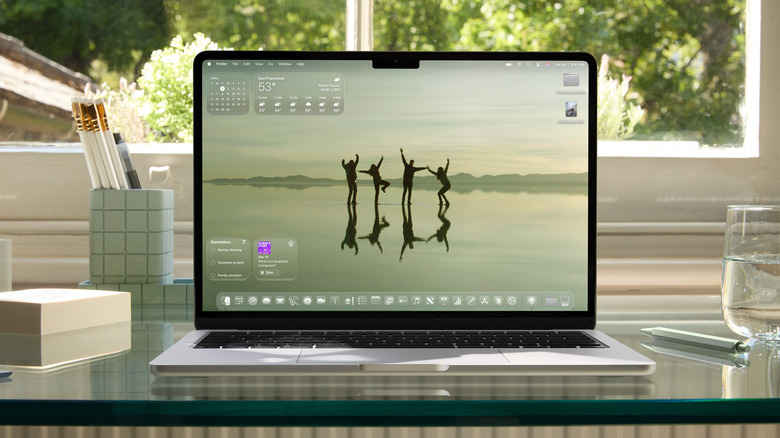
Text-heavy applications within the macOS ecosystem have presented particular challenges for the Liquid Glass implementation. Features like finder windows containing extensive file lists, mail applications displaying message threads, and notes applications with substantial written content have reportedly required special attention during the design refinement process. Apple's engineering teams have been conducting extensive usability testing to identify threshold points where the frosted glass aesthetic begins to impact readability negatively, ensuring that the final implementation strikes an optimal balance between form and function.
Industry analysts note that this iterative approach to design refinement is characteristic of Apple's philosophy toward user experience development. Rather than abandoning the Liquid Glass aesthetic entirely in response to criticism, the company is choosing to optimize and enhance the original concept. This methodology demonstrates Apple's confidence in the overall design direction while acknowledging the legitimate concerns raised by users and accessibility advocates who depend on clear, easily readable interfaces for daily productivity.
The modifications to the macOS interface design are expected to be unveiled during Apple's next major operating system announcement, likely coinciding with the company's traditional annual software update cycle. Early indications suggest that the refinements will extend beyond simple visual adjustments, potentially including improved rendering algorithms that dynamically adjust the glass effect based on content type and density. This intelligent approach would enable the system to maintain aesthetic consistency while ensuring that critical information remains legible across all scenarios.
The development process has reportedly involved collaboration between Apple's human interface design team, engineering department, and accessibility specialists to ensure comprehensive solutions. Input from users who rely on screen readers, high-contrast modes, and other accessibility features has been particularly valuable in shaping the direction of these modifications. By prioritizing inclusivity alongside aesthetics, Apple is reinforcing its commitment to creating technology that serves the broadest possible user base effectively.
Existing macOS users can expect the updated Liquid Glass implementation to be available through a standard software update, ensuring seamless adoption across the installed user base. The transition will be transparent for most users, though those who have customized their system preferences or rely on specific visual settings may notice subtle refinements to how interface elements appear and respond. Apple's documentation and release notes will likely include detailed information about the specific improvements made to address legibility concerns.
Looking forward, the refinement of the Liquid Glass design language signals Apple's ongoing investment in creating interfaces that evolve and mature based on real-world usage patterns and user feedback. The company's willingness to address design challenges head-on rather than ignoring them demonstrates a sophisticated understanding of the relationship between visual design and practical functionality. As the Liquid Glass aesthetic continues to develop across Apple's ecosystem, future iterations will likely benefit from the lessons learned during this refinement process, informing design decisions for years to come.
The broader implications of these design tweaks extend beyond macOS itself, as Apple typically applies successful design patterns across its entire product lineup including iOS, iPadOS, and watchOS. The solutions developed to address Liquid Glass legibility in macOS may inform similar adjustments in other operating systems, creating a more cohesive and refined experience across all Apple platforms. This cross-platform consistency has been a hallmark of Apple's design philosophy and continues to be a competitive advantage in the marketplace.
Source: Engadget


