
Magyar Voters Push for Climate Action and LGBTQ+ Rights

New Hungarian PM Péter Magyar's supporters demand stronger climate policies and LGBTQ+ protections in exclusive poll findings after election victory.
An exclusive poll reveals that Hungarian voters who supported newly elected Prime Minister Péter Magyar are making their priorities unmistakably clear: they want immediate action on climate change and robust protection for LGBTQ+ rights. The survey findings underscore the shifting political landscape in Hungary following the historic election that ended Viktor Orbán's decade-and-a-half grip on power, signaling a significant departure from the previous administration's environmental and social policies.
More than three-quarters of Hungarians who voted for Magyar in the recent election have expressed their desire for his government to prioritize addressing the climate crisis, demonstrating widespread environmental consciousness among the coalition's base. Additionally, more than 70% of these voters want the new administration to implement and strengthen LGBTQ+ protection measures, reflecting growing support for progressive social policies that were largely sidelined during the Orbán era. These figures suggest that a substantial portion of the Hungarian electorate is eager for transformative change in governance.
Magyar's opposition Tisza party achieved a remarkable supermajority in the election, fundamentally reshaping Hungary's political landscape after 16 consecutive years of Orbán-led governance. The electoral victory represents not merely a shift in leadership but a potential pivot in Hungary's approach to critical European Union issues, economic policy, and social governance. The new prime minister is scheduled to be sworn in on Saturday, formally ending an era that had drawn criticism from EU officials and international observers concerned about democratic backsliding.
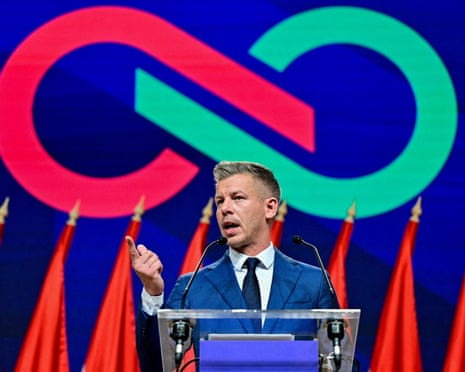
The election results sparked jubilation throughout Budapest and Brussels, with celebrations erupting across major cities and EU institutions expressing cautious optimism about Hungary's potential democratic renewal. EU leaders and European officials have watched closely as the Hungarian electorate decisively chose a new direction, hoping that the transition might ease tensions between Budapest and Brussels that had intensified during Orbán's tenure. The turnout and margin of victory demonstrated public appetite for substantive policy changes across multiple domains.
However, the poll reveals that voters remain deeply divided on critical European Union matters, particularly regarding support for Ukraine and energy independence from Russian resources. This internal disagreement suggests that while the electorate united around rejecting Orbán's long rule, consensus on certain foreign policy and energy matters remains elusive. The divergence in opinions on these issues could present significant challenges for Magyar as he seeks to chart Hungary's course within the broader European context.
The question of Ukraine support has emerged as a particularly contentious issue, reflecting Hungary's complex geopolitical position and historical relationships. During Orbán's administration, Hungary frequently blocked or delayed EU sanctions against Russia and displayed reluctance toward robust military support for Ukraine, creating friction with other member states. Magyar's government faces the challenging task of rebuilding trust with Western allies while potentially navigating domestic constituencies with varying perspectives on Eastern European security dynamics.
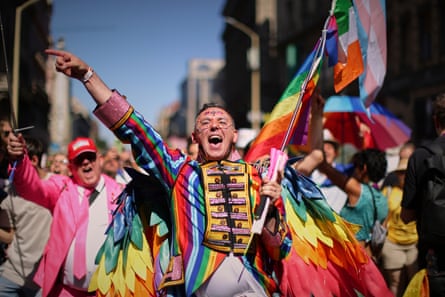
Energy dependence represents another flashpoint where Hungarian voters express conflicting views, with significant segments of the population worried about transitioning away from Russian gas supplies that have historically provided cost advantages. The nation's reliance on Russian energy has made Hungary vulnerable to geopolitical pressures and limited its ability to act independently in foreign policy matters. Addressing this vulnerability while maintaining affordable energy for citizens represents one of the most complex policy challenges facing Magyar's new administration.
The timing of these poll findings—conducted before Magyar's official swearing-in—provides crucial insight into the expectations that will shape his early days in office. Voters have signaled their priorities through both their electoral choices and their responses to this survey, effectively creating a mandate for progressive environmental and social policies. The new government will need to balance these domestic expectations with Hungary's obligations as an EU member state and its broader relationships within the international community.
Climate policy represents an area where Magyar's government could align Hungary more closely with European Union directives and climate commitments. The EU has established ambitious targets for carbon neutrality by 2050, and Hungary's participation in achieving these goals has been inconsistent under previous leadership. With three-quarters of his supporters demanding climate action, Magyar has substantial political capital to implement renewable energy initiatives, update industrial standards, and modernize transportation infrastructure.
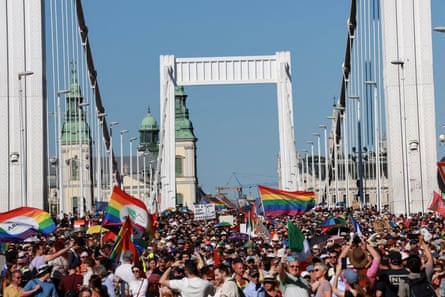
Similarly, LGBTQ+ rights protection has become an increasingly important metric for EU membership standards and democratic legitimacy. The previous Orbán government had implemented several policies that marginalized LGBTQ+ communities, drawing criticism from human rights organizations and EU institutions. With over 70% of Magyar voters supporting expanded protections, the new government has a clear directive to reverse course and establish Hungary as a more inclusive and rights-respecting nation.
The broader implications of this survey extend beyond immediate policy implementation to signal a generational shift in Hungarian political consciousness. Younger voters, in particular, appear to prioritize environmental sustainability and social inclusion—values that aligned them with Magyar's Tisza party. This demographic reality suggests that future Hungarian governments, regardless of party affiliation, will need to account for these evolving priorities in their policy platforms.
As Magyar prepares to assume office, the challenge will lie in translating voter expectations into concrete governance outcomes. While the mandate appears clear on climate and LGBTQ+ issues, the divisions on foreign policy matters suggest that broader consensus-building will be necessary. The new prime minister must simultaneously satisfy his supporters' progressive demands while maintaining Hungary's position within the EU and managing relationships with neighboring nations and international partners.
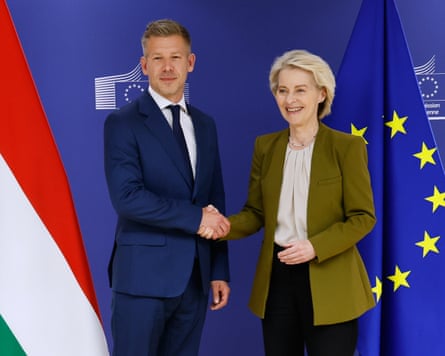
The poll results ultimately demonstrate that Hungarian democracy remains vibrant and that electoral competition can produce meaningful transitions in governance. Whether Magyar's administration can successfully implement the agenda that voters have clearly articulated will significantly influence Hungary's trajectory over the coming years and its standing within the broader European Union framework.
Source: The Guardian


