
MAHA Movement Erupts After RFK Jr. Backs Glyphosate Order

Robert F. Kennedy Jr. sparks outrage among Make America Health Again supporters by endorsing Trump's executive order to boost glyphosate production.
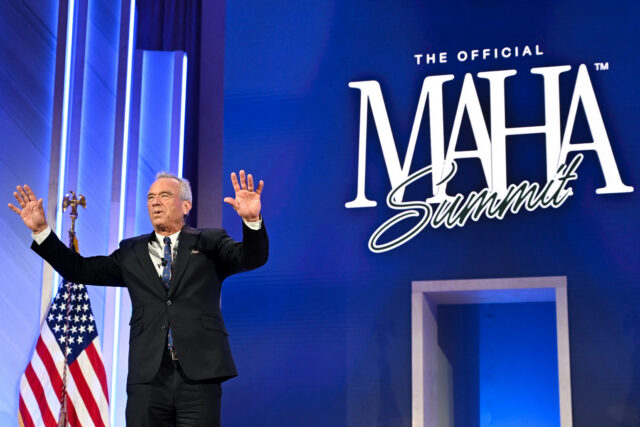
The Make America Health Again movement finds itself in unprecedented turmoil following a shocking reversal by its founder, Robert F. Kennedy Jr., who publicly endorsed President Trump's controversial executive order on Wednesday. The directive aims to significantly increase domestic production of glyphosate, a widely-used herbicide that has become the movement's primary target in their crusade against what they perceive as harmful agricultural chemicals. This unexpected policy shift has sent shockwaves through the MAHA community, with supporters expressing feelings of betrayal and abandonment by their once-trusted leader.
The controversy centers around glyphosate, the active ingredient in Roundup weed killer, which has been at the heart of numerous legal battles and health debates over the past decade. MAHA activists have consistently positioned themselves as fierce opponents of the chemical, citing concerns about its potential links to cancer and other health issues. Kennedy himself has been one of the most vocal critics of glyphosate, having previously represented clients in lawsuits against Monsanto, the chemical's original manufacturer. His sudden support for increased domestic production represents a complete 180-degree turn from his established position, leaving his followers questioning his motives and commitment to their shared cause.
Prominent MAHA ally Vani Hari, widely recognized by her online persona "Food Babe," has emerged as one of the most vocal critics of Kennedy's policy reversal. In her statement to The Washington Post, Hari expressed her profound disappointment and disbelief at the development. Her admission of being left "speechless" carries particular weight given her reputation as an outspoken advocate for food transparency and chemical-free agriculture. Hari has built a substantial following by challenging food industry practices and promoting what she considers healthier alternatives to conventional agricultural methods.
"We truly were hoping that this administration would put people over corporate power," Hari explained in her candid assessment of the situation. "But this action moves us away from that commitment." Her words reflect the broader sentiment within the MAHA community, where members feel that their grassroots movement has been co-opted by political considerations that run counter to their fundamental beliefs about public health and environmental safety.
The executive order itself represents a significant shift in agricultural policy, prioritizing domestic chemical production over environmental and health concerns that have dominated public discourse in recent years. Trump's directive is framed as a matter of national security and economic independence, reducing America's reliance on foreign-produced agricultural chemicals. However, critics argue that the order prioritizes short-term economic gains over long-term public health considerations, potentially exposing American consumers and agricultural workers to increased chemical exposure.
Industry supporters of the executive order argue that increased glyphosate production will strengthen America's agricultural sector by providing farmers with more affordable and readily available herbicide options. They contend that glyphosate, when used according to EPA guidelines, poses minimal risk to human health and represents an essential tool in modern farming practices. These advocates point to regulatory approvals in multiple countries as evidence of the chemical's safety profile, dismissing health concerns as unfounded fear-mongering.
The scientific community remains divided on glyphosate's safety profile, with studies producing conflicting results about its potential health impacts. While the Environmental Protection Agency maintains that glyphosate is safe when used as directed, the International Agency for Research on Cancer classified it as a "probable carcinogen" in 2015. This scientific uncertainty has fueled ongoing debates about appropriate regulatory oversight and has provided ammunition for both supporters and opponents of increased glyphosate use.
Within the MAHA movement, Kennedy's policy reversal has sparked intense internal discussions about leadership, authenticity, and the movement's future direction. Many longtime supporters are questioning whether their leader has been compromised by political pressures or personal ambitions that conflict with the movement's core principles. Some members are calling for new leadership that will remain steadfast in opposing what they view as harmful chemical interventions in food production.
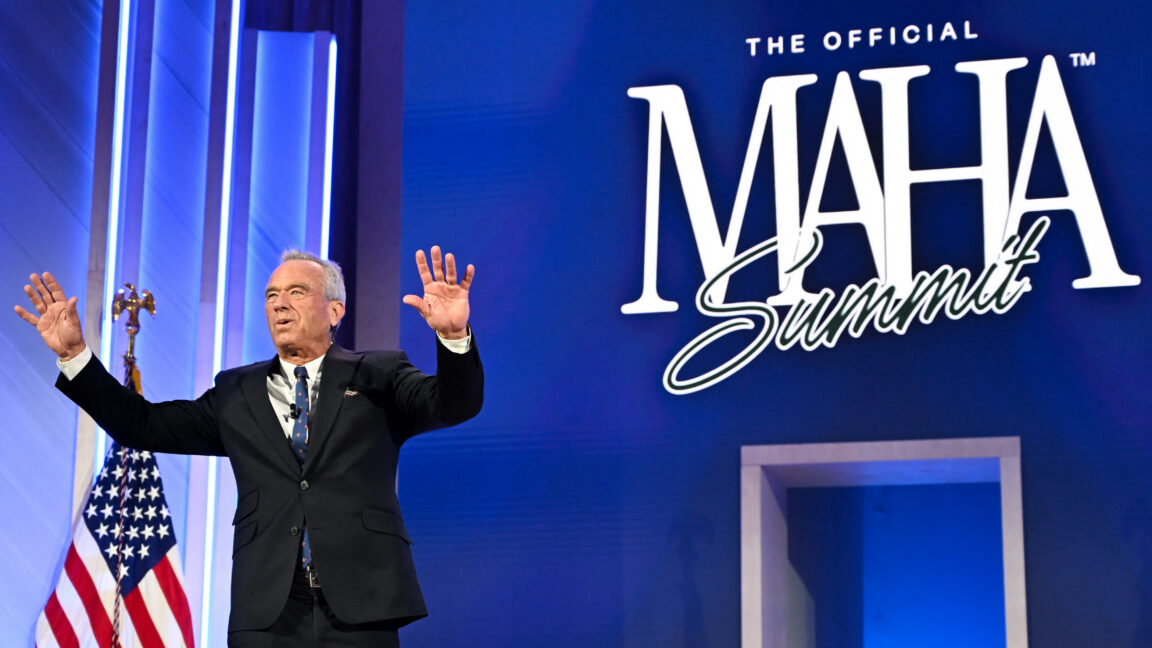
The timing of Kennedy's endorsement has particularly frustrated MAHA activists, coming just months after the movement gained significant political momentum and mainstream recognition. Many supporters invested considerable time, energy, and resources in promoting Kennedy's vision of a healthier America, built on the foundation of reducing chemical exposure and promoting natural alternatives. His apparent abandonment of these principles has left many feeling politically homeless and uncertain about how to proceed with their advocacy efforts.
Political analysts suggest that Kennedy's position may reflect the complex realities of governing versus campaigning, where idealistic positions must sometimes yield to practical considerations and political compromises. The Trump administration may view increased domestic chemical production as essential for national security and economic competitiveness, regardless of health concerns raised by advocacy groups. This perspective prioritizes American industrial capacity and job creation over the environmental and health considerations that drive MAHA activism.
The backlash against Kennedy's position extends beyond individual disappointment to fundamental questions about the movement's organizational structure and decision-making processes. Critics within MAHA argue that Kennedy's unilateral support for the executive order demonstrates a lack of democratic input from movement members and a disconnection from grassroots sentiment. They contend that a true health-focused movement should prioritize member input and scientific evidence over political expediency and partisan loyalty.
Food industry observers note that the controversy highlights the ongoing tension between agricultural productivity and health advocacy in American policy debates. The glyphosate controversy represents a microcosm of larger disagreements about how to balance economic interests with public health concerns. These debates often involve complex scientific questions, regulatory interpretations, and competing risk assessments that make definitive policy positions challenging to maintain.

Some MAHA members are exploring alternative organizational structures that would prevent future policy reversals by distributing leadership authority among multiple advocates rather than relying on a single figurehead. These discussions reflect broader concerns about personality-driven movements and the risks associated with investing too much authority in individual leaders who may change their positions based on political calculations rather than scientific evidence or member input.
The controversy has also attracted attention from environmental groups and public health organizations that share MAHA's concerns about pesticide exposure and chemical safety. Many of these organizations are watching the MAHA response closely, as it may influence broader coalition-building efforts around agricultural reform and chemical regulation. The movement's ability to maintain its advocacy momentum despite leadership conflicts could determine its long-term effectiveness in promoting policy changes.
Legal experts suggest that Kennedy's position shift may also reflect his background as an attorney who has worked within existing regulatory frameworks rather than as a radical reformer seeking to fundamentally transform agricultural practices. His legal experience may have convinced him that incremental changes within existing systems are more achievable than the sweeping reforms demanded by some MAHA supporters. This pragmatic approach, however, conflicts with the revolutionary rhetoric that initially attracted many movement members.
As the MAHA movement grapples with this leadership crisis, the broader implications for American agricultural policy and public health advocacy remain unclear. The controversy demonstrates the challenges facing grassroots movements when they encounter the complex realities of political governance and policy implementation. Whether the movement can survive this internal conflict and maintain its advocacy effectiveness will likely depend on its ability to develop new leadership structures and maintain focus on its core health and environmental objectives despite political setbacks and leadership disappointments.
Source: Ars Technica


