
Maine Governor Ends Senate Campaign Weeks Before Primary

Governor Janet Mills withdraws from Maine Senate race against Susan Collins, citing insufficient campaign funds and sparking Democratic debate.
In a significant political development that underscores the financial challenges facing Democratic challengers in competitive Senate races, Maine Governor Janet Mills announced on Thursday that she is suspending her campaign for the United States Senate. Her decision came just weeks before the Democratic primary was set to take place, marking a dramatic turn in what had promised to be one of the nation's most hotly contested Senate matchups.
Mills' departure from the race reflected broader tensions within the Democratic Party regarding strategy and electoral viability in challenging Republican incumbents. The decision left party strategists grappling with fundamental questions about how to effectively compete for one of the year's most competitive Senate seats and what resources would be necessary to mount a credible challenge against the well-established incumbent.
In her official statement announcing the withdrawal, Mills was candid about the obstacles that ultimately forced her hand. "While I have the drive and passion, commitment and experience, and above all else – the fight – to continue on, I very simply do not have the one thing that political campaigns unfortunately require today: the financial resources," she explained. "That is why today I have made the incredibly difficult decision to suspend my campaign for the United States Senate."
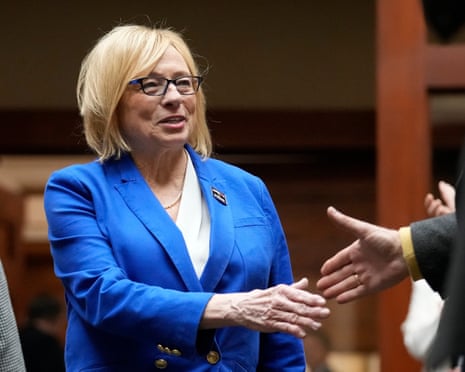
The Maine Senate race had become emblematic of the broader struggle facing Democrats attempting to unseat Republican incumbents in a challenging political environment shaped by the Trump administration's influence. Mills' campaign was intended to capitalize on her experience as governor and her standing among Maine voters, but the financial realities of modern Senate campaigns proved to be an insurmountable barrier.
Her withdrawal from the race set off a significant internal debate within Democratic Party circles about the most viable path forward. Party operatives had been divided over whether Mills represented the strongest possible challenger to incumbent Susan Collins, who despite her occasional breaks with party leadership had maintained considerable political strength in Maine. The question of which candidate could most effectively mobilize Democratic voters and appeal to independent and moderate Republicans remained contentious.
The financial constraints that Mills highlighted are symptomatic of larger challenges facing Democratic candidates seeking to challenge well-entrenched Republican Senate incumbents. Campaign finance has become an increasingly critical factor in determining which races remain viable and which candidates can sustain their campaigns through primary elections and into the general election season.
Mills' decision represented a watershed moment for the 2024 Senate elections, particularly in New England where Democrats had traditionally held significant political advantages. Her departure raised immediate questions about whether her campaign's organizational infrastructure and supporter base would consolidate behind another candidate or fragment among various alternatives.
The timing of Mills' announcement, coming just weeks before the Democratic primary was scheduled to take place, meant that alternative candidates would have limited time to mobilize resources and build campaign infrastructure. This compressed timeline added another layer of complexity to an already fluid political situation in Maine and demonstrated how quickly circumstances could shift in competitive Senate races.
Political analysts noted that Mills' withdrawal could reshape the dynamics of the race against Collins, who had positioned herself as a moderate voice capable of working across party lines. Collins had maintained a substantial fundraising advantage and consistent polling leads, but Democratic strategists believed the right challenger could exploit vulnerabilities on key issues including healthcare, abortion rights, and environmental protection.
The Democratic primary process in Maine had been expected to produce a vigorous debate about which candidate possessed the best combination of name recognition, fundraising capacity, electoral appeal, and vision for representing Maine in the Senate. Mills had entered the race with significant advantages as an incumbent governor with executive experience and a statewide political network.
Her departure highlighted the persistent challenge that even well-positioned Democratic candidates face in accumulating the substantial financial resources required for competitive Senate campaigns. National Democratic organizations and super PACs allocate funds strategically across dozens of races, meaning that candidates who cannot demonstrate early financial viability often find themselves unable to compete effectively for party resources and donor attention.
Mills' statement reflected not merely a personal disappointment but a broader acknowledgment of the structural inequalities in campaign finance that shape electoral outcomes. She emphasized that her decision, while difficult, reflected the practical realities facing candidates in the current political and financial environment rather than any lack of commitment or fighting spirit.
The impact of her withdrawal would extend beyond Maine's borders, as national political observers tracked the race as a potential barometer of Democratic strength and Republican vulnerability in competitive Senate elections. Her exit from the race meant that Democrats would need to identify alternative candidates capable of generating the financial resources and political momentum necessary to pose a genuine threat to Collins' re-election.
Going forward, the question of how Democrats would respond to Mills' departure remained open. Party leaders would need to quickly coalesce around a replacement candidate or risk allowing the field to fragment in ways that could damage the eventual nominee's prospects in the general election. The weeks immediately following Mills' announcement would prove crucial in determining whether Democrats could salvage a competitive race or whether Collins would cruise to re-election with minimal serious opposition.
Source: The Guardian


