
Major Fire at Mexico Fair Kills 5, Injures Dozens

A devastating fire broke out at a packed fairground in Villahermosa, Mexico during a concert with 135,000 attendees, resulting in five deaths and multiple injuries.
A massive fire erupted at a fairground in Villahermosa, the capital city of Tabasco state in southeastern Mexico, claiming five lives and leaving numerous others injured during what was supposed to be an evening of entertainment. The deadly blaze swept through the venue while a concert was taking place, with reports indicating that approximately 135,000 people were present at the crowded event when the emergency situation unfolded. The incident highlights the critical importance of safety protocols and emergency preparedness at large public gatherings, raising questions about venue management and crowd control measures.
Emergency responders quickly mobilized to the scene following reports of the fairground fire, working frantically to evacuate attendees and locate those trapped or injured by the rapidly spreading flames. The situation was compounded by the sheer number of people present at the venue, which made evacuation efforts considerably more challenging and increased the risk of injuries during the panic that ensued. Firefighters faced significant obstacles in their attempts to contain the blaze, battling intense heat and smoke while navigating through the crowded fairground to reach people in danger.
The Mexico fair tragedy sent shockwaves through the community and drew national attention to safety concerns at public events. Local authorities launched an immediate investigation to determine the cause of the fire and whether proper safety measures had been in place at the venue. The incident serves as a sobering reminder of the potential risks associated with hosting large-scale public events, particularly in outdoor or semi-enclosed spaces where fire hazards may not be adequately managed.
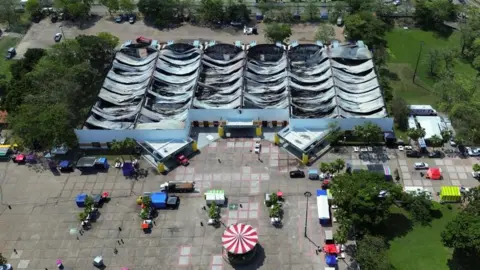
Villahermosa, a city with a population of over 600,000 residents, is known for hosting various cultural and entertainment events throughout the year. The fairground in question was a popular destination for concerts and celebrations, attracting large crowds from the surrounding region. The venue's capacity and the number of attendees present during the concert raised immediate concerns about whether safety standards and crowd management protocols were adequately established and enforced.
Witnesses to the Villahermosa fire described scenes of chaos and confusion as the emergency unfolded, with concertgoers struggling to exit the venue amid thick smoke and flames. Many attendees reported difficulty finding clear exit routes, and some described being separated from family members in the stampede to escape the danger. The psychological trauma experienced by survivors added another dimension to the disaster, as many individuals witnessed horrific scenes or feared for the safety of loved ones.
The death toll of five represented only part of the tragedy, as hospital records indicated that dozens of additional people sustained injuries ranging from minor to severe. Medical facilities in the Villahermosa area worked to accommodate the influx of injured victims, treating burns, smoke inhalation injuries, and trauma-related wounds. Healthcare workers reported being overwhelmed with patients in the immediate aftermath of the incident, emphasizing the scale of the emergency response required.
Preliminary investigations focused on identifying the source of the fire ignition and determining whether any equipment failures, negligence, or structural issues contributed to the disaster. Fire safety experts examined the venue's layout, electrical systems, and safety infrastructure to understand how the blaze spread so rapidly through the crowded area. The investigation was expected to take weeks or months to complete fully, as authorities gathered evidence and testimony from witnesses and venue staff.
Questions emerged regarding whether the fairground had proper fire extinguishing equipment, emergency exits, and trained personnel to manage a large-scale evacuation. Many observers noted that the sheer number of attendees—135,000 people—seemed extraordinarily high for a single venue, raising concerns about overcrowding and whether capacity limits were exceeded. Local government officials and event organizers faced mounting scrutiny regarding their responsibility to ensure public safety and compliance with established fire codes and emergency protocols.
The Mexico fairground incident prompted broader discussions about event safety regulations across the country, with safety advocates calling for stricter enforcement of building codes and emergency preparedness standards. Similar venues throughout Mexico and beyond began reassessing their own safety measures, installing additional fire suppression equipment, and improving emergency evacuation plans. The tragedy served as a catalyst for potential policy changes that could prevent similar disasters in the future.
Family members of the victims and injured attendees gathered at hospitals and memorial sites, grappling with the devastating impact of the sudden disaster. Community leaders expressed their condolences and pledged support for those affected, while religious and civic organizations mobilized to provide assistance to grieving families. The emotional toll on Villahermosa residents was profound, as a celebration turned into a tragedy that would be remembered for years to come.
International attention to the incident underscored the universal nature of public safety concerns and the importance of maintaining rigorous standards for large gatherings worldwide. Safety experts from other countries offered observations and recommendations based on similar incidents they had investigated or studied. The tragedy became part of a broader conversation about how nations can better protect citizens attending public events while allowing for the cultural celebrations and entertainment that communities value.
The fatal fairground fire investigation would ultimately determine not only what caused the disaster but also identify any individuals or entities responsible for lapses in safety. Legal proceedings were expected to follow, potentially resulting in criminal charges against those found to have negligently contributed to the loss of life. Compensation claims from victims and family members would likely become a significant legal matter as well.
As Villahermosa processed the tragedy, community members and government officials began working toward recovery and prevention, implementing reforms that could protect future attendees at public events. The incident would serve as a critical lesson in the importance of preparedness, proper planning, and unwavering commitment to public safety standards. Though five lives were lost and many were injured, the lasting impact of the disaster would hopefully drive meaningful changes in how such large-scale events are managed and monitored.
Source: BBC News


