
Mali Army Reports Coordinated Attacks by Armed Groups

Mali's military faces widespread coordinated attacks across the nation. Explosions and gunfire reported near Bamako military base in escalating violence.
Mali's armed forces have announced that multiple armed groups have launched a series of coordinated attacks across various regions of the West African nation, marking a significant escalation in the ongoing security crisis that has plagued the country for years. The military operations represent a concerning development in Mali's struggle against insurgency and organized militant factions that have sought to destabilize the nation's institutions and civilian populations. Officials from Mali's defense ministry have confirmed that the attacks were executed with apparent synchronization, suggesting a level of organizational capability and communication between previously disparate groups.
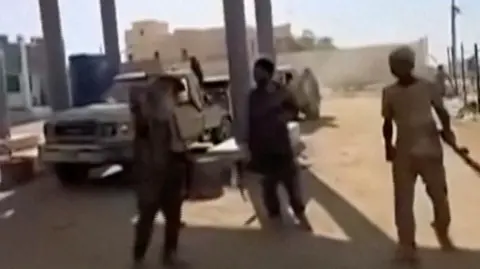
Eyewitness accounts from the capital region describe intense explosions and gunfire near a critical military installation situated on the outskirts of Bamako, Mali's largest city and administrative center. Residents living in proximity to the base reported hearing multiple rounds of sustained automatic weapons fire continuing for extended periods during the assault. The military base targeted in this particular incident serves as an important strategic location for Mali's armed forces, housing equipment, personnel, and command structures essential to national defense operations.
The timing and coordinated nature of these attacks across Mali's territory suggest that militant groups may have increased their operational capacity and ability to execute simultaneous strikes. Security analysts have indicated that such coordinated assaults typically require months of planning, intelligence gathering, and logistical preparation. The fact that multiple locations were targeted during the same operational window demonstrates a level of sophistication in planning and execution that differs from typical insurgent activities observed in the region over recent years.
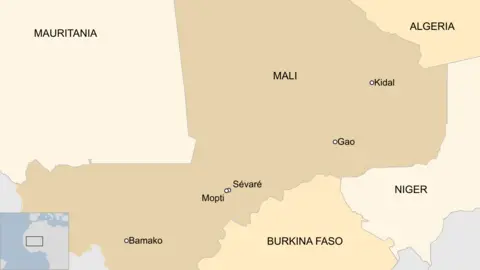
Mali has been grappling with a severe security crisis since a military coup in 2020, which created a power vacuum that allowed various armed groups to expand their influence and territorial control. The country's eastern regions, particularly areas near the borders with Burkina Faso and Niger, have become hotbeds of militant activity and recruitment. International observers have noted that the instability in Mali has had a destabilizing effect throughout the Sahel region, contributing to displacement of civilians, humanitarian crises, and cross-border security challenges affecting neighboring nations.
The coordinated nature of the recent attacks raises questions about potential cooperation between groups that have historically operated independently or even in competition with one another. Intelligence services across West Africa have been tracking increased communications and coordination between various extremist organizations operating in the Sahel. Some analysts suggest that external actors may be facilitating connections between these groups, providing them with advanced weaponry, tactical training, or strategic guidance to maximize their impact against government forces.
Military response to the attacks has reportedly been swift, with soldiers deployed to secure the affected areas and prevent further militant incursions. The armed forces have established perimeters around the targeted base and other critical installations to prevent additional assaults. Intelligence teams are actively investigating the attacks' origins, the identities of the participating groups, and the logistical networks that enabled such coordinated operations across the country's diverse geography.
The civilian population in Bamako and surrounding areas has expressed concern about the escalating violence and its potential impact on their safety and daily lives. Families living near military installations face increased risk during armed confrontations, and many have begun considering relocation to areas perceived as safer. Schools, hospitals, and other essential services have implemented contingency plans to continue operations despite the deteriorating security environment, though many facilities operate with reduced capacity and heightened alert status.
International partners of Mali, including France and other nations with security cooperation agreements, have been monitoring the situation closely. However, Mali's government has grown increasingly distant from Western military partners in recent years, leading to the withdrawal of French forces and complications in intelligence sharing. Russia has expanded its military presence and influence in Mali, creating a complex geopolitical dynamic that affects how international responses are coordinated and implemented.
The attacks underscore the ongoing challenges Mali faces in establishing stable governance, controlling its territory, and protecting its population from militant violence. Government officials have called for national unity and public cooperation with security forces to counter the insurgent threat. However, skepticism remains widespread among Mali's population regarding the government's capacity and commitment to providing security, particularly following years of military instability and political uncertainty.
Regional security experts anticipate that the violence may continue escalating unless significant interventions are implemented to address underlying grievances, reduce recruitment incentives, and improve governance structures. The humanitarian cost of continued conflict includes displacement of thousands of civilians, disruption of educational systems, and deterioration of healthcare infrastructure across affected regions. Refugee camps hosting displaced Malians have become increasingly overcrowded, straining the capacity of humanitarian organizations operating in West Africa.
The coordinated attack campaign demonstrates that Mali's security challenges remain serious and multifaceted, requiring comprehensive approaches that extend beyond military responses. Development initiatives, governance reforms, and regional cooperation mechanisms will be essential components of any long-term solution to the nation's instability. Without sustained international support and concerted efforts by Mali's government to address the conditions that allow armed groups to flourish, the cycle of violence is likely to persist and potentially intensify in coming months.
Source: BBC News


