
Mali Capital Under Siege: Islamist Group Tightens Blockade

An Islamist militant group intensifies blockade on Mali's capital following the assassination of the defense minister. Civilians struggle as nationwide attacks escalate.
Mali's capital city faces an increasingly dire humanitarian situation as Islamist militant groups have substantially tightened their blockade on the metropolitan area, restricting the movement of people and supplies. The escalating crisis has left residents struggling with fundamental questions about their survival and ability to flee the danger zone. One desperate resident's haunting question—'How are we going to get back home?'—encapsulates the profound despair gripping the nation's most populous urban center as the security situation deteriorates rapidly.
This blockade on Mali's capital arrives on the heels of a devastating security incident that shocked the nation just days earlier. The country's defence minister was assassinated in a coordinated attack that marked one of the most high-profile casualties of Mali's ongoing conflict. The assassination represented a significant blow to the government's military leadership and signaled an alarming escalation in the capabilities and audacity of militant forces operating within the country's borders.
The assassination was not an isolated incident but rather part of a broader wave of violence that swept across the nation. Multiple coordinated attacks occurred simultaneously in various locations throughout Mali, demonstrating the nationwide attacks orchestrated by these militant organizations. These synchronized assaults highlighted the operational sophistication and geographic reach of the groups carrying out the violence, suggesting well-coordinated planning and resources.
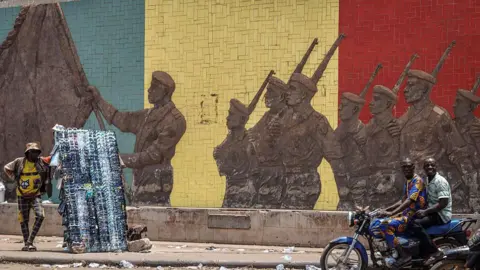
The militants tighten control over access routes into and out of the capital, effectively isolating the city from the surrounding regions. Essential supply lines have been severely compromised, making it increasingly difficult for food, medical supplies, and fuel to reach the civilian population. The blockade represents a critical humanitarian concern, as the prolonged restriction of resources threatens the health and wellbeing of millions of residents who depend on these supply chains for survival.
Civilians caught within the affected areas are facing unprecedented challenges in their daily lives. Citizens report extreme difficulty in purchasing basic necessities, with market shelves becoming increasingly bare as distribution networks collapse. The psychological toll on residents is equally severe, with families separated by the conflict and individuals unable to reach loved ones on the other side of the blockade lines.
The security situation has prompted urgent appeals from international humanitarian organizations for immediate intervention. Organizations monitoring human rights and providing humanitarian assistance have raised alarm about the potential for a catastrophic crisis if the blockade continues unchecked. Medical facilities within the capital are reporting shortages of critical supplies, and healthcare workers warn of potential disease outbreaks if sanitation and medical resources become further depleted.
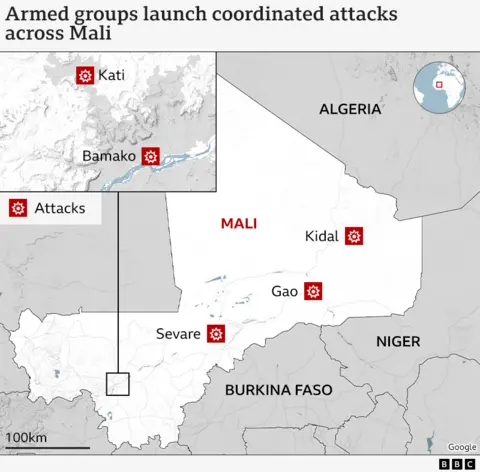
Government authorities have been largely unable to mount an effective counter-offensive to break the blockade and neutralize the militant presence. Military resources appear stretched thin across multiple fronts, and the loss of the defence minister has created a significant leadership vacuum within the armed forces. Questions linger about the government's ability to coordinate a coherent response to the evolving security crisis without its top military official.
The Islamist groups in Mali have been engaged in armed conflict with government forces for years, but this recent escalation represents a dramatic intensification of their operational capacity. These organizations have gradually expanded their territorial control and operational reach, establishing strongholds in various regions of the country. The sophistication demonstrated in recent attacks suggests access to enhanced weapons, better training, and improved coordination capabilities.
Regional observers note that Mali's security crisis exists within a broader context of instability affecting the Sahel region of West Africa. The country has experienced multiple military coups in recent years, creating periods of political instability and uncertainty. This political turmoil has reportedly weakened institutional structures and created opportunities for militant groups to expand their influence and consolidate their power bases.

International diplomatic efforts are underway to address the escalating crisis, with neighboring countries and international organizations attempting to mediate and provide support. However, the complexity of Mali's security situation—involving multiple armed groups, ethnic tensions, and competing interests—has made diplomatic solutions extremely difficult to achieve. External actors have limited leverage in influencing the various parties involved in the conflict.
The blockade impact on civilians extends beyond immediate material hardship to include long-term psychological and social consequences. Children are missing school, routine medical care is being disrupted, and families are being torn apart by the inability to travel. Economic activity has ground to a virtual halt in many areas, with businesses unable to operate and workers unable to reach their places of employment.
Religious and community leaders have made desperate appeals for peace and a cessation of violence. These voices from civil society emphasize the urgent humanitarian imperatives for de-escalation and the restoration of access routes for essential supplies. However, their appeals have largely fallen on deaf ears among the armed groups engaged in the conflict, who appear committed to advancing their strategic objectives through continued violence.
The assassination of the defence minister raises serious questions about intelligence failures and security vulnerabilities within Mali's government apparatus. How such a high-profile official could be targeted successfully suggests either exceptional operational skill on the part of the attackers or significant gaps in protective security measures. Investigations into the circumstances surrounding the assassination are ongoing, but preliminary reports indicate careful planning and inside knowledge of the minister's movements.
Looking forward, Mali faces a critical juncture in its struggle against militant insurgencies and the ongoing blockade crisis. The government must simultaneously address immediate humanitarian concerns while mounting a credible military response to the security threats. Without rapid and effective action, the situation threatens to spiral further into chaos, potentially creating a failed state scenario with devastating humanitarian consequences for the region.
International observers warn that if the blockade remains in place for extended periods, Mali could face a full-scale humanitarian catastrophe. Famine conditions could develop, disease outbreaks could occur unchecked, and the security situation could become even more complex as desperate residents attempt to flee the affected areas. The window for preventing further deterioration appears to be closing rapidly as each passing day brings increased suffering to Mali's civilian population.
Source: BBC News


