
Mali Defence Minister Killed in Coordinated Rebel Attacks

Mali's defence minister reportedly killed amid widespread coordinated jihadist and separatist attacks across the country. Key developments in the ongoing conflict.
Mali's defence minister has been reportedly killed during a series of coordinated rebel attacks that have swept across the West African nation, according to multiple sources monitoring the escalating security crisis. The incident marks a significant development in the country's ongoing struggle against jihadist militants and separatist groups that have destabilized the region for years. The attacks demonstrate the growing threat posed by these militant organizations and their ability to strike at high-level government targets.
The wave of coordinated attacks has not been limited to a single location or military installation, but instead represents a broader campaign targeting multiple regions simultaneously. This synchronized approach suggests a level of organization and coordination among the various insurgent factions operating within Mali's borders. Security analysts have noted that such coordinated operations typically indicate either a unified command structure or unprecedented cooperation between previously separate militant groups seeking to maximize their impact across the country.
Mali has faced an increasingly precarious security situation over the past several years, with jihadist militants and separatist movements gaining territorial control and influence in various parts of the nation. The Sahel region, where Mali is located, has become a hotbed of extremist activity, with groups affiliated with both al-Qaeda and ISIS establishing strongholds in remote areas. The government has struggled to contain these threats despite international military support and ongoing counterinsurgency operations.
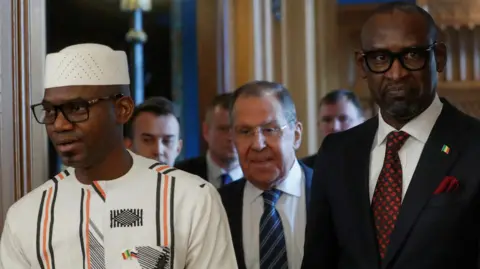
The reported death of the defence minister represents a major blow to Mali's military leadership and raises serious questions about the effectiveness of government security measures at the highest levels. Such a loss of a senior military commander could have significant implications for the country's defense strategy and institutional stability. The incident also underscores the vulnerability of government officials and infrastructure to militant attacks, even within what are typically considered secure areas.
The timing of these attacks comes at a particularly sensitive moment for Mali, as the country continues to grapple with political instability and military challenges. Recent years have witnessed multiple military coups and transitions of power, which have further complicated efforts to establish consistent security policies and effective government administration. The government has been attempting to rebuild confidence in state institutions while simultaneously battling multiple armed groups seeking to challenge state authority.
Separatist groups in Mali's northern regions have long sought greater autonomy or independence, while jihadist organizations have pursued more ideological objectives centered on religious extremism. The convergence of these two types of threats has created a complex security environment where military forces must contend with enemies operating on multiple ideological and political fronts. Intelligence agencies have expressed concern about the potential for increased cooperation between these previously distinct militant movements.
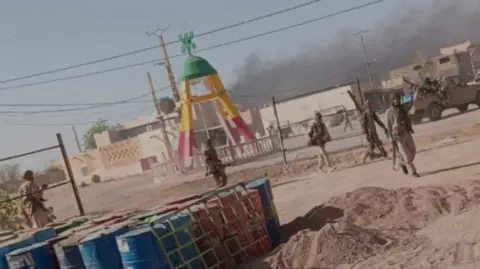
International observers and humanitarian organizations have expressed alarm at the deteriorating security conditions in Mali, which have forced thousands of civilians to flee their homes and seek refuge in neighboring countries. The instability has also disrupted economic activity, education, and healthcare services across affected regions. The United Nations and regional security organizations have called for increased international support to help stabilize the situation and protect civilian populations from ongoing violence.
France, which has maintained a military presence in the Sahel region through Operation Barkhane and other initiatives, has been closely monitoring the situation in Mali. However, French forces have faced increasing pressure to withdraw from the country due to political tensions with Mali's military junta, which has indicated a preference for alternative security partnerships. The potential departure of French military support could further complicate Mali's fight against these militant organizations and create a security vacuum that insurgent groups may seek to exploit.
The militancy and insurgency plaguing Mali is not an isolated phenomenon but rather part of a broader regional trend affecting multiple Sahel countries including Burkina Faso and Niger. Militant groups operate across porous borders, using neighboring territories as safe havens and logistics hubs. Regional organizations like the Economic Community of West African States (ECOWAS) have attempted to coordinate responses, but effectiveness remains limited due to resource constraints and varying national interests.
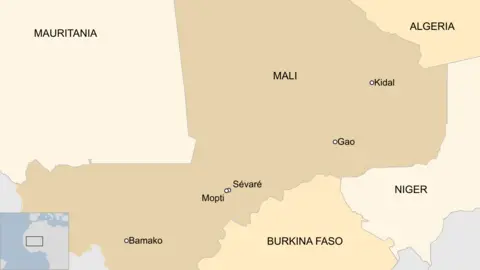
The reported killing of Mali's defence minister has prompted immediate investigations into how the attack was planned and executed. Security officials are examining whether intelligence failures contributed to the ability of attackers to penetrate what should have been heavily protected government locations and military installations. These investigations could lead to significant changes in security protocols and command structures within Mali's armed forces.
The incident also raises questions about the overall military readiness and capacity of Mali's defense establishment to protect its own leadership and territory from determined militant threats. Despite years of international military training and assistance, Mali's armed forces continue to struggle against better-organized and more mobile insurgent groups. The loss of senior military commanders can disrupt continuity of operations and demoralize troops throughout the armed forces.
Humanitarian groups and international observers are increasingly concerned about the spillover effects of Mali's internal conflict, which has created a regional refugee crisis and destabilized neighboring territories. The inability of the Mali government to establish state authority and provide security has allowed militant organizations to expand their operations and recruit new members from displaced and disillusioned populations. This vicious cycle threatens to perpetuate regional instability for years to come unless significant changes occur in security and governance.
As Mali navigates this critical period, the reported death of its defence minister serves as a stark reminder of the severity of the security challenges facing the nation. The government will need to pursue comprehensive strategies that address not only the military dimensions of the conflict but also underlying political, economic, and social grievances that fuel insurgency and separatism. Without such integrated approaches, Mali's struggles against militant organizations and armed insurgents are likely to continue indefinitely, perpetuating human suffering and regional destabilization.
Source: BBC News


