
Mali's Defence Minister Killed in Coordinated Insurgent Attack

Sadio Camara dies after car bomb strikes his home during major coordinated assault by al-Qaeda-affiliated rebel groups across Mali.
Mali's defence minister has been killed in a devastating attack on his residence, marking a significant escalation in the ongoing security crisis gripping the West African nation. The attack occurred during a coordinated series of assaults staged by multiple insurgent factions, including the regional affiliate of al-Qaida, demonstrating the increasing sophistication and coordination of rebel operations in the volatile Sahel region.
Sadio Camara, who served as Mali's defence minister, was fatally wounded when a suicide car bomb struck his home in Kati, a town located near the capital Bamako. According to government spokesperson Issa Ousmane Coulibaly, the vehicle was laden with explosives and driven directly into Camara's residence by an attacker. The impact of the explosion was severe, triggering an immediate firefight between security forces and assailants in the area surrounding the minister's compound.
Following the initial blast and ensuing combat, Camara sustained critical injuries that ultimately proved fatal. He was transported to a hospital for emergency treatment, but medical staff were unable to save his life. Coulibaly confirmed the minister's death in an official statement delivered on state television, underscoring the gravity of the situation and the government's acknowledgment of this unprecedented loss at the highest levels of Mali's defence establishment.
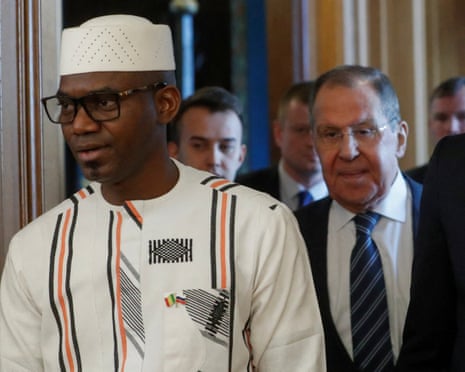
The attack represents a particularly brazen strike against Mali's military leadership, as it directly targeted a sitting defence minister at his private residence. This type of high-profile assassination attempt reflects the audacious nature of insurgent operations and raises serious questions about the security surrounding government officials in Mali. The fact that the attacker was able to breach the perimeter of the minister's home suggests either lapses in protective security measures or the penetration of security forces by insider threats aligned with rebel groups.
The coordinated nature of the attacks occurring simultaneously across Mali indicates a deliberate strategy by insurgent groups to maximize impact and overwhelm government security responses. The involvement of West African al-Qaida affiliate forces alongside other rebel organizations demonstrates an increasingly unified front among otherwise disparate militant groups. This coordination suggests either improved communication and planning among insurgent factions or potential direction from higher-level terrorist command structures operating across the broader Sahel region.
Mali has been struggling with insurgent violence for nearly a decade, with multiple waves of attacks originating from various militant groups operating across the country's northern and central regions. The security situation has deteriorated significantly in recent years despite military interventions and international support. These ongoing attacks have displaced hundreds of thousands of civilians and created a humanitarian crisis characterized by mass migration, economic collapse, and the breakdown of basic government services in affected areas.
In response to the death of their defence minister, the government announced that Mali would observe two days of mourning in his honor. This official period of remembrance reflects both the cultural significance of such losses and the gravity with which the government views this attack. The declaration of a mourning period also serves to demonstrate the government's unity during a moment of crisis and weakness within the ranks of military leadership.
The loss of Camara represents a substantial blow to Mali's already fragile military command structure, which has been plagued by institutional instability and repeated leadership changes in recent years. The defence ministry plays a crucial role in coordinating the country's response to the ongoing insurgency, and the sudden loss of its minister during active combat operations creates both an immediate leadership vacuum and longer-term concerns about the continuity of military strategy and operations.
The insurgent groups operating in Mali, including the al-Qaida-affiliated organization, have demonstrated increasing capacity to strike high-value targets with precision and coordination. These capabilities suggest access to intelligence networks, training from experienced terrorist organizations, and access to sophisticated weaponry and explosives. The ability to execute a complex operation involving a coordinated multi-front assault while simultaneously targeting the defence minister indicates a level of operational maturity that represents a significant threat to Mali's national security.
This attack underscores the challenges facing Mali's government as it attempts to stabilize the country while facing sustained pressure from multiple insurgent factions. The security situation has been further complicated by political instability, with recent military coups and transitions affecting the coherence and effectiveness of government response to the insurgency. International observers have noted that without significant improvements in governance, military effectiveness, and humanitarian conditions, the spiral of violence is likely to continue and potentially worsen.
The international community has been monitoring Mali's situation closely, with various nations providing military assistance and advisors to support government forces in their counter-insurgency efforts. However, despite external support, the fundamental challenge of establishing government control over vast territories has proven extremely difficult. The insurgents maintain significant support networks among local populations in some regions, complicating efforts to eliminate them through military means alone.
The death of Defence Minister Sadio Camara serves as a stark reminder of the ongoing and intensifying threat posed by terrorist and insurgent organizations operating across the Sahel region. As Mali mourns the loss of a senior military leader, the nation faces critical questions about how to strengthen its security apparatus, improve intelligence capabilities, and develop a more comprehensive strategy for addressing the root causes of insurgency and instability that continue to plague the country.


