
Mali's Junta Launches Airstrikes Against Rebel Coalition

Mali's military, backed by Russian mercenaries, intensifies combat against Islamist and Tuareg rebel alliance threatening government control in West Africa.
Mali's armed forces, operating with significant support from Russian mercenary units, have initiated a comprehensive aerial campaign targeting a formidable rebel alliance composed of Islamist extremist groups and Tuareg separatist movements. This military escalation represents a critical juncture in the ongoing struggle between the ruling junta and opposition forces seeking to challenge governmental authority across the strategically important West African nation. The intensified airstrikes signal the government's determination to reverse recent territorial losses and reassert control over key regions.
The rebel coalition, which launched a coordinated surprise offensive in late April, has proven to be a significant threat to the junta's authority and territorial integrity. This alliance between Islamist extremist organizations and Tuareg separatist groups represents a dangerous convergence of different insurgent movements, each with distinct ideological objectives but unified in their opposition to the current military government. The surprise nature of their offensive caught military planners off guard and resulted in the rapid loss of critical strategic positions across northern and central Mali.
Among the most significant targets of the recent airstrikes has been the strategically vital town of Kidal, a northern settlement that fell to rebel forces during their late April offensive. The loss of Kidal represented a symbolic and strategic blow to the junta's control, as the town serves as a crucial hub for regional connectivity and military operations. Warplanes have continued to target this key location throughout the week, as military leadership attempts to dislodge entrenched rebel forces and restore governmental authority in the region.

The involvement of Russian mercenaries in Mali's military operations has become increasingly prominent over the past several years, with these foreign military contractors providing critical support in training, tactical planning, and direct combat operations. This partnership between Mali's junta and Russian private military forces reflects broader geopolitical shifts in West Africa, where traditional Western security partnerships have been questioned or rejected by military governments. The Russian presence has become essential to the junta's ability to project military power and maintain operational capabilities against increasingly organized rebel forces.
Understanding the composition of the rebel alliance is crucial to comprehending the complexity of Mali's current security situation. The Tuareg separatist elements represent longstanding grievances related to political marginalization, resource distribution, and historical tensions between the Tuareg people and other ethnic groups within Mali. Simultaneously, the Islamist extremist components bring a fundamentally different ideological agenda focused on establishing Islamic governance frameworks across the region. This combination of motivations makes the alliance simultaneously potent and potentially fragile, as the divergent goals of member groups could create tensions over strategic direction and post-conflict objectives.
The junta's military strategy appears focused on leveraging air superiority to regain lost territory and prevent further rebel advances into central Mali. By concentrating airstrikes on key northern towns and rebel concentrations, the military command believes it can degrade the insurgency's operational capabilities and force a negotiated settlement favorable to government interests. However, the effectiveness of air power alone in counterinsurgency operations remains contested among military analysts and security experts.
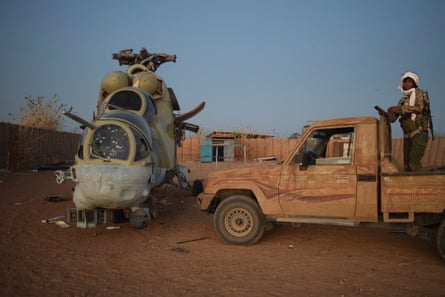
Mali's broader security crisis must be understood within the context of the country's complex political history and ongoing instability. The nation has experienced multiple military coups in recent years, with the current junta having seized power through extraconstitutional means and subsequently struggling to establish legitimate governance. This lack of political legitimacy has complicated efforts to build consensus for counterinsurgency operations and has contributed to recruitment difficulties for conventional military forces. Many Malian citizens view the junta with skepticism, creating challenges for military mobilization and intelligence gathering.
The humanitarian implications of the intensifying conflict demand serious consideration alongside military and political analysis. Airstrikes targeting rebel positions in populated areas raise concerns about civilian casualties and collateral damage to civilian infrastructure. The displacement of populations from conflict zones has created refugee flows into neighboring countries and within Mali itself, straining humanitarian resources and creating long-term social consequences. International humanitarian organizations have expressed concern about the civilian impact of expanded military operations.
West African regional stability depends significantly on the resolution of Mali's internal conflict, as instability in this strategically important nation can generate spillover effects affecting neighboring Burkina Faso, Niger, and Mauritania. The insurgent movements operating in Mali have demonstrated the capacity to conduct cross-border operations and exploit weak state capacity in adjacent nations. Regional organizations like the Economic Community of West African States (ECOWAS) have attempted to mediate the conflict, but their efforts have been complicated by the junta's resistance to external pressure and the rebels' determination to achieve their political objectives through military means.
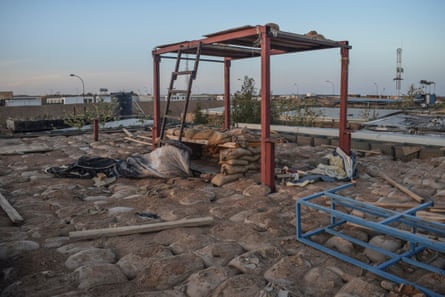
International responses to Mali's deteriorating security situation have revealed significant divisions among major powers. While France, the traditional Western security partner in the region, has faced increasing hostility from the junta and civil society groups, other international actors have moved to fill the resulting vacuum. The presence of Russian military contractors represents this broader shift in geopolitical alignment, with the junta seeking alternative partnerships to reduce dependency on Western actors. These geopolitical maneuverings add additional layers of complexity to an already intricate conflict landscape.
Military analysts debate the sustainability of the junta's current operational strategy against the rebel alliance. While air superiority provides tactical advantages in open terrain, the insurgents have demonstrated adaptability and the capacity to utilize urban environments and rough terrain to their advantage. The rebels' ability to launch coordinated offensives across multiple regions suggests sophisticated operational planning and resourcefulness despite their smaller size and inferior technological capabilities compared to government forces. The long-term trajectory of the conflict remains uncertain, with neither side apparently possessing the capacity to achieve decisive victory in the immediate term.
The international community continues to monitor developments in Mali with significant concern about regional implications and humanitarian consequences. The United Nations Security Council has repeatedly called for ceasefire negotiations and political dialogue, yet these diplomatic efforts have achieved limited concrete results. The fundamental incompatibility of the junta's desire to maintain power and the rebels' determination to challenge governmental authority through military means suggests that military solutions may prove elusive without significant shifts in the underlying political dynamics driving the conflict.
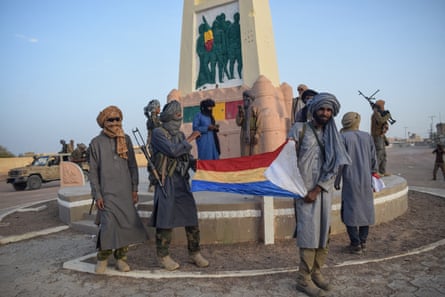
As the conflict continues to evolve, the military operations launched by the junta represent both an attempt to regain lost territory and a broader assertion of governmental authority against mounting challenges to state power. The involvement of Russian mercenaries adds an international dimension to what is fundamentally a struggle over Mali's political future and territorial integrity. The coming weeks and months will be crucial in determining whether the junta's military strategy succeeds in reversing recent rebel gains or whether the insurgency continues to expand its territorial control and political influence across the country.
Source: The Guardian

