
Mali Under Siege: Insurgents Kill Defense Minister

Coordinated jihadist and separatist attacks rock Mali, resulting in deaths of key military leaders and seizure of strategic towns.
Mali faces an unprecedented security crisis following a sweeping series of coordinated attacks that have fundamentally shaken the West African nation's military and political stability. The weekend offensive, which targeted key military installations and government positions, resulted in the deaths of the nation's defence minister and the military intelligence chief, marking a significant blow to the country's command structure. Multiple towns and strategic military bases across the country have fallen under the control of insurgent forces, raising serious questions about Mali's ability to maintain territorial control and government authority.
The coordinated attacks were orchestrated by two distinct but temporarily aligned insurgent groups: al-Qaida-affiliated Jama'at Nusrat al-Islam wal-Muslimin (JNIM) and the separatist Tuareg-led movement known as the Azawad Liberation Front (FLA). The alliance between these former adversaries represents a dramatic shift in the conflict dynamics, as the groups have historically pursued separate military and political objectives within Mali's volatile landscape. This unexpected cooperation demonstrates the growing complexity of the jihadist insurgency in the Sahel region and the capacity of extremist organizations to form tactical partnerships when circumstances align.
The assault represents the most serious challenge to Mali's security apparatus in recent years, exposing critical vulnerabilities in the nation's defense infrastructure and command hierarchy. Intelligence reports indicate that the attacks were meticulously planned and executed with military precision, suggesting significant coordination and resources among the insurgent forces. The loss of two senior military figures in a single weekend operation underscores the effectiveness of the attackers' strategy and raises urgent questions about succession planning and continuity of operations within Mali's fractured military establishment.
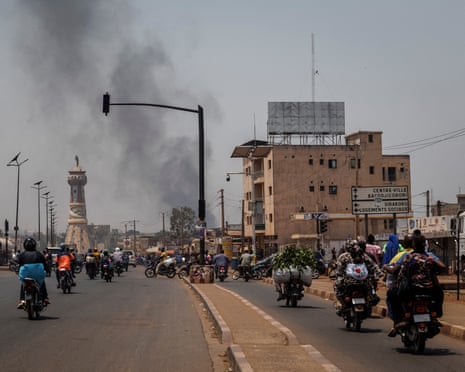
Mali has endured decades of political instability and armed conflict, but the current crisis represents a particularly dangerous escalation. The country has experienced multiple military coups in recent years, with the most recent in 2020 following widespread protests over economic mismanagement and military failures. The transitional government that took power has struggled to consolidate authority and effectively combat the multiple insurgent movements operating across Mali's vast territory. These new attacks suggest that the security situation continues to deteriorate despite military assistance from international partners and intervention from regional actors.
The Sahel region has become increasingly volatile, with jihadist organizations exploiting state weakness to expand their territorial control and ideological influence. Mali, along with Burkina Faso and Niger, forms the epicenter of this expanding conflict, with thousands of civilians displaced and hundreds of thousands facing acute food insecurity. International observers have warned that the security vacuum created by state weakness provides ideal conditions for terrorist organizations to recruit, train, and launch operations throughout the region. The coordinated nature of the weekend attacks suggests that extremist networks are becoming more sophisticated and capable of executing complex military operations.
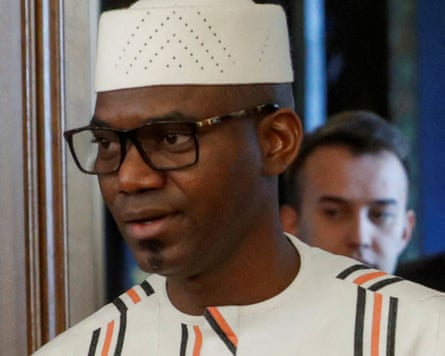
The alliance between JNIM and the FLA adds a troubling dimension to Mali's security calculus. While the FLA has traditionally focused on Tuareg autonomy and self-determination in northern Mali, its willingness to coordinate with a pan-Sahel jihadist organization suggests potential ideological alignment or at minimum, convergence of strategic interests. JNIM, which has been implicated in numerous terrorist attacks across the Sahel, maintains formal ties to al-Qaida's global network and has demonstrated ambitions to expand its territorial control and influence throughout West Africa. The cooperation between these groups could herald a new phase of the conflict characterized by larger, more coordinated offensive operations.
The death of Mali's defence minister represents not merely a symbolic loss but a practical setback for the nation's already strained military apparatus. The defence minister plays a crucial role in strategic planning, resource allocation, and inter-agency coordination during wartime. The simultaneous loss of the military intelligence chief compounds the challenge, as this individual would typically oversee surveillance operations, early warning systems, and strategic intelligence gathering. The removal of both figures suggests that the insurgents had detailed knowledge of Mali's military structure and successfully penetrated the government's security apparatus to identify and target high-value leadership.
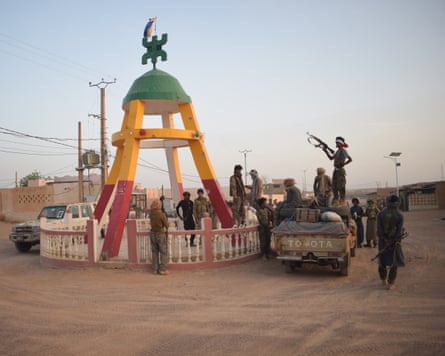
International responses to the Mali crisis have been mixed and often inconsistent. Russia has expanded its influence in Mali through military contractors and security advisors, a development that has concerned Western governments and raised questions about the long-term geopolitical implications of Russian involvement in African conflicts. The United Nations maintains a peacekeeping mission in Mali, though its effectiveness has been repeatedly questioned and its mandate challenged by the Malian authorities. France, the former colonial power, withdrew its military presence from Mali in 2022 amid deteriorating relations with the transitional government, leaving a significant security void that other international actors have attempted to fill.
The seizure of towns and military bases across Mali represents a significant territorial gain for the insurgent forces and demonstrates their operational capacity to conduct multi-front campaigns simultaneously. These positions provide the attackers with strategic depth, resources captured from military stockpiles, and bases from which to launch additional operations. The ability to hold multiple population centers simultaneously suggests organizational capabilities that exceed those typically associated with rebel movements in the region. Analysts worry that successful consolidation of these gains could fundamentally alter the balance of power in Mali and provide extremist organizations with the territorial platform necessary to expand operations into neighboring countries.
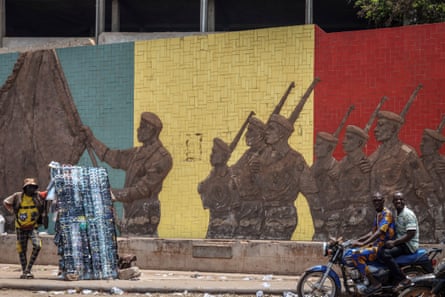
The humanitarian consequences of the ongoing conflict in Mali are severe and rapidly deteriorating. Hundreds of thousands of civilians have been displaced by the fighting, with many fleeing to neighboring countries or congregating in urban centers where they struggle for access to food, water, and medical services. Armed groups have been implicated in numerous atrocities, including mass killings, sexual violence, and the forced recruitment of child soldiers. International humanitarian organizations have warned of impending famine conditions in parts of Mali, as the conflict disrupts agricultural production and prevents the distribution of food aid to vulnerable populations.
Looking forward, Mali faces a critical juncture that will determine the trajectory of the conflict and the stability of the broader Sahel region. The successful execution of the weekend attacks may embolden insurgent forces to pursue additional offensive operations, potentially overwhelming the already-weakened Malian military. Alternatively, the shock of these attacks may galvanize international support for Mali's security forces and prompt a significant increase in military assistance and training. The coming weeks and months will be crucial in determining whether Mali can stabilize its security situation or whether the country will descend further into chaos.
Source: The Guardian


