
Man Arrested for AI-Generated Fake Wolf Sighting

A 40-year-old South Korean man faces 5 years in prison for creating an AI-generated fake image of escaped wolf Neukgu, disrupting critical rescue efforts.
A significant legal case has emerged in South Korea involving the misuse of artificial intelligence technology to obstruct a critical wildlife investigation. A 40-year-old man was arrested after authorities determined he had used advanced AI image generation tools to create a fabricated photograph of a runaway wolf, according to reporting from the BBC. The false image reportedly hampered urgent search and rescue operations that were underway at the time, leading to serious criminal charges against the individual.
The incident centers around Neukgu, a two-year-old wolf that managed to escape from a zoo facility located in Daejeon city, a major metropolitan area in South Korea. When the animal broke free from its enclosure by burrowing underneath the zoo's barriers, local and national authorities immediately mobilized an extensive search operation. The urgency of the situation was driven by the profound significance Neukgu held for broader wildlife conservation efforts in the country, as he represented a crucial link in an ongoing program to restore native wolf populations to South Korean ecosystems.
The historical context makes the escaped wolf's capture particularly important for the nation's environmental goals. South Korea's native wolf population had become completely extinct in the wild by the 1960s, marking a devastating loss for the country's biodiversity. Neukgu, as a third-generation descendent of wolves in the captive breeding program, carried significant genetic value for future reintroduction initiatives. Conservation experts and wildlife officials had been working for years to gradually rebuild a viable population through careful breeding and eventual reintroduction strategies.
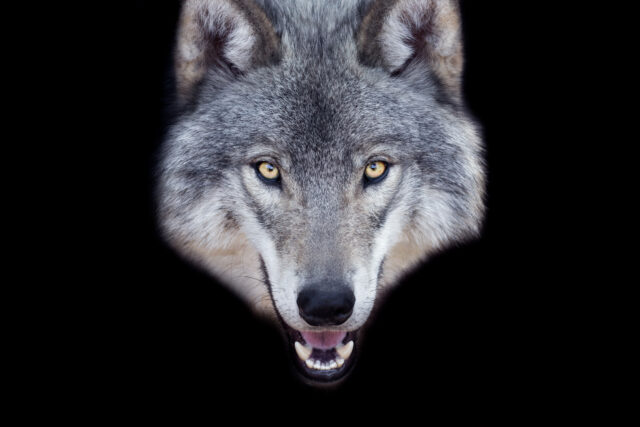
When news of Neukgu's escape became public, concern rippled throughout South Korea at an unprecedented scale. Animal rights organizations and wildlife advocates expressed deep worry about the wolf's safety and wellbeing in an unfamiliar environment. There were genuine fears that the animal might sustain injuries while loose in the wild, or worse, that rescue operations might inadvertently harm the creature during capture attempts. The emotional investment of the public in Neukgu's safe return underscored the importance that South Koreans placed on their wildlife conservation achievements.
The situation gained even more prominence when South Korea's political leadership became directly involved in the matter. President Lee Jae Myung publicly announced his commitment to the rescue effort, specifically promising that all teams involved in capturing Neukgu would prioritize the wolf's safety above all other considerations. This high-level governmental attention transformed what might have otherwise remained a regional incident into a matter of national importance, with intense media coverage and public interest following every development in the search.
It was during this heightened state of alert and active investigation that the arrested man created and distributed the fake AI-generated image. Rather than depicting an actual sighting of Neukgu in the field, the image was entirely synthetic, created using cutting-edge artificial intelligence technology that can generate photorealistic images that are difficult for the untrained eye to distinguish from genuine photographs. The man allegedly spread this false image, potentially for attention-seeking purposes or as a misguided attempt at humor.
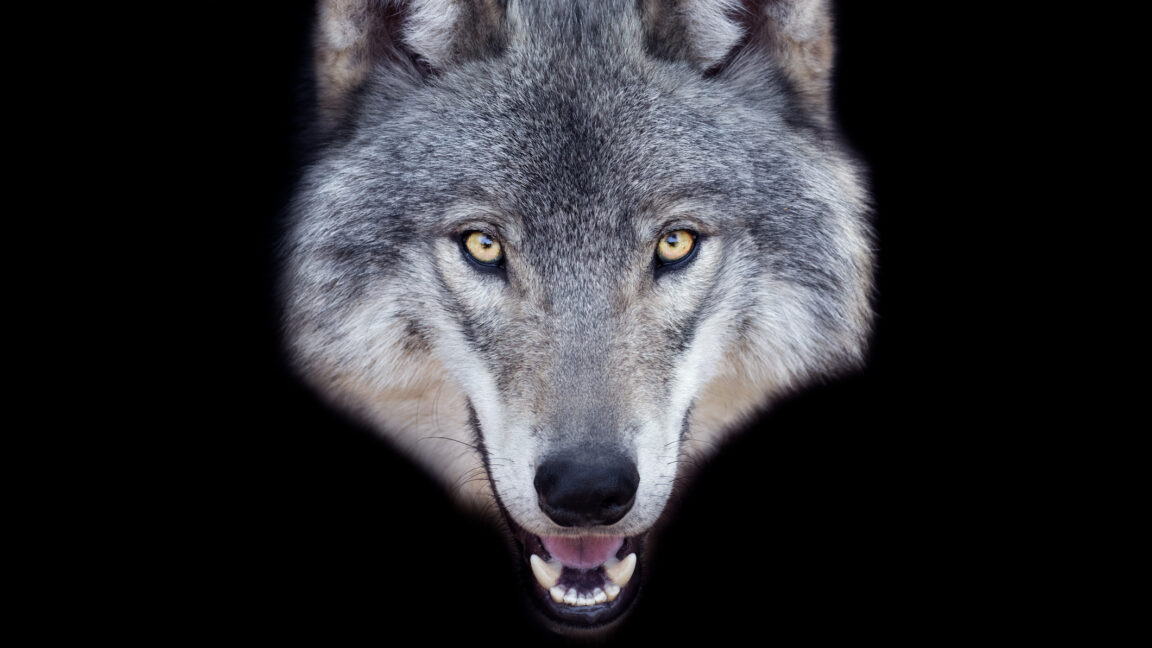
The consequences of distributing the false image proved severe and far-reaching. Rescue teams investigating the fraudulent sighting wasted valuable time and resources pursuing leads based on non-existent evidence. During a critical period when every moment counted in locating the escaped animal, personnel were diverted to search locations indicated by the fabricated photographic evidence. This misdirection potentially compromised the efficiency and effectiveness of the actual search operations, creating real delays in the hunt for the real wolf.
Legal authorities have taken an exceptionally serious view of the offense, charging the man under laws that address obstruction of official investigations and misuse of technology. Prosecutors have recommended a prison sentence of up to five years, reflecting their assessment that his actions caused substantial harm to legitimate government operations. The case represents one of the first major legal prosecutions involving the weaponization of AI-generated misinformation in South Korea, setting potentially important precedents for how the justice system will handle similar cases in the future.
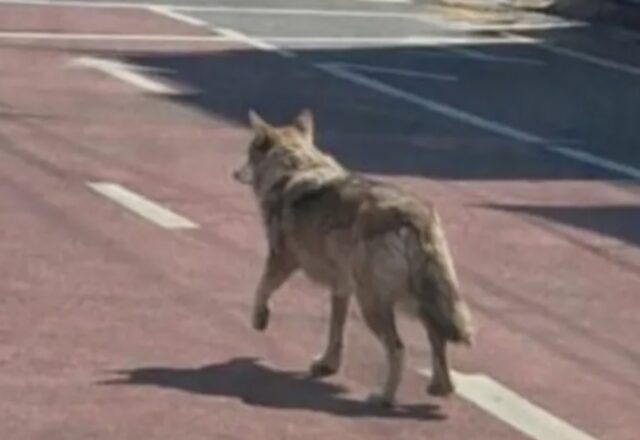
The arrest and prosecution highlight growing concerns about the societal risks posed by increasingly accessible AI image generation technology. As these tools become more sophisticated and easier to use, the potential for misuse expands significantly. Experts have warned that synthetic images and videos created with artificial intelligence could be weaponized to deceive law enforcement, manipulate public opinion, or interfere with critical operations. The Neukgu case provides a concrete example of these theoretical risks manifesting in real-world consequences.
Beyond the immediate legal ramifications, this incident raises broader questions about regulation, accountability, and digital literacy in an age of advanced AI capabilities. Policymakers and technology experts are grappling with how to balance innovation and accessibility in AI tools against the need to prevent malicious applications. Some advocates have called for stronger safeguards built into AI image generation platforms, while others argue for more comprehensive digital education to help the public identify synthetic media.
As for Neukgu himself, the wolf was eventually captured and returned safely to the zoo, allowing the conservation program to continue without losing this genetically valuable animal. The successful rescue, despite the complications caused by the false sighting, was widely celebrated in South Korea as a victory for the nation's wildlife preservation efforts. However, the incident with the arrested man serves as a sobering reminder of how emerging technologies can complicate even well-intentioned rescue operations, and how quickly misinformation can spread with potentially serious consequences.
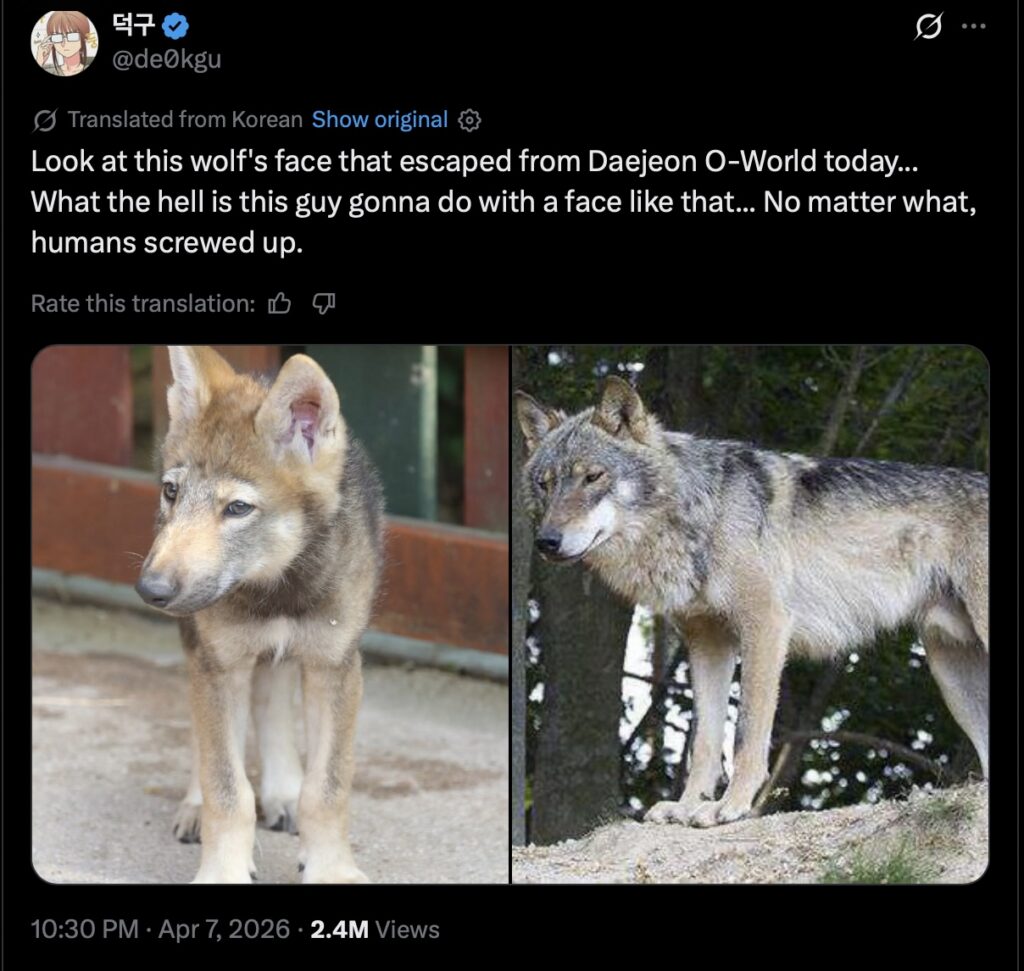
The case is expected to proceed through South Korean courts in coming months, with legal observers watching closely to see how judges handle this novel application of obstruction and technology misuse charges. The outcome could establish important legal precedents for how nations address AI-generated deception in official investigations. Meanwhile, the incident has sparked renewed discussions about safeguards for AI technology and the need for public awareness about the capabilities and dangers of synthetic media in the digital age.
Source: Ars Technica


