
Man Pleads Not Guilty to Stalking Labour MP Jess Phillips

Lee Owens, 47, appeared in court accused of stalking and harassing Jess Phillips, the minister tackling violence against women and girls.
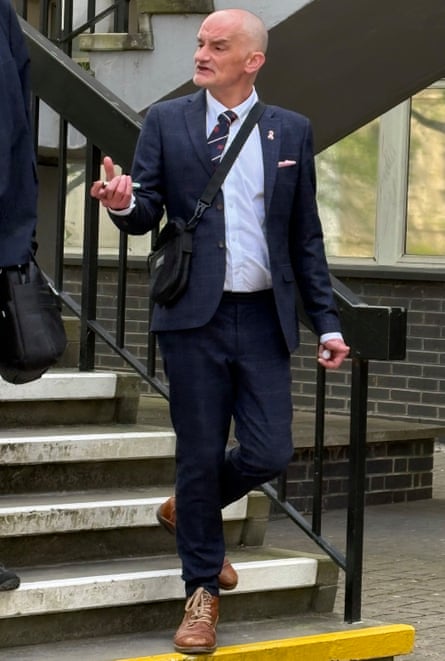
A 47-year-old man has entered a not guilty plea in connection with allegations of stalking and harassing Jess Phillips, the Labour Member of Parliament representing Birmingham Yardley and the government minister overseeing efforts to combat violence against women and girls. The defendant, identified as Lee Owens, made his court appearance at Cheltenham magistrates court on Tuesday, where he formally contested the charges brought against him by prosecutors.
The case centers on accusations that Owens engaged in a pattern of threatening communications directed at Phillips, who holds a significant position within the government's efforts to address gender-based violence and harassment across the United Kingdom. The specific allegations relate to the sending of threatening emails to the prominent political figure, marking a serious breach of her personal security and professional environment. This incident highlights the ongoing challenges that public figures, particularly those working on women's safety issues, continue to face regarding online harassment and intimidation.
Jess Phillips has long been a vocal advocate for women's rights and has frequently spoken about the prevalence of threats and abuse directed at female politicians and public servants. Her role as minister responsible for tackling violence against women places her at the forefront of policy initiatives aimed at creating safer communities and supporting survivors of abuse. The allegations against Owens underscore the very issues that Phillips works to address through her ministerial responsibilities and public advocacy.

The court proceedings at Cheltenham magistrates court represent a formal opportunity to examine the evidence in this stalking case and determine the appropriate legal response to the allegations. Magistrates courts in England and Wales handle a significant volume of criminal cases, including matters related to harassment and threatening behavior. The appearance of Owens at this judicial venue indicates that the Crown Prosecution Service determined there was sufficient evidence to proceed with formal charges against the defendant.
The nature of the communications allegedly sent by Owens—specifically threatening emails—represents a form of digital harassment that has become increasingly prevalent in recent years. Threatening communications directed at political figures and public officials can have significant impacts on their sense of security, ability to carry out their duties, and personal wellbeing. Law enforcement and judicial authorities across the country have responded to the growing concerns about online-based harassment with increased scrutiny and prosecution of such offenses.
The decision to plead not guilty suggests that Owens intends to contest the allegations through the formal legal process, potentially challenging the evidence presented by prosecutors or disputing the characterization of his communications as threatening in nature. This plea sets the stage for further court proceedings where both the prosecution and defense will present their respective cases. The judicial system will ultimately determine whether the evidence supports the allegations of stalking and harassment as defined under relevant UK legislation.
The broader context of this case includes the significant attention paid in recent years to the safety and security of elected representatives, particularly female MPs and those working on sensitive policy areas. The UK Parliament has implemented various security measures and support systems for members who face harassment or threats, recognizing the serious nature of such incidents. Phillips' particular focus on women's safety and violence prevention makes her a prominent voice in these discussions, even as she herself becomes a target of threatening behavior.
Legal experts have noted that cases involving harassment of public figures often raise important questions about the balance between free speech and personal safety. The courts must carefully consider evidence of threatening intent while respecting principles of due process and the presumption of innocence. The outcome of this case at Cheltenham magistrates court may have implications for how similar cases are handled and prosecuted in the future.
The incident involving Owens and Phillips reflects a troubling pattern affecting elected officials across political parties and sectors. Women in politics, particularly those advocating for causes related to equality and safety, report disproportionately high rates of harassment, threats, and abuse. This reality has prompted calls for stronger protections, better support systems, and more robust enforcement of laws designed to prevent stalking and harassment.
As the case progresses through the criminal justice system, it will continue to draw attention to these important issues affecting public servants and the safety of those in positions of authority. The court's eventual determination in this matter will contribute to the ongoing legal precedents surrounding stalking and harassment offenses in the United Kingdom. Until the conclusion of the proceedings, Owens remains entitled to the presumption of innocence under the principles of English and Welsh law.
The implications of this case extend beyond the immediate parties involved, touching upon broader societal issues related to civility, respect for authority, and the protection of individuals from threatening or harassing conduct. As digital communications continue to play an increasingly central role in modern harassment, lawmakers and legal professionals will need to continue adapting frameworks to address these evolving challenges effectively and fairly.
Source: The Guardian


